Blog

  • Indigestion

    Indigestion

    Most people have indigestion at some point. Usually, it’s not a sign of anything more serious and you can treat it yourself.

    How to tell if you have indigestion (dyspepsia)

    You can have the following symptoms after eating or drinking:

    • heartburn – a painful burning feeling in the chest, often after eating
    • feeling full and bloated
    • feeling sick
    • belching and farting
    • bringing up food or bitter tasting fluids

    When it’s not indigestion

    Stomach ache or back pain are usually not symptoms of indigestion. If you have those you might be constipated.

    Indigestion, heartburn and acid reflux – what’s the difference?

    Heartburn and acid reflux are the same thing – when acid from your stomach comes up your throat. You’ll have a burning feeling when this happens. This can be a symptom of indigestion.

    How you can treat indigestion yourself

    There’s usually no need to see a GP about indigestion. There are some things you can do at home.

    Do

    • cut down on tea, coffee, cola or alcohol
    • prop your head and shoulders up in bed – this can stop stomach acid coming up while you sleep
    • lose weight if you’re overweight

    Don’t

    • eat 3 to 4 hours before going to bed
    • have rich, spicy or fatty foods
    • take ibuprofen or aspirin – this can make indigestion worse
    • smoke

    A pharmacist can help with indigestion

    A pharmacist can recommend medicines that will ease the burning feeling or pain that can come with indigestion.

    These medicines make your stomach less acidic. They’re called antacids.

    It’s best to take the medicine after eating – they’ll last up to 3 hours on a full stomach. They’ll only last for 20 to 60 minutes on an empty stomach.

    Find a pharmacy

    Pregnant women: treating indigestion

    Pregnant women often get indigestion. It’s very common from 27 weeks onwards.

    It can be caused by hormonal changes and the growing baby pressing against the stomach.

    A pharmacist can help with uncomfortable feelings or pain. They can recommend the best medicines to use when you’re pregnant.

    Non-urgent advice:

    See a GP if you:

    • keep getting indigestion
    • are in bad pain
    • are 55 or older
    • have lost a lot of weight without meaning to
    • have difficulty swallowing (dysphagia)
    • keep vomiting
    • have iron deficiency anaemia
    • feel like you have a lump in your stomach
    • have bloody vomit or poo

    These symptoms can be a sign of something more serious.

    What causes indigestion

    The acid in your stomach can irritate the stomach lining or your throat. This causes indigestion and gives you a burning feeling and pain.

    Other things that can cause indigestion include:

    • medicines
    • smoking
    • alcohol

    Stress can make indigestion worse.

  • Incontinence (Urinary)

    Incontinence (Urinary)

    Incontinence pads and other products and devices can make life easier for you if you’re waiting for a diagnosis or for a treatment to work.

    A wide range of products and devices are available for urinary incontinence.

    They include:

    • pads and pants
    • bed and chair protection
    • catheters and penile sheaths
    • skincare and hygiene products
    • specially adapted clothing and swimwear

    Pads and pull-up pants

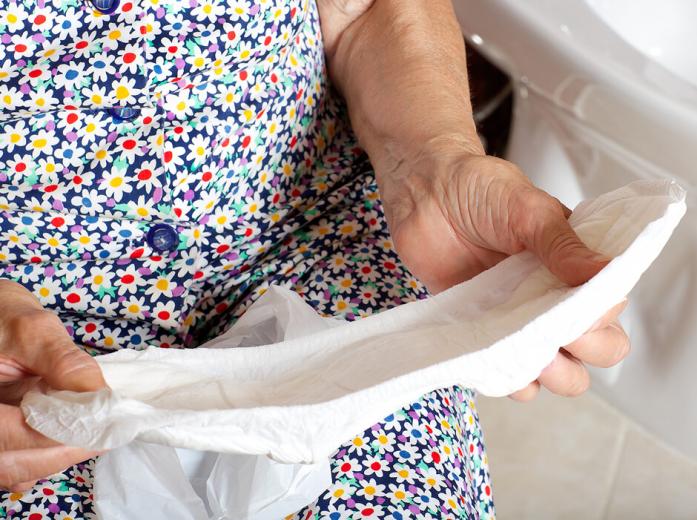
    The most popular incontinence products are absorbent pads that are worn inside underwear to soak up urine.

    Pads and pull-up pants use the same technology as babies’ nappies and have a “hydrophobic” layer which draws urine away from the surface of the product, so your skin stays dry.

    If you have mild to moderate incontinence you can buy thin, discreet pads or pull-up pants for men and women from many supermarkets and pharmacies.

    For people with severe leaks, continence clinics and district nurses can supply incontinence pads on the NHS, but these tend to be big and bulky.

    “I would not recommend that people with urinary incontinence use pads without advice from a doctor or continence adviser,” says Karen Logan, consultant continence nurse at Gwent Healthcare NHS Trust.

    “But as a temporary measure, they can really improve your quality of life and save you from being housebound or spending all your time in the toilet.”

    Avoid sanitary pads for incontinence

    “Many women use sanitary pads instead of incontinence pads because they’re cheaper, but they do not have the same technology. They stay damp and they can make your skin sore,” says Logan.

    “I recommend paying the extra for incontinence pads as they’re much more effective and comfortable.”

    Using tampons for stress incontinence

    Placing a tampon in your vagina puts pressure on the neck of your bladder to stop leaks on exertion. However, do not regularly use super-size tampons to prevent sudden leaks if you have stress incontinence.

    The National Institute for Health and Care Excellence (NICE) does not recommend using tampons for the routine management of urinary incontinence in women.

    However, tampons can be used occasionally, when necessary, to prevent leaks. For example, during exercise.

    Appliances and bedding

    Other useful incontinence products for more severe leaks include urinals (devices that collect urine), or sheaths and drainage systems (if you have a penis).

    A variety of incontinence bedding is also available, such as washable bed pads that sit on top of the mattress and soak up any overnight leaks. The pads stay dry to the touch and they can be useful for trips away from home.

    Can I get incontinence products on the NHS?

    You may be able to get incontinence products on the NHS depending on your local clinical commissioning group. To qualify for NHS products you may need to be assessed by a healthcare professional.

  • HIV Testing Kit

    HIV Testing Kit

    WHAT IS HIV?

    HIV stands for Human Immunodeficiency Virus. If not treated, this virus can lead to Acquired Immunodeficiency Syndrome or AIDS. This virus attacks the body’s immune system – specifically your CD4 cells or T-cells which help you fight off infections.

    With your immune system compromised, you become more susceptible to other infections and infection-related cancers. Over time, HIV can destroy most of your T-Cells to the point where your body can no longer fight infections and diseases. When this happens, opportunistic infections set in, resulting in AIDS.

    3 STAGES OF HIV

    People who don’t receive HIV treatment go through 3 stages:

    Stage 1: Acute HIV Infection

    Symptoms begin as a flu-like illness that occur within 4 weeks of infection. This can last for a few weeks. During this stage, people infected with HIV are very contagious. Unfortunately, most of those infected are not aware because they may not feel severely sick. An antigen test or nucleic acid (NAT) test is necessary to know if you are infected with HIV or not.

    State 2: HIV Dormancy

    This stage is often referred to as chronic HIV infection or asymptomatic HIV infection. During this phase, HIV becomes dormant or inactive and reproduces very slowly. Usually, this stage doesn’t have any symptoms.

    You can be in this stage of the infection for decades or even longer. Although, there are cases where some people progress through this phase fast. If you are taking HIV treatment, the dormancy stage can last for several decades.

    During this phase, you can still transmit the virus to other people. However, there are HIV treatments that can keep you virally suppressed so you don’t end up transmitting HIV to your sexual partners.

    After dormancy, the virus multiplies rapidly again and symptoms start to show up.

    Stage 3: Acquired Immunodeficiency Syndrome (AIDS)

    This is the most severe and final stage of an HIV infection. Because your immune system is badly compromised, you become more likely to fall victim of severe, opportunistic illnesses like:

    • Tuberculosis
    • Pneumonia
    • Cancer
    • Lymphoma
    • Toxoplasmosis (a brain infection caused by a parasite)
    • Cytomegalovirus (a type of herpes)
    • Cryptococcal meningitis (a fungal infection of the brain)

    AIDS-related deaths are not caused by the virus itself. Rather, it’s due to the complication of illnesses caused by a severely weakened immune system. People with AIDS will survive for about 3 years and tend to be very contagious.

    WHAT ARE THE CAUSES OF HIV?

    Scientists believe that HIV appeared as early as the 1920s. HIV is a mutation of the Simian Immunodeficiency Virus (SIV) that infects African chimpanzees. The virus entered the human population when people ate infected chimpanzee meat. SIV then mutated into what’s now known as HIV.

    For several decades, HIV spread throughout Africa until it found its way to the other parts of the world. It was in 1959 when scientists first discovered HIV in human blood.

    WHAT ARE THE SYMPTOMS OF HIV?

    HIV can be very tricky to diagnose without professional help. During its dormancy stage which could last for decades, you may not have any symptoms at all. And if you do have symptoms, they’ll most likely be non-specific, meaning they won’t point to a particular disease.

    Below are some examples of these non-specific symptoms:

    • Shingles
    • Headaches
    • Pneumonia
    • Recurring fevers
    • Recurring oral or vaginal yeast infections
    • Night sweats
    • Skin rashes (often characterised by many flat, raised, small red lesions)
    • Nausea
    • Weight loss
    • Diarrhoea
    • Vomiting

    As you can see, these HIV symptoms can point to one disease or another. If you are feeling one or two of these symptoms and you think you’ve been exposed to HIV, get yourself tested.

    WHERE CAN I DO A HIV TEST?

    The simplest way to test for HIV is through using HIV testing kits, as you will get your results within minutes. These kits are available to be delivered discreetly through Express Pharmacy and our BioSure HIV Testing Kit is proven to be 99.7% accurate in testing for HIV.

    High-risk groups, in particular, are advised to get tested for HIV regularly. These groups include:

    • Men who have sex with men – get tested every 3 months if you are having unprotected sex with multiple partners.
    • African men and women – get a HIV test and a regular STI and HIV screen if you are engaging in unprotected sex with multiple partners.
    • People who share syringes and needles

    Sharing your HIV status is not a mandatory requirement, as living with HIV may take time getting used to. However, you and your recent sexual partners must be tested if you have suspicions or a diagnosis.

    IS THERE A CURE FOR HIV?

    Unfortunately, there is currently no cure for HIV. The most effective method we have right now against HIV is antiretroviral treatment. This type of HIV treatment doesn’t eliminate the virus, but it does help to control the growth of HIV, allowing you to live a happy and healthy life.

    HOW CAN I PROTECT MYSELF FROM HIV?

    Public Health England (PHE) reports that 95% of people diagnosed with HIV have been infected via sexual contact. Using a condom is the main and most effective method of protection. This means using a condom for all types of sexual intercourse, including vaginal, anal and oral sexual activities.

    Another way to protect yourself from HIV is to ensure that you are not sharing needles, syringes or other injecting equipment. This will prevent cross-contamination of bodily fluids.

    WARWICK PHARMACY IS HERE TO HELP

    Understanding HIV and understanding the symptoms can be a daunting process. At Warwick Pharmacy, we want to help you feel confident in your test results and seek professional help, should you require it.

  • Healthy Lifestyle Advice

    Healthy Lifestyle Advice

    Living a healthy lifestyle is important for everyone, so Warwick Pharmacy want to ensure that everyone is given the opportunity to get the advice they need to make any necessary changes to their lifestyle in order to achieve better health.

    The pharmacist is available to provide healthy lifestyle advice, as well as our professionally trained pharmacy team. The advice which can be offered includes:

    • general lifestyle advice
    • helping to stop smoking
    • advising healthy eating
    • specific advice for a particular medical condition.

    To find out what you have do to improve the health of your lifestyle, come in-store today and ask to speak with the pharmacist.

  • Headaches

    Headaches

    Most headaches will go away on their own and are not a sign of something more serious.

    How you can ease headaches yourself

    Headaches can last between 30 minutes and several hours.

    Do

    • drink plenty of water
    • get plenty of rest if you have a cold or the flu
    • try to relax – stress can make headaches worse
    • exercise when you can
    • take paracetamol or ibuprofen

    Don’t

    • do not drink alcohol
    • do not skip meals (even if you might not feel like eating anything)
    • do not sleep more than you usually would – it can make the headache worse
    • do not strain your eyes for a long time – for example, by looking at a screen

    See a GP if:

    • your headache keeps coming back
    • painkillers do not help and your headache gets worse
    • you have a bad throbbing pain at the front or side of your head – this could be a migraine or, more rarely, a cluster headache
    • you feel sick, vomit and find light or noise painful
    • you get other symptoms – for example, your arms or legs feel numb or weak

    Call 999 or go to A&E if:

    • you injured your head badly – for example, from a fall or accident
    • the headache came on suddenly and is extremely painful

    You have an extremely painful headache and:

    • sudden problems speaking or remembering things
    • loss of vision
    • you’re feeling drowsy or confused
    • you have a very high temperature, feel hot and shivery, and have a stiff neck or a rash
    • the white part of your eye is red

    What can cause headaches

    The most common reasons are:

    • having a cold or the flu
    • stress
    • drinking too much alcohol
    • bad posture
    • eyesight problems
    • not eating regular meals
    • not drinking enough fluids (dehydration)
    • taking too many painkillers
  • Head Lice and Nits

    Head Lice and Nits

    Head lice and nits are very common in young children and their families. They do not have anything to do with dirty hair and are picked up by head-to-head contact.

    Check if it’s head lice

    Head lice are small insects, up to 3mm long.

    They can be difficult to spot in your hair.

    Head lice eggs (nits) are brown or white (empty shells) and attached to the hair.

    Head lice can make your head feel:

    • itchy
    • like something is moving in your hair

    The only way to be sure someone has head lice is by finding live lice.

    You can do this by combing their hair with a special fine-toothed comb (detection comb). You can buy these online or at pharmacies.

    How to get rid of head lice

    Important

    You can treat head lice without seeing a GP.

    Treat head lice as soon as you spot them.

    You should check everyone in the house and start treating anyone who has head lice on the same day.

    There’s no need to keep your child off school if they have head lice.

    Wet combing

    Lice and nits can be removed by wet combing. You should try this method first.

    You can buy a special fine-toothed comb (detection comb) online or from pharmacies to remove head lice and nits.

    There may be instructions on the pack, but usually you:

    • wash hair with ordinary shampoo
    • apply lots of conditioner (any conditioner will do)
    • comb the whole head of hair, from the roots to the ends

    It usually takes about 10 minutes to comb short hair, and 20 to 30 minutes for long, frizzy or curly hair.

    Do wet combing on days 1, 5, 9 and 13 to catch any newly hatched head lice. Check again that everyone’s hair is free of lice on day 17.

    Medicated lotions and sprays

    Ask a pharmacist for advice if you have tried wet combing for 17 days, but your child still has live head lice.

    They may recommend using medicated lotions and sprays. These kill head lice in all types of hair, and you can buy them from pharmacies, supermarkets or online.

    Head lice should die within a day. Some lotions and sprays come with a comb to remove dead lice and eggs.

    Some treatments need to be repeated after a week to kill any newly hatched lice.

    Check the pack to see if they’re OK for you or your child and how to use them.

    If lotions or sprays do not work, speak to a pharmacist about other treatments.

    Some treatments are not recommended because they’re unlikely to work.

    For example:

    • products containing permethrin
    • head lice “repellents”
    • electric combs for head lice
    • tree and plant oil treatments, such as tea tree oil, eucalyptus oil and lavender oil herbal remedies

    Information:

    The charity Community Health Concern has a video about wet combing for head lice.

    You cannot prevent head lice

    There’s nothing you can do to prevent head lice.

    You can help stop them spreading by wet or dry combing regularly to catch them early.

    Do not use medicated lotions and sprays to prevent head lice. They can irritate the scalp.

    There’s no need for children to stay off school or to wash laundry on a hot wash.

  • Hay Fever Relief

    Hay Fever Relief

    WHAT IS HAY FEVER?

    Hay fever is the most common seasonal non-infectious allergy in the UK, affecting between up to 30% of all adults and nearly 40% of children.(https://waojournal.biomedcentral.com/articles/10.1186/1939-4551-7-12) The Met Office have recently reported that 1 in 5 of the UK population will suffer from hay fever symptoms in 2019.

    Clinically referred to as Seasonal Allergic Rhinitis, Hay fever is an allergy that is caused by different types of pollen grains that are spread during a particular season. The symptoms of hay fever occur wherever there is a sensitivity to pollen, triggering the release of histamines which creates an inflammatory response to protect the endangered area.

    Unlike certain allergies to fur or certain materials, hay fever isn’t usually prevalent throughout the year and is dependent on the pollen count in the air, and the underlying weather conditions. In the UK this is usually from March, all the way through to October. The dawn of Spring usually brings the most dense spread of pollen (or peak release period), given the arrival of fresh grass, new plants and flowers being pollinated.

    In the UK this is usually from March, all the way through to October, however, moderate pollen release can be active from late January. The dawn of Spring usually brings the most dense spread of pollen, given the arrival of fresh grass, new plants and flowers being pollinated.

    There are three main phases during the pollen season in the UK, with the peak release period for each spread being different. During each phase, different types of pollen will be released from plants, trees and weeds:

    • Tree Pollen: This phase begins its peak release in February and constitutes the most types of pollen from different types of trees like Hazel, Alder and Willow. It lasts until June thanks to Lime and Pine tree pollen, overlapping with the other two phases. PEAK POLLEN RELEASE – March to May
    • Grass Pollen: Typically the longest lasting phase, occurring anywhere between April and September. PEAK POLLEN RELEASE – May to July
    • Weed Pollen: Much like the grass pollen phase, weeds like oilseed rape and nettle release their pollen between April and September, with their peak release period being during the summer months, hence overlapping with the other two phases. PEAK POLLEN RELEASE – July to September

    WHAT ARE THE SYMPTOMS OF HAY FEVER?

    The rise in pollen activity has a direct impact on hay fever sufferers, causing typical allergic reaction symptoms like sneezing, red and itchy eyes, coughing and fatigue. Recent years have seen new types of pollen in the air, thereby creating new hay fever sufferers (who may have never experienced it before) and exacerbating the symptoms of pre-existing sufferers.

    WHAT IS THE CAUSE OF HAY FEVER?

    Hay fever is triggered by the spread of allergens, specifically pollen, during the early stages of Spring all the way through to the end of Autumn.

    When an allergen like pollen comes into contact with someone who is either intolerant to pollen or allergic to it, your immune system will recognise it as a potential threat and react naturally to protect you against it.

    If your immune system develops a sensitivity to pollen, it will be reacted by producing specific antibodies called immunoglobulin E (IgE). Whenever you come into contact with pollen by way of your throat, eyes or nose, these antibodies will cause cells in your body to release a chemical called Histamine. Ordinarily, the histamine from these cells would come into play in order to fight infection. Due to the increased presence of allergens, the cells recognise the risk and become overly sensitive. The subsequent release of Histamine is what causes the typical symptoms of an allergic reaction like hay fever such as sneezing, a blocked or runny nose or itchy eyes.

    WHO IS AT RISK OF HAY FEVER?

    Hay fever can affect anyone at any stage of their life and it is not yet fully understood why certain individuals develop sensitivity to allergens such as pollen.

    It is widely accepted that your environment will affect your susceptibility to developing allergies, with a number of studies showing the link between allergies and growing up in dusty, smoke-filled environments.

    Studies have also shown that if you have a history of allergies in your family, you may be more susceptible to suffer from hay fever at some stage.

    If there is a history of allergic sensitivity in your family, it is clinically referred to as “atopy.” People who have atopy will have a genetic predisposition to develop allergic conditions like hay fever. This is due to the heightened immune response in your body when reacting to allergens such as pollen, resulting in an above normal production of antibodies (IgE).

    HOW DO I TREAT HAY FEVER?

    Sufferers of hay fever are largely at the mercy of environmental and seasonal conditions that are out of our control. For those of us who suffer from the symptoms during hay fever season, we are at the mercy of the dreaded UK pollen count, especially if our jobs or lifestyle require us to spend to time outside in nature. Avoiding the allergens during these months can be almost impossible. The symptoms and their severity can vary from person to person. In particularly bad cases, hay fever can make everyday life very difficult, with endless bouts of sneezing, itchy eyes and fatigue.

    Fortunately, there are a number of different types of prescription hay fever treatments options available that can help to alleviate the discomfort and allow you to function normally.

    ANTIHISTAMINE TABLETS

    How do antihistamines work?

    Antihistamines function by preventing the inflammatory response caused by sensitivity to pollen and the subsequent release of histamines. They are fast-acting (effective within 30 minutes) and in the case of certain medications can be taken in anticipation of hay fever season.

    NASAL SPRAYS

    EYE DROPS

    HOW CAN I PREVENT HAY FEVER?

    During hay fever season in the UK (between late February and late October) or whenever the pollen count is unusually high, it can be very difficult to avoid exposure to allergens, pollen or dust.

    For many people that suffer from hay fever, it can be difficult to lead a normal life without being exposed to pollen. In the majority of cases, medication is the most efficient recourse. That being said, there are still a number of precautionary measures that you can take in order to mitigate the debilitating effects of hay fever:

    • Wear sunglasses during the day to protect your eyes from pollen
    • Keep an antipollution face mask with you
    • Try to keep windows closed at home or in the car if you’re travelling
    • Try to avoid gardening activities
    • Monitor the regional UK pollen count
    • Invest in a high quality air purifier for use at home, preferably one with a replaceable carbon filter. This can remove impurities, dust and pollen from your home.
    • Reduce your alcohol intake. Nearly 95% of hay fever sufferers are allergic to grass pollen and alcoholic drinks contain histamines!
  • Hair Loss

    Hair Loss

    Losing your hair isn’t usually anything to be worried about, but it can be upsetting. Treatment may help with some types of hair loss.

    Causes of hair loss

    It’s normal to lose hair. We can lose between 50 and 100 hairs a day, often without noticing.

    Hair loss isn’t usually anything to be worried about, but occasionally it can be a sign of a medical condition.

    Some types of hair loss are permanent, like male and female pattern baldness. This type of hair loss usually runs in the family.

    Other types of hair loss may be temporary. They can be caused by:

    • an illness
    • stress
    • cancer treatment
    • weight loss
    • iron deficiency

    Non-urgent advice:

    See a GP if:

    • you have sudden hair loss
    • you develop bald patches
    • you’re losing hair in clumps
    • your head also itches and burns
    • you’re worried about your hair loss

    Information:

    Coronavirus update: how to contact a GP

    It’s still important to get help from a GP if you need it. To contact your GP surgery:

    • visit their website
    • use the NHS App
    • call them

    Find out how to get medical help from home.

    What happens at your appointment

    Your GP should be able to tell you what’s causing your hair loss by looking at your hair.

    Tell your GP if your hair loss is affecting your wellbeing, and ask what treatments are available.

    Important

    See your GP first to get a clear and accurate idea of what’s causing your hair loss before thinking about going to a commercial hair clinic, which can be expensive.

    Treatment for hair loss

    Most hair loss doesn’t need treatment and is either:

    • temporary and it’ll grow back
    • a normal part of getting older

    Hair loss caused by a medical condition usually stops or grows back once you have recovered.

    There are things you can try if your hair loss is causing you distress. But most treatments aren’t available on the NHS, so you’ll have to pay for them.

    No treatment is 100% effective.

    Finasteride and minoxidil

    Finasteride and minoxidil are the main treatments for male pattern baldness.

    Minoxidil can also be used to treat female pattern baldness. Women shouldn’t use finasteride.

    These treatments:

    • don’t work for everyone
    • only work for as long as they’re used
    • aren’t available on the NHS
    • can be expensive

    Wigs

    Some wigs are available on the NHS, but you may have to pay unless you qualify for financial help.

    Synthetic wigs:

    • last 6 to 9 months
    • are easier to look after than real-hair wigs
    • can be itchy and hot
    • cost less than real-hair wigs

    Real-hair wigs:

    • last 3 to 4 years
    • are harder to look after than synthetic wigs
    • look more natural than synthetic wigs
    • cost more than synthetic wigs

    Find out more about NHS wigs and costs

    Other hair loss treatments

    Treatment

    Description

    Steroid injection

    injections given into bald patches

    Steroid creams

    cream applied to bald patches

    Immunotherapy

    chemical applied to bald patches

    Light treatment

    shining ultraviolet light on bald patches

    Tattooing

    tattoo used to look like short hair and eyebrows

    Hair transplant

    hair cells are moved to thinning patches

    Scalp reduction surgery

    sections of scalp with hair are stretched and stitched together

    Artificial hair transplant

    surgery to implant artificial hairs

    Some of these treatments may not be available on the NHS.

    Find out more about cancer and hair loss

    Emotional help

    Losing hair can be upsetting. For many people, hair is an important part of who they are.

    If your hair loss is causing you distress, your GP may be able to help you get some counselling.

    You may also benefit from joining a support group, or speaking to other people in the same situation on online forums.

    Try these online support groups:

  • Gum Disease

    Gum Disease

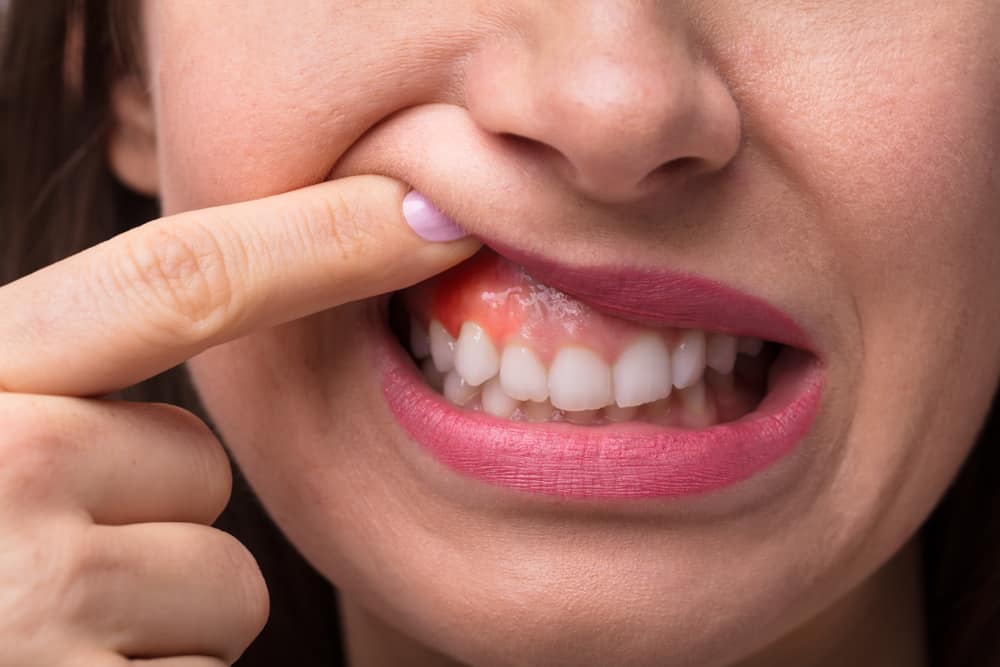
    Gum disease is a very common condition where the gums become swollen, sore or infected.

    Most adults in the UK have gum disease to some degree, and most people experience it at least once. It’s much less common in children.

    If you have gum disease, your gums may bleed when you brush your teeth and you may have bad breath. This early stage of gum disease is known as gingivitis.

    If gingivitis is not treated, a condition called periodontitis can develop. This affects the tissues that support teeth and hold them in place.

    If periodontitis is not treated, the bone in your jaw may be damaged and small spaces can open up between the gum and teeth. 

    Your teeth can become loose and may eventually fall out.

    What causes gum disease?

    Gum disease is caused by a build-up of plaque on the teeth. Plaque is a sticky substance that contains bacteria.

    Some bacteria in plaque are harmless, but some are harmful for the health of your gums.

    If you do not remove plaque from your teeth by brushing them, it builds up and irritates your gums.

    This can lead to redness with bleeding, swelling and soreness.

    Seeing your dentist

    You should make an appointment to see your dentist if your gums are painful, swollen, or bleed when you brush your teeth.

    Your dentist can carry out a thorough dental examination to check the health of your gums, which may involve inserting a thin metal stick with a bend in 1 end (periodontal probe) beside your teeth.

    In some cases, a number of X-rays may be needed to check the condition of your teeth and jaw bone.

    Preventing and treating gum disease

    Mild cases of gum disease can usually be treated by maintaining a good level of oral hygiene.

    This includes brushing your teeth at least twice a day and flossing regularly.

    You should also make sure you go for regular dental check-ups.

    In most cases, your dentist or dental hygienist will be able to give your teeth a thorough clean and remove any hardened plaque (tartar).

    They’ll also be able to show you how to clean your teeth effectively to help prevent plaque building up in the future.

    If you have severe gum disease, you’ll usually need to have further medical and dental treatment.

    In some cases, surgery may need to be carried out. This will usually be performed by a specialist in gum problems (periodontics).

    Dental check-ups

    It’s important to have regular dental check-ups so any problems with your teeth and gums can be detected and treated early.

    If you have never had gum disease and have good oral health, you may only need to visit your dentist every 1 to 2 years for a check-up.

    You may need to visit your dentist more frequently if you have had problems with gum disease in the past.

    At each appointment your dentist will advise when you need your next appointment.

    If you have an increased risk of developing gum problems (for example, you smoke or have diabetes), you may be advised to visit your dentist more often so your teeth and gums can be closely monitored.

    Complications of gum disease

    If you have untreated gum disease that develops into periodontitis, it can lead to further complications.

    These include:

    • painful collections of pus (gum abscesses)
    • receding gums
    • loose teeth
    • loss of teeth

    NHS dentists

    Everyone should be able to access good-quality NHS dental services. There’s no need to register with a dentist.

    Simply find a practice that’s convenient for you, whether it’s near home or work, and phone to see if any appointments are available.

    Healthy gums should be pink, firm and keep your teeth securely in place. Your gums should not bleed when you touch or brush them.

    Gum disease is not always painful and you may be unaware you have it.

    It’s important to have regular dental check-ups.

    Early symptoms of gum disease

    Gum disease is not always painful and you may be unaware you have it.

    The initial symptoms of gum disease can include:

    • red and swollen gums
    • bleeding gums after brushing or flossing your teeth

    This stage of gum disease is called gingivitis.

    Advanced symptoms

    If gingivitis is untreated, the tissues and bone that support the teeth can also become affected. This is known as periodontitis, or periodontal disease.

    Symptoms of periodontitis can include:

    • bad breath (halitosis)
    • an unpleasant taste in your mouth
    • loose teeth that can make eating difficult
    • collections of pus that develop under your gums or teeth (gum abscesses)

    Acute necrotising ulcerative gingivitis

    In rare cases, a condition called acute necrotising ulcerative gingivitis (ANUG) can develop suddenly.

    The symptoms of ANUG are usually more severe than those of gum disease and can include:

    • bleeding, painful gums
    • painful ulcers
    • receding gums in between your teeth
    • bad breath
    • a metallic taste in your mouth
    • excess saliva in your mouth
    • difficulty swallowing or talking
    • a high temperature (fever)

    When to see a dentist

    You should make an appointment to see your dentist if you think you may have gum disease or ANUG.

    Gum disease can be caused by a number of factors, but poor oral hygiene is the most common cause.

    Poor oral hygiene, such as not brushing your teeth properly or regularly, can cause plaque to build up on your teeth.

    Plaque

    Your mouth is full of bacteria that combine with saliva to form a sticky film known as plaque, which builds up on your teeth.

    When you consume food and drink high in carbohydrates (sugary or starchy foods), bacteria in plaque turn carbohydrates into the energy they need, producing acid at the same time.

    Over time, acid in plaque begins to break down your tooth’s surface and causes tooth decay.

    Other bacteria in plaque can also irritate your gums, making them inflamed and sore.

    Plaque is usually easy to remove by brushing and flossing your teeth, but it can harden and form a substance called tartar if it’s not removed. 

    Tartar sticks much more firmly to teeth than plaque and can usually only be removed by a dentist or dental hygienist.

    Who’s most at risk?

    As well as poor oral hygiene, a number of things can increase your risk of developing problems with your gums.

    These include:

    • smoking 
    • your age – gum disease becomes more common as you get older
    • diabetes – a lifelong condition that causes a person’s blood sugar levels to become too high
    • pregnancy – hormonal changes can make gums more vulnerable to plaque
    • a weakened immune system – for example, because of conditions like HIV and AIDS or certain treatments, such as chemotherapy
    • malnutrition – a condition that occurs when a person’s diet does not contain the right amount of nutrients
    • stress

    You may also be more likely to have gum disease if you’re taking medicines that cause a dry mouth. These medicines include antidepressants and antihistamines.

    The best way to treat gum disease is to practise good oral hygiene, although additional dental and medical treatments are sometimes necessary.

    Oral hygiene

    Good oral hygiene involves:

    • brushing your teeth for about 2 minutes last thing at night before you go to bed and on 1 other occasion every day – it does not matter if you use an electric or manual toothbrush, but some people find it easier to clean their teeth thoroughly with an electric toothbrush
    • using toothpaste that contains the right amount of fluoride, a natural mineral that helps protect against tooth decay
    • flossing your teeth or using interdental brushes regularly – preferably daily, before brushing your teeth
    • not smoking
    • regularly visiting your dentist – at least once every 1 to 2 years, but more frequently if necessary

    See the teeth cleaning guide for more information and advice about how to keep your teeth clean.

    Mouthwash

    Antiseptic mouthwashes containing chlorhexidine or hexetidine are available over the counter from pharmacies.

    But there’s some debate about whether using mouthwash is necessary for people with healthy gums.

    Mouthwashes cannot remove existing plaque. Only regular toothbrushing and flossing can do this.

    Your dentist may recommend using mouthwash if it helps control the build-up of plaque, the sticky substance that forms when bacteria collects on the surface of your teeth.

    Your dentist will be able to advise you about which type of mouthwash is most suitable and how to use it.

    Chlorhexidine mouthwash can stain your teeth brown if you use it regularly.

    Rinse your mouth thoroughly between brushing your teeth and using a chlorhexidine mouthwash as some ingredients in toothpaste can prevent the mouthwash working.  

    You should not use a chlorhexidine mouthwash for longer than 4 weeks.

    Dental treatments

    Some of the dental treatments described here may also be recommended if you have gum disease.

    Scale and polish

    To remove plaque and tartar (hardened plaque) that can build up on your teeth, your dentist may suggest that you have your teeth scaled and polished.

    This is a “professional clean” usually carried out at your dental surgery by a dental hygienist.

    The dental hygienist will scrape away plaque and tartar from your teeth using special instruments, then polish your teeth to remove marks or stains.

    If a lot of plaque or tartar has built up, you may need to have more than 1 scale and polish.

    The price of a scale and polish can vary depending on what needs to be carried out, so ask your dental hygienist how much it’ll cost beforehand.

    Find out more about NHS dental charges

    Root planing

    In some cases of gum disease, root planing (debridement) may be required.

    This is a deep clean under the gums that gets rid of bacteria from the roots of your teeth.

    Before having the treatment, you may need to have a local anaesthetic (painkilling medication) to numb the area.

    You may experience some pain and discomfort for up to 48 hours after having root planing.

    Further treatment

    If you have severe gum disease, you may need further treatment, such as periodontal surgery.

    In some cases, it’s necessary to remove the affected tooth.

    Your dentist will be able to tell you about the procedure needed and how it’s carried out. If necessary, they can refer you to a specialist.

    If you’re having surgery or root planing, you may be given antibiotics (medication to treat infections). Your dentist will tell you whether this is necessary.

    Acute necrotising ulcerative gingivitis

    Acute necrotising ulcerative gingivitis (ANUG) should always be treated by a dentist.

    But if you see your GP before visiting a dentist, they may provide you with some treatment while you wait to see your dentist.

    As well as the oral hygiene advice and dental treatments mentioned above, treatments for ANUG may also include antibiotics, painkillers and different types of mouthwash.

    Antibiotics 

    Treatment with antibiotics, such as metronidazole or amoxicillin, may be recommended if you have ANUG. You’ll usually have to take these for 3 days.

    Amoxicillin is not suitable for people allergic to penicillin.

    Metronidazole can react with alcohol, causing you to feel very unwell. You should not drink alcohol while you’re taking metronidazole and for 48 hours after you finish the course of treatment.

    Other side effects of metronidazole and amoxicillin can include feeling sick, vomiting and diarrhoea.

    Painkillers

    Paracetamol and ibuprofen are the most commonly prescribed painkillers. 

    They’re also available over the counter from pharmacies. They may help reduce pain and discomfort.

    But paracetamol and ibuprofen are not suitable for everyone, so read the manufacturer’s instructions before taking them.

    Mouthwash

    Mouthwash containing chlorhexidine or hydrogen peroxide may be prescribed to treat ANUG.

    Some chlorhexidine mouthwashes are also available over the counter, though they may not be as effective as a hydrogen peroxide mouthwash.

    You should always read the instructions before using mouthwash. Some types may need to be diluted in water before they’re used.

    Stopping smoking

    Smoking is one of the most significant risk factors for gum disease.

    Giving up smoking can greatly improve your oral hygiene.

    If you need help or advice about giving up smoking, call the free NHS Smokefree National Helpline on 0300 123 1044.

    Your GP can give you information and advice about giving up smoking. You can also visit NHS Smokefree.
  • Gonorrhoea

    Gonorrhoea is a sexually transmitted infection (STI) caused by bacteria called Neisseria gonorrhoeae or gonococcus. It used to be known as “the clap”.

    How gonorrhoea is spread

    The bacteria that cause gonorrhoea are mainly found in discharge from the penis and in vaginal fluid.

    Gonorrhoea is easily passed between people through:

    • unprotected vaginal, oral or anal sex
    • sharing vibrators or other sex toys that have not been washed or covered with a new condom each time they’re used

    The bacteria can infect the entrance to the womb (cervix), the tube that passes urine out of the body (urethra), the rectum and, less commonly, the throat or eyes.

    The infection can also be passed from a pregnant woman to her baby. If you’re pregnant and may have gonorrhoea, it’s important to get tested and treated before your baby is born.

    Without treatment, gonorrhoea can cause permanent blindness in a newborn baby.

    Gonorrhoea is not spread by kissing, hugging, swimming pools, toilet seats or sharing baths, towels, cups, plates or cutlery. The bacteria cannot survive outside the human body for long.

    Symptoms of gonorrhoea

    Typical symptoms of gonorrhoea include a thick green or yellow discharge from the vagina or penis, pain when peeing and, in women, bleeding between periods.

    But around 1 in 10 infected men and almost half of infected women do not experience any symptoms.

    Getting tested

    If you have any of the symptoms of gonorrhoea or you’re worried you may have an STI, you should visit a sexual health clinic for a sexual health test.

    Find a sexual health clinic.

    You can also contact the FPA sexual health helpline on 0345 122 8687.

    Gonorrhoea can be easily diagnosed by testing a sample of discharge picked up using a swab. In men, testing a sample of urine can also diagnose the condition.

    It’s important to get tested as soon as possible because gonorrhoea can lead to more serious long-term health problems if it’s not treated, including pelvic inflammatory disease (PID) in women or infertility.

    Read more about:

    • diagnosing gonorrhoea 
    • possible complications of gonorrhoea
    • visiting an STI clinic

    Treating gonorrhoea

    Gonorrhoea is usually treated with a single antibiotic injection and a single antibiotic tablet. With effective treatment, most of your symptoms should improve within a few days.

    It’s usually recommended you attend a follow-up appointment a week or 2 after treatment so another test can be carried out to see if you’re clear of infection.

    You should avoid having sex until you have been told you no longer have the infection.

    Previous successful treatment for gonorrhoea does not make you immune to catching it again.

    Who’s affected

    Anyone who’s sexually active can catch gonorrhoea, particularly people who change partners frequently or do not use a barrier method of contraception, such as a condom, when having sex.

    Gonorrhoea is the second most common bacterial STI in the UK after chlamydia.

    In 2017, more than 44,500 people were diagnosed with gonorrhoea in England, with most cases affecting young men and women under the age of 25.

    Preventing gonorrhoea

    Gonorrhoea and other STIs can be successfully prevented by using appropriate contraception and taking other precautions, such as:

    • using male condoms or female condoms every time you have vaginal sex, or male condoms during anal sex
    • using a condom to cover the penis or a latex or plastic square (dam) to cover the female genitals if you have oral sex
    • not sharing sex toys, or washing them and covering them with a new condom before anyone else uses them

    If you’re worried you may have an STI, visit a sexual health clinic for advice.

    Gonorrhoea is usually treated with a short course of antibiotics.

    Antibiotics are usually recommended if:

    • tests have shown you have gonorrhoea
    • there’s a high chance you have gonorrhoea, even though your test results have not come back yet
    • your partner has been diagnosed with gonorrhoea

    In most cases, treatment involves having an antibiotic injection (usually in the buttocks or thigh) followed by 1 antibiotic tablet. It’s sometimes possible to have another antibiotic tablet instead of an injection, if you prefer.

    If you have any symptoms of gonorrhoea, these will usually improve within a few days, although it may take up to 2 weeks for any pain in your pelvis or testicles to disappear completely.

    Bleeding between periods or heavy periods should improve by the time of your next period.

    Attending a follow-up appointment a week or two after treatment is usually recommended, so another test can be carried out to see if you’re clear of infection.

    You should avoid having sex until you, and your partner, have been treated and given the all-clear, to prevent re-infection or passing the infection on to anyone else.

    If your symptoms do not improve after treatment or you think you’ve been infected again, see your doctor or nurse. You may need repeat treatment or further tests to check for other problems.

    Sexual partners

    Gonorrhoea is easily passed on through intimate sexual contact. If you’re diagnosed with it, anyone you’ve recently had sex with may have it too.

    It’s important that your current partner and any other recent sexual partners are tested and treated.

    Your local genitourinary medicine (GUM) or sexual health clinic may be able to help by notifying any of your previous partners on your behalf.

    A contact slip can be sent to them explaining that they may have been exposed to a sexually transmitted infection (STI) and suggesting they go for a check-up. The slip will not have your name on it, so your confidentiality is protected.

    Treating babies with gonorrhoea

    Babies with signs of a gonorrhoea infection at birth, or who have an increased risk of infection because their mother has gonorrhoea, will usually be given antibiotics immediately after they’re born.

    This does not harm the baby, and helps prevent blindness and other complications of gonorrhoea.