Blog

  • Decongestants

    Decongestants

    Decongestants are a type of medicine that can provide short-term relief for a blocked or stuffy nose (nasal congestion).

    They can help ease the symptoms of conditions such as colds and flu, hay fever and other allergic reactions, catarrh and sinusitis.

    They work by reducing the swelling of the blood vessels in your nose, which helps to open the airways.

    Types of decongestants

    Decongestants are available as:

    • nasal sprays
    • drops
    • tablets or capsules
    • liquids or syrups
    • flavoured powders to dissolve in hot water

    Some products may just contain decongestant medicine, but many are sold as “all-in-1” remedies that contain decongestants, painkillers or antihistamines.

    Most decongestants can be bought over the counter from pharmacies without a prescription.

    Who can take decongestants

    Most people can use decongestants safely, but they’re not suitable for everyone.

    They should not be used by the following groups of people without getting advice from a pharmacist or GP first:

    • people taking other medicines
    • people with diabetes
    • people with high blood pressure
    • people with an overactive thyroid gland (hyperthyroidism)
    • men with an enlarged prostate
    • people with liver, kidney, heart or circulation problems
    • people with increased pressure in the eye glaucoma

    Babies and children

    Decongestants should not be given to children under 6.

    Children aged 6 to 12 should take them for no longer than 5 days. Ask a pharmacist for advice about this.

    Pregnant and breastfeeding women

    It’s not clear whether it’s safe to take any type of decongestant if you’re pregnant, so you should only use them if told to by a healthcare professional.

    Decongestants that come as tablets, liquids or powders that you swallow are not recommended if you’re breastfeeding.

    Some decongestants that come as nose sprays or drops are safe to use if you’re breastfeeding, but check with a pharmacist or GP first before using them.

    The patient information leaflet that comes with your medicine will say who should not use it and who should get advice before using it.

    How to use decongestants

    Most decongestants should only be used between 1 and 4 times a day.

    Check the patient information leaflet that comes with your medicine for advice about how much to take and how often to take it.

    If you’re not sure, ask a pharmacist for advice.

    Decongestant nasal sprays and drops should not be used for more than a week at a time because using them for too long can make your stuffiness worse.

    Speak to a GP if your symptoms do not improve after this time.

    Side effects of decongestants

    Decongestant medicines do not usually have side effects, and any side effects you may experience are usually mild.

    Possible side effects can include:

    • feeling sleepy (look for non-drowsy medicines)
    • irritation of the lining of your nose
    • headaches
    • feeling or being sick
    • a dry mouth
    • feeling restless or agitated
    • a rash

    These side effects should go away once you stop taking the medicine.

    More serious side effects can also happen, such as hallucinations and severe allergic reactions (anaphylaxis), but these are very rare.

    Taking decongestants with other medicines

    Ask a pharmacist or GP before taking decongestants if you’re taking other medicines.

    Decongestants can increase or decrease the effect of some other medicines.

    For example, taking decongestants alongside some antidepressants can cause a dangerous rise in blood pressure.

    It’s also important to be careful when taking other medicines if you’re using an “all-in-1” decongestant remedy.

    “All-in-1” decongestants also contain painkillers or antihistamines, so it could be dangerous to take extra doses of these medicines at the same time.

  • Dandruff

    Dandruff

    Dandruff is a common skin condition. It’s not harmful and you cannot catch it.

    Check if it’s dandruff

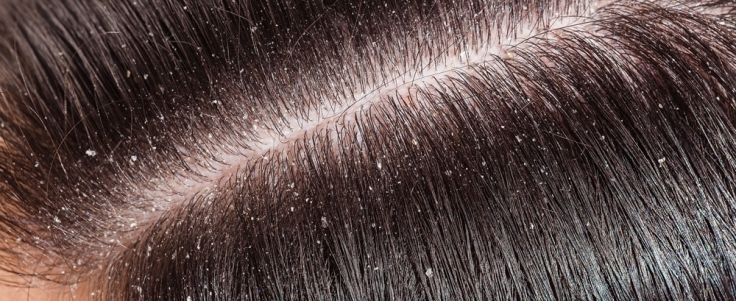
    Dandruff causes white or grey flakes of skin to appear on the scalp and in the hair

    The flakes are often more noticeable in darker hair and if they fall from your scalp on to your shoulders.

    Your scalp may also feel dry and itchy.

    How to treat dandruff yourself

    Use an anti-dandruff shampoo. There are several different types you can buy from pharmacies or supermarkets.

    Look for shampoo containing one of these ingredients:

    • zinc pyrithione
    • salicylic acid
    • selenium sulphide (or selenium sulfide)
    • ketoconazole
    • coal tar

    Your pharmacist can tell you how to use the shampoo.

    Use the shampoo for a month to see if your dandruff improves. You might need to try more than one type to find one that works for you.

    Causes of dandruff

    Dandruff is not caused by poor hygiene, although it may be more obvious if you do not wash your hair regularly.

    Stress and cold weather may also make dandruff worse.

    A list of conditions that cause dandruff and the main symptoms

    Symptoms

    Possible causes

    scaly, itchy and red patches on skin on scalp, face and other areas of the body

    seborrheic dermatitis

    red or silver rash on scalp, sometimes with patchy hair loss

    tinea capitis, known as ringworm

    dry, red, flaky and very itchy skin on areas of the body

    eczema

    red, inflamed (irritated) skin; may also have blisters and cracked skin – reaction to products such as hair dye, sprays, gels or mousses

    contact dermatitis

    red, flaky, crusty and sore patches of skin covered with silvery scales

    psoriasis

    greasy, yellowish crusts on baby’s scalp, eyebrows and nappy area

    cradle cap

    Information:

    Do not worry if you’re not sure what is causing your dandruff. Follow the advice on this page and see a GP if things do not improve in a month.

  • Cystitis

    Cystitis

    WHAT IS CYSTITIS?

    Cystitis, a common type of urinary tract infection (UTI), is characterised by inflammation of the bladder. It is more of a nuisance than a serious concern, causing many women to seek fast and effective treatment.

    Cystitis affects more women than men. This is due to the fact that women have a smaller proximity between the urethra and back passage – making it easier for bacteria to infect the bladder.

    Cystitis can occur suddenly (acute) or as a result of a chronic case that affects multiple layers of the bladder. The latter case is called interstitial cystitis (IC).

    WHAT ARE THE SYMPTOMS OF CYSTITIS?

    Most symptoms of cystitis go away between 4 to 9 days. However, many women seek antibiotic treatment to treat their symptoms faster as cystitis can be painful and debilitating. Some of the common symptoms of cystitis include:

    • Pain when urinating, sometimes accompanied by burning or stinging
    • Urinating more frequently
    • Abdominal and stomach pain
    • A change in urine colour, often resulting in it becoming cloudy, dark and stronger smelling
    • Blood in the urine, making it slightly pink
    • Cold-like symptoms, including achiness, nausea and lethargy

    Though a mild condition, cystitis may spread to your kidneys. When it does, watch out for the following symptoms as this is a serious health issue:

    • Chills
    • Vomiting
    • Nausea
    • Pain in your back or sides

    Fever or blood in the urine may also be caused by something more serious than a bladder infection. Seek medical attention as soon as possible if you have concerns.

    WHAT CAUSES CYSTITIS?

    Because the urethra is much shorter in the female anatomy, cystitis is much more common in women. In men, the infection can be linked to more serious conditions such as kidney or prostate infections and, in a worst-case scenario, cancer.

    There are many possible causes of cystitis. These include:

    • Urinary tract infection
    • Irritating hygiene products
    • Use of a catheter
    • Radiation
    • Taking certain medications

    Acute and interstitial cystitis can be caused by a variety of factors. We have categorised these factors below in order to help you understand the causes in more depth:

    BACTERIAL CYSTITIS

    Bacterial Cystitis happens when bacteria enters the urethra and infects your bladder. The most common type of bacteria responsible for this type of cystitis is e-coli. Around 80% of urinary tract infections are caused by bacteria from the bowel that reach your urinary tract.

    Factors that can play a part in the development of bacterial cystitis include:

    • Underwear — tight underwear can spread bacteria to the opening of the urethra
    • Hygiene — the proximity between the urethra and the anal passage means unkempt hygiene can lead to a build-up of bacteria
    • Diabetes — diabetics tend to have high sugar content in their urine, meaning bacteria can grow more easily
    • A full bladder — residual urine can increase the amount of bacteria present

    The likelihood of bacterial cystitis is heightened by sexual activity but it is not considered a sexually transmitted disease.

    RADIATION CYSTITIS

    Radiation therapy does not only kill cancer cells and tumours – it can also damage healthy cells. If you’ve had radiation treatment in your pelvic area, your chances of getting an inflamed bladder are high.

    DRUG-INDUCED CYSTITIS

    The majority of medicines you consume will leave the body through your urinary system. Some medications like chemotherapy drugs (i.e. ifosfamide and cyclophosphamide) can irritate your bladder when passing through.

    CHEMICAL CYSTITIS

    Chemical cystitis is caused by hygiene products like feminine sprays, bubble bath chemicals, and spermicidal jellies. Over or improper use of these products can lead to irritation and infection.

    FOREIGN BODY CYSTITIS

    Foreign body cystitis is usually caused by the ongoing use of a catheter – a tube used to facilitate the release of urine from the bladder. Using a catheter increases your risks of developing a bacterial infection and damaging surrounding tissue.

    HOW CAN I TREAT CYSTITIS?

    Mild cystitis goes away on its own over time. However, if your symptoms are affecting your daily life, you can seek treatment for cystitis from Express Pharmacy.

    Lifestyle changes to prevent and treat cystitis include drinking lots of water, drinking cranberry juice, improving personal hygiene, and wearing more breathable underwear. You can also apply heat pads to your back or lower abdomen to relieve uncomfortable symptoms.

    Using over the counter pain relievers can also help alleviate the symptoms of cystitis. We currently stock Trimethoprim tablets and Nitrofurantoin – both Cystitis medications are designed to kill bacteria commonly associated with urinary tract infections.

    HOW COMMON IS CYSTITIS?

    Cystitis is more common in women than in men. Between 20 and 40% of women will experience cystitis at some point in their lifetime, and one in five women live with recurrent cystitis. Every year, over 4 million women in the UK develop the infection. It’s particularly common in women who are postmenopausal, pregnant or sexually active.

    Although not as common in men, those with an enlarged prostate have a higher risk of developing cystitis because of the retention of urine in the bladder.

    HOW CAN I PREVENT CYSTITIS?

    Although easy to treat, it’s worth taking measures to prevent cystitis from coming back:

    Stay Hydrated: Drinking plenty of water, urinating frequently, and avoiding tight underwear can help reduce your risk of cystitis.

    Wipe Properly: Always wipe from front to back after moving your bowel. Remember that most urinary tract infections are caused by bacteria from the bowel that reach your urinary tract.

    Wash Carefully: Proper hygiene like washing the skin around the vagina and anus regularly is also a good preventive measure. Just be careful not to use harsh soaps and avoid washing too vigorously. It’s also strongly advised to avoid using feminine products in the genital area.

    Use Catheters Correctly: For catheter users, ask your doctor or nurse about the best way to change a catheter without damaging any tissues in your urinary tract.

    TALK TO US TODAY

    Cystitis, by itself, is not life-threatening; but it can be a nuisance to deal with. Browse our cystitis treatments on this page or get in touch with us to see how we can help improve your symptoms.

  • COVID-19 Coronavirus Testing & Fit to Fly Certificates

    COVID-19 Coronavirus Testing & Fit to Fly Certificates

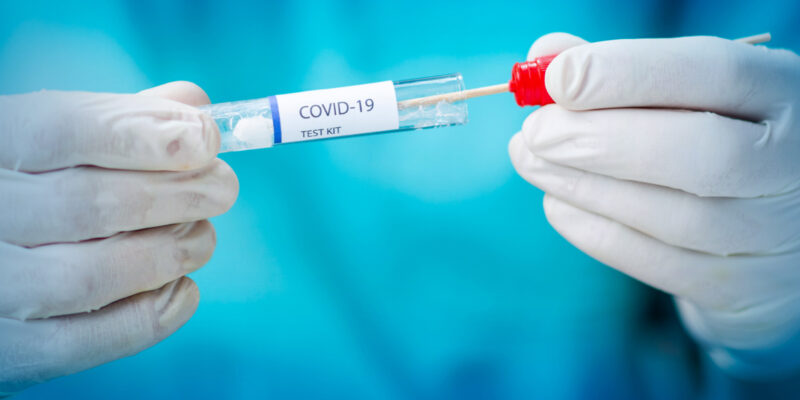
    COVID-19 PCR SWABS & FITNESS TO TRAVEL CERTIFICATES

    Warwick Pharmacy provides PHE approved COVID-19 PCR tests from our UKAS accredited laboratory with results in 1 day (24 Hours). Our test shows a minimum sensitivity of 98% and a specificity of 100%. Your test will include a pdf copy of your laboratory results.
    Call us on 0207 834 4721 to book a test or if you need further information.

    RETESTING
    A small number of swab tests are sometimes inconclusive, and you may therefore require a retest. You’ll be contacted if you need to have another swab test. We will not charge you for the inconclusive test and will refund you in full. We will then invite you to book a further test (as you are being refunded for the inconclusive test, you will be required to pay for the retest). We will do our best to accommodate re-tests within the required timeframe but this may not always be possible.**


    ** Geewick Ltd will not be liable for any costs incurred as a result of a failed or inconclusive test.

    Please ensure you have looked at the necessary requirements for your travel before booking your appointment.

  • Cough

    Cough

    A cough will usually clear up on its own within 3 to 4 weeks.

    How you can treat a cough yourself

    There’s usually no need to see a GP.

    You should:

    • rest
    • drink plenty of fluids

    You could also try:

    • hot lemon and honey (not suitable for babies under 1 year old)
    • a herbal medicine called pelargonium (suitable for people aged 12 or over)

    There’s limited evidence to show these work.

    How to make a hot lemon and honey drink

    Hot lemon with honey has a similar effect to cough medicines.

    Information:

    If you have a high temperature or a new, continuous cough, it could be coronavirus.

    Stay at home and use the 111 coronavirus service to find out what to do.

    You can ask a pharmacist about:

    • cough syrup
    • cough medicine (some cough medicines should not be given to children under 12)
    • cough sweets

    These will not stop your cough, but will help you cough less.

    Decongestants and cough medicines containing codeine will not stop your cough.

    Information:

    Do not go to a pharmacy if you have a high temperature or a new, continuous cough, it could be coronavirus. Ask someone to go for you if you can.

    What happens at your appointment

    To find out what’s causing your cough, your GP might:

    • take a sample of any mucus you might be coughing up
    • order an X-ray, allergy test, or a test to see how well your lungs work
    • refer you to hospital to see a specialist, but this is very rare

    Important

    Antibiotics are not normally prescribed for coughs.

    Your GP will only prescribe them if you need them – for example, if you have a bacterial infection or you’re at risk of complications.

    What causes coughs

    Most coughs are caused by a cold or flu.

    Other causes include:

    • smoking
    • heartburn (acid reflux)
    • allergies – for example, hay fever
    • infections like bronchitis
    • mucus dripping down the throat from the back of the nose

    A cough is very rarely a sign of something serious like lung cancer.

  • Constipation

    Constipation

    Constipation is common and it affects people of all ages. You can usually treat it at home with simple changes to your diet and lifestyle.

    Check if it’s constipation

    It’s likely to be constipation if:

    • you or your child have not had a poo at least 3 times in a week
    • the poo is often difficult to push out and larger than usual
    • the poo is often dry, hard or lumpy

    But it’s not unusual for a breastfeeding baby to go a week without having a poo.

    You may also have a stomach ache and feel bloated or sick.

    Things to look out for in babies and toddlers include:

    • a lack of energy
    • being irritable, angry or unhappy
    • soiling their clothes
    • being less hungry than usual
    • a firm tummy

    What causes constipation

    Constipation in adults has many possible causes. Sometimes there’s no obvious reason.

    The most common causes include:

    • not eating enough fibre – such as fruit, vegetables and cereals
    • not drinking enough fluids
    • not moving enough and spending long periods sitting or lying in bed
    • being less active and not exercising
    • often ignoring the urge to go to the toilet
    • changing your diet or daily routine
    • a side effect of medicine
    • stress, anxiety or depression

    Constipation is also common during pregnancy and for 6 weeks after giving birth.

    In much rarer cases, constipation may be caused by a medical condition.

    Simple changes to your diet and lifestyle can help treat constipation.

    It’s safe to try these simple measures when you’re pregnant.

    You may notice a difference within a few days. Sometimes it takes a few weeks before your symptoms improve.

    Make changes to your diet

    To make your poo softer and easier to pass:

    • drink plenty of fluids and avoid alcohol
    • increase the fibre in your diet
    • add some wheat bran, oats or linseed to your diet

    Improve your toilet routine

    Keep to a regular time and place and give yourself plenty of time to use the toilet.

    Do not delay if you feel the urge to poo.

    To make it easier to poo, try resting your feet on a low stool while going to the toilet. If possible, raise your knees above your hips.

    Increase your activity

    A daily walk or run can help you poo more regularly.

    • Getting started with exercise
    • Getting active with a disability or long-term condition
    • Exercise during pregnancy

    Babies and toddlers: what causes constipation

    Constipation in babies and toddlers has many possible causes. Sometimes there’s no obvious reason.

    It usually happens when your child:

    • first starts taking formula or processed foods as a baby
    • is being potty trained as a toddler
    • has just started school

    The most common causes include:

    • not eating enough fibre – such as fruit, vegetables and cereals
    • not drinking enough fluids
    • poor potty training – such as feeling pressured or being regularly interrupted

    In much rarer cases, constipation in babies and toddlers may be caused by a medical condition.

    Babies and toddlers: treating constipation

    Simple changes to your child’s diet and potty training can help treat constipation.

    You may notice a difference within a few days.

    Sometimes it takes a few weeks before their symptoms improve.

    Make changes to your child’s diet

    If your baby is formula-fed, you can offer them extra drinks of water between feeds.

    Do not add more water to formula feeds.

    Breastfed babies rarely get constipated. They do not need anything but breast milk for the first 6 months.

    Try gently moving your baby’s legs in a bicycling motion or carefully massaging their tummy to help stimulate their bowels.

    Give older children plenty of fluids and encourage them to eat fruit.

    Chop or purée it if it’s easier for them to eat. The best fruits for constipation include apples, grapes, pears and strawberries.

    Do not force your child to eat as this can make mealtimes stressful.

    Find out what to feed young children.

    Helping your child with potty training

    Some children feel anxious or stressed about using the toilet. This can cause them to hold in their poo and lead to constipation.

    This usually happens during potty training or if their usual toilet routine has changed. For example, after moving house or starting nursery.

    Give your child plenty of time to use the toilet while they’re still learning.

    Encourage them when they do use the toilet. Some parents find a reward chart works.

    Try these potty training tips.

    A pharmacist can help with constipation

    Speak to a pharmacist if diet and lifestyle changes are not helping.

    They can suggest a suitable laxative. These are medicines that help you poo more regularly.

    Most laxatives work within 3 days. They should only be used for a short time.

    Laxatives are not recommended for children unless they’re prescribed by a GP.

    Complications of long-term constipation

    Long-term constipation can lead to faecal impaction. This is where poo has built up in your rectum.

    The main symptom is diarrhoea after a long bout of constipation.

    Faecal impaction may be treated with:

    • stronger laxatives – prescribed by a GP
    • a suppository – medicine you place in your bottom
    • a mini enema – where fluid is passed through your bottom, into your bowel
    • a doctor removing some of the poo
  • Cold Sores

    Cold Sores

    Cold sores are common and usually clear up on their own within 10 days. But there are things you can do to help ease the pain.

    Check if it’s a cold sore

    A cold sore usually starts with a tingling, itching or burning feeling.

    Over the next 48 hours:

    Small fluid-filled blisters appear.

    The blisters can appear anywhere on the face.

    The blisters burst and crust over into a scab.

    Cold sores should start to heal within 10 days, but are contagious and may be irritating or painful while they heal.

    Some people find that certain things trigger a cold sore, such as another illness, sunshine or periods.

    When it’s not a cold sore

    How long cold sores are contagious

    Cold sores are contagious from the moment you first feel tingling or other signs of a cold sore coming on to when the cold sore has completely healed.

    A pharmacist can help with cold sores

    A pharmacist can recommend:

    • creams to ease pain and irritation
    • antiviral creams to speed up healing time
    • cold sore patches to protect the skin while it heals

    You can buy electronic devices from pharmacies that treat cold sores with light or lasers.

    Some people find these helpful, but there have not been many studies to find out if they work.

    Information:

    If you regularly get cold sores, use antiviral creams as soon as you recognise the early tingling feeling. They do not always work after blisters appear.

    Things you can do yourself

    Cold sores take time to heal and they’re very contagious, especially when the blisters burst.

    Important

    Do not kiss babies if you have a cold sore. It can lead to neonatal herpes, which is very dangerous to newborn babies.

    Do

    • eat cool, soft foods
    • wash your hands with soap and water before and after applying cream
    • avoid anything that triggers your cold sores
    • use sunblock lip balm (SPF 15 or above) if sunshine is the trigger
    • take paracetamol or ibuprofen to ease pain and swelling (liquid paracetamol is available for children) – do not give aspirin to children under 16
    • drink plenty of fluids to avoid dehydration

    Don’t

    • do not kiss anyone while you have a cold sore
    • do not share anything that comes into contact with a cold sore (such as cold sore creams, cutlery or lipstick)
    • do not have oral sex until your cold sore completely heals – the cold sore virus also causes genital herpes
    • do not touch your cold sore (apart from applying cream)
    • do not rub cream into the cold sore – dab it on instead
    • do not eat acidic or salty food

    See a GP if:

    • the cold sore has not started to heal within 10 days
    • you’re worried about a cold sore or think it’s something else
    • the cold sore is very large or painful
    • you or your child also have swollen, painful gums and sores in the mouth (gingivostomatitis)
    • you’re pregnant – there’s an increased risk of neonatal herpes
    • you have a weakened immune system – for example, because of chemotherapy or diabetes

    Treatment from a GP

    A GP may prescribe antiviral tablets if your cold sores are very large, painful or keep coming back.

    Newborn babies, pregnant women and people with a weakened immune system may be referred to hospital for advice or treatment.

    Why cold sores come back

    Cold sores are caused by a virus called herpes simplex.

    Once you have the virus, it stays in your skin for the rest of your life. Sometimes it causes a cold sore.

    Most people are exposed to the virus when they’re young after close contact with someone who has a cold sore.

    It does not usually cause any symptoms until you’re older. You will not know if it’s in your skin unless you get a cold sore.

  • Cold And Flu

    Cold And Flu

    You can often treat the flu without seeing a GP and should begin to feel better in about a week.

    Check if you have flu

    Flu symptoms come on very quickly and can include:

    • a sudden fever – a temperature of 38C or above
    • an aching body
    • feeling tired or exhausted
    • a dry cough
    • a sore throat
    • a headache
    • difficulty sleeping
    • loss of appetite
    • diarrhoea or tummy pain
    • feeling sick and being sick

    The symptoms are similar for children, but they can also get pain in their ear and appear less active.

    Telling the difference between cold and flu

    How to treat flu yourself

    To help you get better more quickly:

    • rest and sleep
    • keep warm
    • take paracetamol or ibuprofen to lower your temperature and treat aches and pains
    • drink plenty of water to avoid dehydration (your pee should be light yellow or clear)

    Information:

    If you have a high temperature or a new, continuous cough, it could be coronavirus.

    Stay at home and use the 111 coronavirus service to find out what to do.

    A pharmacist can help with flu

    A pharmacist can give treatment advice and recommend flu remedies.

    Be careful not to use flu remedies if you’re taking paracetamol and ibuprofen tablets as it’s easy to take more than the recommended dose.

    Information:

    Do not go to a pharmacy if you have a high temperature or a new, continuous cough, it could be coronavirus. Ask someone to go for you if you can.

    Antibiotics

    GPs do not recommend antibiotics for flu because they will not relieve your symptoms or speed up your recovery.

    Immediate action required:

    Call 999 or go to A&E if you:

    • develop sudden chest pain
    • have difficulty breathing
    • start coughing up blood

    How to avoid spreading the flu

    Flu is very infectious and easily spread to other people. You’re more likely to give it to others in the first 5 days.

    Flu is spread by germs from coughs and sneezes, which can live on hands and surfaces for 24 hours.

    To reduce the risk of spreading flu:

    • wash your hands often with warm water and soap
    • use tissues to trap germs when you cough or sneeze
    • bin used tissues as quickly as possible

    How to prevent flu

    The flu vaccine reduces the risk of catching flu, as well as spreading it to others.

    It’s more effective to get the vaccine before the start of the flu season (December to March).

    Find out if you’re eligible for the free NHS flu vaccine

    Flu vaccination and side effects for adults

    Flu vaccination and side effects for children

  • Chlamydia

    Chlamydia

    Chlamydia is 1 of the most common sexually transmitted infections (STIs) in the UK.

    It’s passed on through unprotected sex (sex without a condom) and is particularly common in sexually active teenagers and young adults.

    If you live in England, are under 25 and are sexually active, it’s recommended that you get tested for chlamydia every year or when you change sexual partner.

    Symptoms of chlamydia

    Most people with chlamydia do not notice any symptoms and do not know they have it.

    If you do develop symptoms, you may experience:

    • pain when peeing
    • unusual discharge from the vagina, penis or bottom
    • in women, pain in the tummy, bleeding after sex and bleeding between periods
    • in men, pain and swelling in the testicles

    If you think you’re at risk of having a sexually transmitted infection (STI) or have any symptoms of chlamydia, visit a GP, community contraceptive service or local genitourinary medicine (GUM) clinic to get tested.

    How do you get chlamydia?

    Chlamydia is a bacterial infection. The bacteria are usually spread through sex or contact with infected genital fluids (semen or vaginal fluid).

    You can get chlamydia through:

    • unprotected vaginal, anal or oral sex
    • sharing sex toys that are not washed or covered with a new condom each time they’re used
    • your genitals coming into contact with your partner’s genitals – this means you can get chlamydia from someone even if there’s no penetration, orgasm or ejaculation
    • infected semen or vaginal fluid getting into your eye

    It can also be passed by a pregnant woman to her baby.

    Find out more about the complications of chlamydia

    Chlamydia cannot be passed on through casual contact, such as kissing and hugging, or from sharing baths, towels, swimming pools, toilet seats or cutlery.

    Is chlamydia serious?

    Although chlamydia does not usually cause any symptoms and can normally be treated with a short course of antibiotics, it can be serious if it’s not treated early on.

    If left untreated, the infection can spread to other parts of your body and lead to long-term health problems, such as pelvic inflammatory disease (PID), epididymo-orchitis (inflammation of the testicles) and infertility.

    It can also sometimes cause reactive arthritis.

    This is why it’s important to get tested and treated as soon as possible if you think you might have chlamydia.

    Find out more about the complications of chlamydia

    Getting tested for chlamydia

    Testing for chlamydia is done with a urine test or a swab test.

    You do not always need a physical examination by a nurse or doctor.

    Anyone can get a free and confidential chlamydia test at a sexual health clinic, a genitourinary medicine (GUM) clinic or a GP surgery.

    People under 25 years old can also get tested by the National Chlamydia Screening Programme (NCSP).

    This is often in places such as pharmacies, contraception clinics or colleges.

    If you live in England, you’re under 25 and you’re sexually active, you should get tested for chlamydia every year or when you change sexual partner, as you’re more likely to catch it.

    You can also buy chlamydia testing kits to do at home.

    Find out more about getting a chlamydia test

    How chlamydia is treated

    Chlamydia can usually be treated easily with antibiotics.

    You may be given some tablets to take all on 1 day, or a longer course of capsules to take for a week.

    You should not have sex until you and your current sexual partner have finished treatment.

    If you had the 1-day course of treatment, you should avoid having sex for a week afterwards.

    It’s important that your current sexual partner and any other recent sexual partners you have had are also tested and treated to help stop the spread of the infection.

    Under-25s who have chlamydia should be offered another test around 3 months after being treated.

    This is because young adults who test positive for chlamydia are at increased risk of catching it again.

    Sexual health or genitourinary medicine (GUM) clinics can help you contact your sexual partners.

    Either you or the clinic can speak to them, or they can be sent a note advising them to get tested.

    The note will not have your name on it, so your confidentiality will be protected.

    Preventing chlamydia

    Anyone who’s sexually active can catch chlamydia.

    You’re most at risk if you have a new sexual partner or do not use a barrier method of contraception, such as a condom, when having sex.

    You can help to prevent the spread of chlamydia by:

    • using a condom every time you have vaginal or anal sex
    • using a condom to cover the penis during oral sex
    • using a dam (a piece of thin, soft plastic or latex) to cover the female genitals during oral sex or when rubbing female genitals together
    • not sharing sex toys

    If you do share sex toys, wash them or cover them with a new condom between each person who uses them.

    Most people who have chlamydia don’t notice any symptoms.

    If you do get symptoms, these usually appear between 1 and 3 weeks after having unprotected sex with an infected person. For some people they don’t develop until many months later.

    Sometimes the symptoms can disappear after a few days. Even if the symptoms disappear you may still have the infection and be able to pass it on.

    Symptoms in women

    At least 70% of women with chlamydia don’t notice any symptoms. If they do get symptoms, the most common include:

    • pain when urinating
    • unusual vaginal discharge
    • pain in the tummy or pelvis
    • pain during sex
    • bleeding after sex
    • bleeding between periods

    If chlamydia is left untreated, it can spread to the womb and cause a serious condition called pelvic inflammatory disease (PID). This is a major cause of ectopic pregnancy and infertility in women.

    Read more about the complications of chlamydia.

    Symptoms in men

    At least half of all men with chlamydia don’t notice any symptoms. If they do get symptoms, the most common include:

    • pain when urinating
    • white, cloudy or watery discharge from the tip of the penis
    • burning or itching in the urethra (the tube that carries urine out of the body)
    • pain in the testicles

    If chlamydia is left untreated, the infection can cause swelling in the epididymis (the tubes that carry sperm from the testicles) and the testicles. This could affect your fertility.

    Read more about the complications of chlamydia.

    Chlamydia in the rectum, throat or eyes

    Chlamydia can also infect:

    • the rectum (back passage) if you have unprotected anal sex – this can cause discomfort and discharge from your rectum
    • the throat if you have unprotected oral sex – this is uncommon and usually causes no symptoms
    • the eyes if they come into contact with infected semen or vaginal fluid – this can cause eye redness, pain and discharge (conjunctivitis)

    When to seek medical advice

    If you have any symptoms of chlamydia, visit your GP, community contraceptive service or local genitourinary medicine (GUM) clinic as soon as possible.

    Find a sexual health clinic.

    You should also get tested if you don’t have any symptoms but are concerned you could have a sexually transmitted infection (STI).

    If you’re sexually active and under 25 years old, you should get tested for chlamydia every year or every time you have a new partner. You can get tested in places such as pharmacies, colleges and youth centres.

    Chlamydia can usually be effectively treated with antibiotics. More than 95% of people will be cured if they take their antibiotics correctly.

    You may be started on antibiotics once test results have confirmed you have chlamydia. But if it’s very likely you have the infection, you might be started on treatment before you get your results.

    The two most commonly prescribed antibiotics for chlamydia are:

    • azithromycin – given as 2 or 4 tablets at once
    • doxycycline – given as 2 capsules a day for a week

    Your doctor may give you different antibiotics, such as amoxicillin or erythromycin, if you have an allergy or are pregnant or breastfeeding. A longer course of antibiotics may be used if your doctor is concerned about complications of chlamydia.

    Some people experience side effects during treatment, but these are usually mild. The most common side effects include tummy pain, diarrhoea, feeling sick, and vaginal thrush in women.

    When can I have sex again?

    You shouldn’t have sex – including vaginal, oral or anal sex, even with a condom – until both you and your partner(s) have completed treatment.

    If you had the 1-day course of azithromycin, you should avoid having sex for a week after treatment.

    This will help ensure you don’t pass on the infection or catch it again straight away.

    Will I need to go back to the clinic?

    If you take your antibiotics correctly, you may not need to return to the clinic.

    However, you will be advised to go back for another chlamydia test if:

    • you had sex before you and your partner finished treatment
    • you forgot to take your medication or didn’t take it properly
    • your symptoms don’t go away
    • you’re pregnant

    If you’re under 25 years of age, you should be offered a repeat test for chlamydia 3 months after finishing your treatment because you’re at a higher risk of catching it again.

    Testing and treating sexual partners

    If you test positive for chlamydia, it’s important that your current sexual partner and any other recent sexual partners you’ve had are also tested and treated.

    A specialist sexual health adviser can help you contact your recent sexual partners, or the clinic can contact them for you if you prefer.

    Either you or someone from the clinic can speak to them, or the clinic can send them a note to let them know they may have been exposed to a sexually transmitted infection (STI).

    The note will suggest that they go for a check-up. It will not have your name on it, so your confidentiality will be protected.

  • Blood Pressure Monitors

    Blood Pressure Monitors

    How to choose a blood pressure monitor and measure your blood pressure at home

    Find out how to choose a reliable blood pressure monitor so you can measure your blood pressure at home.

    What is a normal blood pressure reading?

    A normal blood pressure reading is below 140/90, but if you have heart or circulatory disease, diabetes or kidney disease, your blood pressure should ideally be less than 130/80.

    If you want to monitor your blood pressureat home, it can be a good idea to get a blood pressure machine that lets you keep a track of your blood pressure readings at times that are suitable for you, in the comfort of your own home.

    How to choose a home blood pressure monitor

    If you decide to take your blood pressure at home, you will need to get a home blood pressure monitor. There is a wide range of home blood pressure monitors available, but it is important to be sure that the blood pressure monitor you choose is accurate and the right one for you.

    • Ask your doctor: If your doctor asks you to measure your blood pressure at home or to wear an ambulatory blood pressure monitor in order to diagnose hypertension, they will provide a monitor that you can borrow for a set period of time.
    • Buy a monitor with an upper cuff: If you are buying a home blood pressure monitor, choose one that measures your blood pressure at your upper arm, not your wrist or finger. The cheapest ones start from £10 and are available in most local pharmacies and larger supermarkets.
    • Make sure the cuff is the right size for your arm: Make sure you have the right cuff size for your arm. It should wrap snugly around your upper arm, with just enough space to slide two fingertips underneath. Most home blood pressure monitors will come with a medium-sized cuff. If your upper arm is particularly larger or smaller than average, you may need to buy a different sized cuff separately.
    • Make sure it’s UK approved: If you are buying a blood pressure monitor, make sure it is approved for use in the UK. To make sure your monitor is accurate, choose one that has been listed as validated for accuracy by the British and Irish Hypertension Society (BIHS). This means that the digital monitor has gone through a series of tests to make sure it gives results that you and your doctor can trust.
    • Make sure you get it serviced  every 2 years: It needs to be regularly serviced and calibrated to make sure it is accurate – generally, at least once every two years. This usually involves sending it back to the manufacturer, who will probably charge a fee for this. If this option is too complicated or expensive it may be easier and cheaper to buy a new monitor.

    See a list of monitors validated by the British and Irish Hypertension society.

    Some monitors will have a memory to store your readings. These may cost more than more basic versions, but recording your measurements on a pen and paper will work just as well.

    How to check your blood pressure using a blood pressure machine

    1. In order for it to be an accurate reading it’s important that you’re resting and that you’re not feeling anxious or stressed.
    2. Sit upright in a chair, your back against the back of the chair, and place your feet flat on the floor.
    3. Rest your arm on a table if you have one and just make sure your hand and arm are relaxed on the table. It’s important that you don’t clench your fist when you’re taking your blood pressure.
    4. Place the cuff over your upper arm and tighten the cuff over your arm, making sure you can fit two fingers underneath the cuff. You want the cuff to be over the upper part of your arm with the tubing leading down the centre or slightly to the right of your arm.
    5. When you check your blood pressure, don’t talk and just relax. Press the on button, and then press the start button.
    6. You’ll feel the cuff inflate quite rapidly. It may temporarily be a bit tender or uncomfortable for,  as the cuff inflates and deflates automatically, but this will only be for a short period of time. If it is too tender/uncomfortable you can just press the ‘Stop’ button and the cuff will instantly deflate.
    7. Once you get your reading, make a note of the reading. Some blood pressure machines now come with a printer. This allows you to stick your print outs in your diary.
    8. A few minutes after you’ve taken your blood pressure, it’s a good idea to check it again, to make sure the readings are similar and accurate.
    9. If you’ve been asked by your GP or nurse to check your blood pressure, take it twice a day – morning and evening – and then make an appointment to see him or her to discuss the results.