Blog

  • Blisters

    Blisters

    Blisters should heal on their own within a week. They can be painful while they heal, but you shouldn’t need to see a GP.

    How you can treat a blister yourself

    To relieve any pain, use an ice pack (or a bag of frozen vegetables wrapped in a towel) on the blister for up to 30 minutes.

    To protect the blister and help prevent infection:

    Do

    • cover blisters that are likely to burst with a soft plaster or dressing
    • wash your hands before touching a burst blister
    • allow the fluid in a burst blister to drain before covering it with a plaster or dressing

    Don’t

    • do not burst a blister yourself
    • do not peel the skin off a burst blister
    • do not pick at the edges of the remaining skin
    • do not wear the shoes or use the equipment that caused your blister until it heals

    A pharmacist can help with blisters

    To protect your blister from becoming infected, a pharmacist can recommend a plaster or dressing to cover it while it heals.

    A hydrocolloid dressing can help reduce pain and speed up healing.

    Check if you have a blister

    Blisters are small pockets of clear fluid under a layer of skin.

    Blood blisters are red or black and filled with blood instead of clear fluid.

    If the blister is infected it can be red, hot and filled with green or yellow pus.

    Important

    Don’t ignore an infected blister. Without treatment it could lead to a skin or blood infection.

    Non-urgent advice:

    See a GP if:

    • a blister is very painful or keeps coming back
    • the skin looks infected – it’s red, hot and the blister is filled with green or yellow pus
    • a blister is in an unusual place – such as your eyelids, mouth or genitals
    • several blisters have appeared for no reason
    • a blister was caused by a burn or scald, sunburn, or an allergic reaction
  • Bedwetting

    Bedwetting

    Bedwetting is common and often runs in families. It can be upsetting, but most children and young people will grow out of it. See a GP or school nurse for advice.

    Things you can do at home to help with bedwetting

    Do

    • give your child enough water to drink during the day
    • make sure your child goes to the toilet regularly, around 4 to 7 times a day, including just before bedtime
    • agree with your child on rewards for positive actions, such as a sticker for every time they use the toilet before bed
    • use waterproof covers on their mattress and duvet
    • make sure they have easy access to a toilet at night

    Don’t

    • do not punish your child – it is not their fault and can make bedwetting worse
    • do not give your child drinks containing caffeine, such as cola, tea and coffee – this can make them pee more
    • do not regularly wake or carry your child in the night to use the toilet – this will not help in the long term

    Bedwetting in young children is normal

    Many children under the age of 5 wet the bed.

    It can take some time for a child to learn to stay dry throughout the night.

    Non-urgent advice:

    See a GP if:

    • you’ve tried things you can do at home and your child keeps wetting the bed
    • your child has started wetting the bed again after being dry for more than 6 months

    Treatments from a GP

    The GP will be able to suggest other options such as:

    • a bedwetting alarm
    • medicine to reduce how much pee your child makes at night

    The GP will check if treatment is helping. They’ll also be able to offer support if you are finding it hard to cope.

    If these treatments do not work, your child may be referred to a specialist.

    Causes of bedwetting

    There are many reasons why a child might wet the bed. Causes include:

    • not feeling the need to pee while sleeping
    • making too much pee at night
    • stress at home or at school

    Bedwetting may also be caused by an underlying health condition such as diabetes or constipation.

  • Bacterial Vaginosis

    Bacterial Vaginosis

    Bacterial vaginosis (BV) is a common cause of unusual vaginal discharge. BV is not a sexually transmitted infection (STI), but it can increase your risk of getting an STI such as chlamydia.

    Check if you have bacterial vaginosis

    The most common symptom of bacterial vaginosis is unusual vaginal discharge that has a strong fishy smell, particularly after sex.

    You may notice a change to the colour and consistency of your discharge, such as becoming greyish-white and thin and watery.

    But 50% of women with bacterial vaginosis do not have any symptoms.

    Bacterial vaginosis does not usually cause any soreness or itching.

    If you’re unsure it’s BV, check for other causes of unusual vaginal discharge.

    Non-urgent advice:

    See a GP or go to a sexual health clinic if you think you have BV

    The condition is not usually serious, but you’ll need to be treated with antibiotics if you do have BV.

    It’s also important to seek treatment if you’re pregnant as there’s a small chance that BV can cause complications with pregnancy.

    Information:

    Sexual health clinics can help with bacterial vaginosis

    Sexual health clinics treat problems with the genitals and urinary system.

    Many sexual health clinics offer a walk-in service, where you do not need an appointment.

    They’ll often get test results quicker than GP practices.

    What happens at your appointment

    Your GP or sexual health clinic will want to confirm it’s BV and rule out an STI.

    You’ll be asked about your symptoms, and a doctor or nurse may look at your vagina.

    A cotton bud may be wiped over the discharge inside your vagina to test for BV and other infections.

    Treatment for bacterial vaginosis

    Bacterial vaginosis is usually treated with antibiotic tablets or gels or creams.

    These are prescribed by a GP or sexual health clinic.

    If you have a same-sex partner, they may also need treatment.

    Recurring bacterial vaginosis

    It’s common for BV to come back, usually within 3 months.

    You’ll need to take treatment for longer (up to 6 months) if you keep getting BV (you get it more than twice in 6 months).

    A GP or sexual health clinic will recommend how long you need to treat it.

    They can also help identify if something is triggering your BV, such as sex or your period.

    Things you can do yourself

    To help relieve symptoms and prevent bacterial vaginosis returning:

    Do

    • use water and plain soap to wash your genital area
    • have showers instead of baths

    Don’t

    • do not use perfumed soaps, bubble bath, shampoo or shower gel in the bath
    • do not use vaginal deodorants, washes or douches
    • do not put antiseptic liquids in the bath
    • do not use strong detergents to wash your underwear
    • do not smoke

    What causes bacterial vaginosis

    Bacterial vaginosis is caused by a change in the natural balance of bacteria in your vagina.

    What causes this to happen is not fully known, but you’re more likely to get it if:

    • you’re sexually active (but women who have not had sex can also get BV)
    • you have had a change of partner
    • you have an IUD (contraception device)
    • you use perfumed products in or around your vagina

    BV is not an STI, even though it can be triggered by sex.

    A woman can pass it to another woman during sex.

    You’re more likely to get an STI if you have BV. This may be because BV makes your vagina less acidic and reduces your natural defences against infection.

    Bacterial vaginosis in pregnancy

    If you develop bacterial vaginosis in pregnancy, there’s a small chance of complications, such as premature birth or miscarriage.

    But BV causes no problems in the majority of pregnancies.

    Speak to a GP or your midwife if you’re pregnant and your vaginal discharge changes.

    We are always here to help at warwick pharmacy.

  • Athlete’s foot

    Athlete’s foot

    Athlete’s foot is a common fungal infection that affects the feet. You can usually treat it with creams, sprays or powders from a pharmacy, but it can keep coming back.

    Check if you have athlete’s foot

    Symptoms of athlete’s foot include:

    • Itchy white patches between your toes.
    • Red, sore and flaky patches on your feet.
    • Skin that may crack and bleed.

    It can also affect your soles or sides of your feet. If it’s not treated, it can spread to your toenails and cause a fungal nail infection.

    Athlete’s foot sometimes causes fluid-filled blisters.

    A pharmacist can help with athlete’s foot

    Athlete’s foot is unlikely to get better on its own, but you can buy antifungal medicines for it from a pharmacy. They usually take a few weeks to work.

    Athlete’s foot treatments are available as:

    • creams
    • sprays
    • powders

    They’re not all suitable for everyone – for example, some are only for adults. Always check the packet or ask a pharmacist.

    You might need to try a few treatments to find one that works best for you.

    How you can help treat and prevent athlete’s foot yourself

    You can keep using some pharmacy treatments to stop athlete’s foot coming back.

    It’s also important to keep your feet clean and dry. You don’t need to stay off work or school.

    Do

    • dry your feet after washing them, particularly between your toes – dab them dry rather than rubbing them
    • use a separate towel for your feet and wash it regularly
    • take your shoes off when at home
    • wear clean socks every day – cotton socks are best

    Don’t

    • do not scratch affected skin – this can spread it to other parts of your body
    • do not walk around barefoot – wear flip-flops in places like changing rooms and showers
    • do not share towels, socks or shoes with other people
    • do not wear the same pair of shoes for more than 2 days in a row
    • do not wear shoes that make your feet hot and sweaty

    Important

    Keep following this advice after finishing treatment to help stop athlete’s foot coming back.

    Non-urgent advice:

    See a GP if:

    • treatments from a pharmacy do not work
    • you’re in a lot of discomfort
    • your foot is red, hot and painful – this could be a more serious infection
    • you have diabetes – foot problems can be more serious if you have diabetes
    • you have a weakened immune system – for example, you have had an organ transplant or are having chemotherapy

    Information:

    Treatment for athlete’s foot from a GP

    Your GP may:

    • send a small scraping of skin from your feet to a laboratory to check you have athlete’s foot
    • prescribe a steroid cream to use alongside anti-fungal cream
    • prescribe anti-fungal tablets – you might need to take these for several weeks
    • refer you to a specialist called a dermatologist for more tests and treatment if needed

    How you get athlete’s foot

    You can catch athlete’s foot from other people with the infection.

    You can get it by:

    • walking barefoot in places where someone else has athlete’s foot – especially changing rooms and showers
    • touching the affected skin of someone with athlete’s foot

    You’re more likely to get it if you have wet or sweaty feet, or if the skin on your feet is damaged.

  • Asthma Inhalers

    Asthma Inhalers

    Buy Asthma Inhalers straight from your pharmacist

    Your Pharmacist is now qualified to sell you a salbutamol (blue) asthama inhaler after a short consultation in the private consultation room.

    This is not an NHS service and you will be required to pay for the inhaler, but there is no need for an appointment and provided you are suitable for the product you can leave with it straight away.

    Salbutamol (sal-bue-tar-moll) is a medicine which is used in asthma and bronchospasm.

    The information in this Medicine Guide for salbutamol varies according to the condition being treated and the particular preparation used.

    Your medicine

    In breathing disorders, Salbutamol relaxes muscles in the air passages of the lungs. It helps to keep the airways open, making it easier to breathe.

    Inhaled preparations of Salbutamol are fast acting. They can make your breathing easier and relieve bronchospasm within minutes.

    Always have your inhaler with you in case you need it. Ask your prescriber or nurse for advice on what to do if you have an asthma attack.

    You can use Salbutamol to prevent asthma attacks caused by triggers such as house dust, pollen, cats, dogs and exercise.

    When you are having an asthma attack you should use a fast acting preparation of Salbutamol as directed by your prescriber. If your normal inhaled dose of Salbutamol does not give you the same amount of relief then you should contact your prescriber for more advice. They may want you to have additional treatment.

    You need to use Salbutamol as prescribed in order to get the best results from using it. The pharmacy label will tell you how much you should take.

    Other information about Salbutamol:

    • in certain situations your prescriber may advise you to use a higher dose of your medicine than normal
    • Do not share your medicine with other people. It may not be suitable for them and may harm them.
    • The pharmacy label on your medicine tells you how much medicine you should use. It also tells you how often you should use your medicine. This is the dose that you and your prescriber have agreed you should use. You should not change the dose of your medicine unless you are told to do so by your prescriber.
    • If you feel that the medicine is making you unwell or you do not think it is working, then talk to your prescriber.

    Whether this medicine is suitable for you

    Salbutamol is not suitable for everyone and some people should never use it. Other people should only use it with special care. It is important that the person prescribing this medicine knows your full medical history.

    Your prescriber may only prescribe this medicine with special care or may not prescribe it at all if you:

    are allergic or sensitive to or have had a reaction to any of the ingredients in the medicine
    have a low level of oxygen in the blood
    have heartdisease
    have thyrotoxicosis
    Furthermore the prescriber may only prescribe this medicine with special care or may not prescribe it at all for a child under four years of age.

    As part of the process of assessing suitability to take this medicine a prescriber may also arrange tests:

    to check that this medicine is not having any undesired effects
    Over time it is possible that Salbutamol can become unsuitable for some people, or they may become unsuitable for it. If at any time it appears that Salbutamol has become unsuitable, it is important that the prescriber is contacted immediately.

  • Aspirin

    Aspirin

    Low-dose aspirin

    1. About low-dose aspirin
    2. Key facts
    3. Who can and can’t take low-dose aspirin
    4. How and when to take it
    5. Side effects
    6. How to cope with side effects
    7. Pregnancy and breastfeeding
    8. Cautions with other medicines
    9. Common questions


    1. About low-dose aspirin

    Daily low-dose aspirin is a blood thinning medicine. Aspirin is also known as acetylsalicylic acid.

    Low-dose aspirin helps to prevent heart attacks and strokes in people at high risk of them.

    Your doctor may suggest that you take a daily low dose if you have had a stroke or a heart attack to help stop you having another one.

    Or, if you’re at high risk of heart attack – for example, if you have had heart surgery or if you have chest pain caused by heart disease (angina).

    Only take daily low-dose aspirin if your doctor recommends it.

    Low-dose aspirin comes as tablets. It’s available on prescription. You can also buy it from pharmacies, shops and supermarkets.

    Children are sometimes treated with low-dose aspirin after heart surgery or to treat a rare illness called Kawasaki disease. Children should only take low-dose aspirin if their doctor prescribes it.

    Taking low-dose aspirin to prevent heart attacks and strokes is not the same as taking aspirin as a painkiller. Read our information on aspirin for pain relief.

    2. Key facts

    • Daily low-dose aspirin makes the blood less sticky and helps to prevent heart attacks and stroke.
    • It’s usual to take a dose of 75mg once a day. Sometimes doses may be higher.
    • It’s best to take low-dose aspirin with food so it doesn’t upset your stomach.
    • Taking low-dose aspirin isn’t safe for everyone. Only take low-dose aspirin if your doctor recommends it.
    • Low-dose aspirin is also called by the brand names Caprin, Danamep, Micropirin and Nu-seals.

    3. Who can and can’t take low-dose aspirin

    Most people aged 16 or over can safely take low-dose aspirin if their doctor recommends it.

    Low-dose aspirin isn’t suitable for certain people.

    It’s sometimes called baby aspirin because of the small dose, but it’s not safe for children.

    Never give aspirin to a child younger than 16, unless their doctor prescribes it.

    There’s a possible link between aspirin and Reye’s syndrome in children.

    Reye’s syndrome is a very rare illness that can cause serious liver and brain damage.

    Important

    Never give aspirin to children younger than 16, unless their doctor prescribes it.

    To make sure low-dose aspirin is safe for you, tell your doctor if you have:

    • an allergy to aspirin or similar painkillers such as ibuprofen
    • ever had a stomach ulcer
    • high blood pressure
    • indigestion
    • heavy periods – taking daily aspirin can make them heavier
    • recently had a stroke (low-dose aspirin isn’t suitable for some types of stroke)
    • asthma or lung disease
    • ever had a blood clotting problem
    • liver or kidney problems
    • gout – it can get worse if you take daily aspirin

    Check with your doctor that it’s safe for you to take low-dose aspirin if you’re pregnant, trying to get pregnant, or if you want to breastfeed.

    4. How and when to take it

    Take low-dose aspirin once a day. Don’t take it on an empty stomach. It’s best to take it with or just after food. This will make it less likely to upset your stomach.

    How much should I take?

    Your doctor will discuss what dose is right for you. It’s important to take low-dose aspirin exactly as recommended by your doctor.

    The usual dose to prevent a heart attack or stroke is 75mg once a day (a regular strength tablet for pain relief is 300mg).

    The daily dose may be higher – up to 300mg once a day – especially if you have just had a stroke, heart attack or heart bypass surgery.

    Different types of low-dose aspirin tablets

    Low-dose aspirin comes as several different types of tablet:

    • standard tablets – that you swallow whole with water
    • soluble tablets – that you dissolve in a glass of water
    • enteric coated tablets – that you swallow whole with water. These tablets have a special coating that means they may be gentler on your stomach. Do not chew or crush them because it’ll stop the coating working. If you also take indigestion remedies, take them at least 2 hours before or after you take your aspirin. The antacid in the indigestion remedy affects the way the coating on these tablets works.

    You can buy low-dose enteric coated aspirin and low-dose soluble aspirin from pharmacies, shops and supermarkets.

    What if I forget to take it?

    If you forget to take a dose of aspirin, take it as soon as you remember. If you don’t remember until the following day, skip the missed dose.

    Do not take a double dose to make up for a forgotten dose.

    If you forget doses often, it may help to set an alarm to remind you. You could also ask your pharmacist for advice on other ways to remember to take your medicine.

    What if I take too much?

    Taking 1 or 2 extra tablets by accident is unlikely to be harmful.

    The amount of aspirin that can lead to overdose varies from person to person.

    Urgent advice:

    Call your doctor straight away if:

    You take too much aspirin by accident and experience side effects such as:

    • feeling sick (nausea)
    • ringing in the ears (tinnitus)
    • hearing problems
    • confusion
    • dizziness

    If you need to go to a hospital accident and emergency (A&E) department, do not drive yourself – get someone else to drive you or call for an ambulance.

    Take the aspirin packet or leaflet inside it, plus any remaining medicine, with you.

    5. Side effects

    Like all medicines, aspirin can cause side effects, although not everyone gets them.

    Common side effects

    Common side effects of aspirin happen in more than 1 in 100 people.

    Talk to your doctor or pharmacist if the side effects bother you or don’t go away:

    • mild indigestion
    • bleeding more easily than normal – because aspirin thins your blood, it can sometimes make you bleed more easily. For example, you may get nosebleeds and bruise more easily, and if you cut yourself, the bleeding may take longer than normal to stop.

    Serious side effects

    It happens rarely, but some people have serious side effects after taking low-dose aspirin.

    Call a doctor straight away if you get:

    • red, blistered and peeling skin
    • coughing up blood or blood in your pee, poo or vomit
    • yellow skin or the whites of your eyes turn yellow – this can be a sign of liver problems
    • painful joints in the hands and feet – this can be a sign of high levels of uric acid in the blood
    • swollen hands or feet – this can be a sign of water retention

    Serious allergic reaction

    In rare cases, it’s possible to have a serious allergic reaction to aspirin.

    Immediate action required:

    Call 999 or go to A&E if:

    • you get a skin rash that may include itchy, red, swollen, blistered or peeling skin
    • you’re wheezing
    • you get tightness in the chest or throat
    • you have trouble breathing or talking
    • your mouth, face, lips, tongue or throat start swelling

    You could be having a serious allergic reaction and may need immediate treatment in hospital.

    These aren’t all the side effects of aspirin.

    For a full list, see the leaflet inside your medicines packet.

    Information:

    You can report any suspected side effect to the UK safety scheme.

    6. How to cope with side effects

    What to do about:

    • mild indigestion – take your aspirin with food. If the indigestion still doesn’t go away, it could be a sign that the aspirin has caused a stomach ulcer. Talk to your doctor – they may prescribe something to protect your stomach or switch you to a different medicine.
    • bleeding more easily than normal – be careful when doing activities that might cause an injury or a cut. Always wear a helmet when cycling. Wear gloves when you use sharp objects like scissors, knives, and gardening tools. Use an electric razor instead of wet shaving, and use a soft toothbrush and waxed dental floss to clean your teeth. See a doctor if you’re worried about any bleeding.

    7. Pregnancy and breastfeeding

    Pregnancy and low-dose aspirin

    It’s generally safe to take low-dose aspirin during pregnancy, as long as your doctor has said it’s OK.

    Your doctor may advise you to take low-dose aspirin during pregnancy:

    • to help prevent heart attack and stroke
    • to help prevent pre-eclampsia (pregnancy-related high blood pressure)
    • if you’re having fertility treatment
    • if you have had several previous miscarriages

    For more information about how low-dose aspirin can affect you and your baby during pregnancy, read this leaflet on the Best Use of Medicines in Pregnancy (BUMPS) website.

    Breastfeeding and low-dose aspirin

    Aspirin is not generally recommended while you’re breastfeeding.

    But your doctor may suggest that you take low-dose aspirin while you’re breastfeeding if they think the benefits of the medicine outweigh the possible harm.

    Non-urgent advice:

    Tell your doctor if you’re:

    • trying to get pregnant
    • pregnant
    • breastfeeding

    8. Cautions with other medicines

    Some medicines interfere with the way aspirin works.

    Tell your doctor if you’re taking these medicines before you start taking aspirin:

    • medicines to thin blood or prevent blood clots, such as clopidogrel and warfarin – taking them with aspirin might cause bleeding problems
    • medicines for pain and inflammation, such as ibuprofen and prednisolone
    • medicines to prevent organ rejection after a transplant, such as ciclosporin and tacrolimus
    • medicines to treat high blood pressure, such as furosemide and ramipril
    • digoxin, a medicine for heart problems
    • lithium, a medicine for mental health problems
    • acetazolamide, for an eye problem called glaucoma
    • methotrexate, a medicine used to stop the immune system overreacting and sometimes to treat some types of cancer
    • diabetes medicines, such as insulin and gliclazide

    Mixing low-dose aspirin with painkillers

    It’s safe to take paracetamol with low-dose aspirin.

    But don’t take ibuprofen at the same time as low-dose aspirin without talking to your doctor.

    Aspirin and ibuprofen both belong to the same group of medicines called non-steroidal anti-inflammatory drugs (NSAIDs).

    If you take them together, it can increase your chances of side effects like stomach irritation.

    Mixing low-dose aspirin with herbal remedies or supplements

    Aspirin may not mix well with quite a lot of complementary and herbal medicines. Aspirin could change the way they work and increase your chances of side effects.

    For safety, speak to your pharmacist or doctor before taking any herbal or alternative remedies with aspirin.

    Important

    Tell your doctor or pharmacist if you are taking any other medicines, including herbal medicines, vitamins or supplements.

  • Antimalarials

    Antimalarials

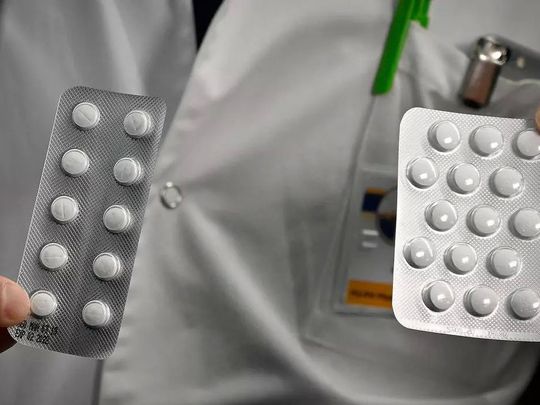
    Antimalarial medication is used to prevent and treat malaria.

    You should always consider taking antimalarial medicine when travelling to areas where there’s a risk of malaria. Visit your GP or local travel clinic for malaria advice as soon as you know when and where you’re going to be travelling.

    It’s very important to take the correct dose and finish the course of antimalarial treatment. If you’re unsure, ask your GP or pharmacist how long you should take your medication for.

    Preventing malaria

    It’s usually recommended you take antimalarial tablets if you’re visiting an area where there’s a malaria risk as they can reduce your risk of malaria by about 90%.

    The type of antimalarial tablets you will be prescribed is based on the following information:

    • where you’re going
    • any relevant family medical history
    • your medical history, including any allergies to medication
    • any medication you’re currently taking
    • any problems you’ve had with antimalarial medicines in the past
    • your age
    • whether you’re pregnant

    You may need to take a short trial course of antimalarial tablets before travelling. This is to check that you don’t have an adverse reaction or side effects. If you do, alternative antimalarials can be prescribed before you leave.

    Types of antimalarial medication

    The main types of antimalarials used to prevent malaria are described below.

    Atovaquone plus proguanil

    • Dosage – the adult dose is 1 adult-strength tablet a day. Child dosage is also once a day, but the amount depends on the child’s weight. It should be started 1 or 2 days before your trip and taken every day you’re in a risk area, and for 7 days after you return.
    • Recommendations – a lack of clear evidence means this antimalarial shouldn’t be taken by pregnant or breastfeeding women. It’s also not recommended for people with severe kidney problems.
    • Possible side effects – stomach upset, headaches, skin rash and mouth ulcers.
    • Other factors – it can be more expensive than other antimalarials, so may be more suitable for short trips.

    Doxycycline (also known as Vibramycin-D)

    • Dosage – the dose is 100mg daily as a tablet or capsule. You should start the tablets 2 days before you travel and take them each day you’re in a risk area, and for 4 weeks after you return.
    • Recommendations – not normally recommended for pregnant or breastfeeding women, but your GP will advise. Not recommended for children under the age of 12 (because of the risk of permanent tooth discolouration), people who are sensitive to tetracycline antibiotics, or people with liver problems.
    • Possible side effects – stomach upset, heartburn, thrush, and sunburn as a result of light sensitivity. It should always be taken with food, preferably when standing or sitting.
    • Other factors – it is relatively cheap. If you take doxycycline for acne, it will also provide protection against malaria as long as you’re taking an adequate dose. Ask your GP.

    Mefloquine (also known as Lariam)

    • Dosage – the adult dose is 1 tablet weekly. Child dosage is also once a week, but the amount will depend on their weight. It should be started 3 weeks before you travel and taken all the time you’re in a risk area, and for 4 weeks after you get back.
    • Recommendations – it’s not recommended if you have epilepsy, seizures, depression or other mental health problems, or if a close relative has any of these conditions. It’s not usually recommended for people with severe heart or liver problems.
    • Possible side effects – dizziness, headache, sleep disturbances (insomnia and vivid dreams) and psychiatric reactions (anxiety, depression, panic attacks and hallucinations). It’s very important to tell your doctor about any previous mental health problems, including mild depression. Don’t take this medication if you have a seizure disorder.
    • Other factors – if you haven’t taken mefloquine before, it’s recommended you do a 3-week trial before you travel to see whether you develop any side effects.

    Chloroquine and proguanil

    A combination of antimalarial medications called chloroquine and proguanil is also available, although these are rarely recommended nowadays because they’re largely ineffective against the most common and dangerous type of malaria parasite, Plasmodium falciparum.

    However, chloroquine and proguanil may occasionally be recommended for certain destinations where the Plasmodium falciparum parasite is less common than other types, such as India and Sri Lanka.

    Treating malaria

    If malaria is diagnosed and treated promptly, a full recovery can be expected. Treatment should be started as soon as a blood test confirms malaria.

    Many of the same antimalarial medicines used to prevent malaria can also be used to treat the disease. However, if you’ve taken an antimalarial to prevent malaria, you shouldn’t take the same one to treat it. This means it’s important to tell your doctor the name of the antimalarials you took.

    The type of antimalarial medicine and how long you need to take it will depend on:

    • the type of malaria you have
    • where you caught malaria
    • the severity of your symptoms
    • whether you took preventative antimalarial tablets
    • your age
    • whether you’re pregnant

    Your doctor may recommend using a combination of different antimalarials to overcome strains of malaria that have become resistant to single types of medication.

    Antimalarial medication is usually given as tablets or capsules. If someone is very ill, it will be given through a drip into a vein in the arm (intravenously) in hospital.

    Treatment for malaria can leave you feeling very tired and weak for several weeks.

    Emergency standby treatment

    In some cases, you may be prescribed emergency standby treatment for malaria before you travel. This is usually if there’s a risk of you becoming infected with malaria while travelling in a remote area with little or no access to medical care.

    Examples of emergency standby medications include:

    • atovaquone with proguanil
    • artemether with lumefantrine
    • quinine plus doxycycline
    • quinine plus clindamycin

    Your GP may decide to seek advice from a travel health specialist before prescribing standby emergency treatment.

    Read more about standby emergency treatment for malaria.

    Antimalarials in pregnancy

    If you’re pregnant, it’s advisable to avoid travelling to areas where there’s a risk of malaria.

    Pregnant women have an increased risk of developing severe malaria, and both the baby and mother could experience serious complications.

    It’s very important to take the right antimalarial medicine if you’re pregnant and unable to postpone or cancel your trip to an area where there’s a malaria risk.

    Some of the antimalarials used to prevent and treat malaria are unsuitable for pregnant women because they can cause side effects for both mother and baby.

    The list below outlines which medications are safe or unsafe to use while pregnant:

    • Mefloquine – not usually prescribed during the first trimester of pregnancy, or if pregnancy is a possibility during the first 3 months after preventative antimalarial medication is stopped. This is a precaution, even though there’s no evidence to suggest mefloquine is harmful to an unborn baby.
    • Doxycycline – never recommended for pregnant or breastfeeding women as it could harm the baby.
    • Atovaquone plus proguanil – not generally recommended during pregnancy or breastfeeding because research into the effects is limited. However, if the risk of malaria is high, they may be recommended if there’s no suitable alternative.

    Chloroquine combined with proguanil is suitable during pregnancy, but it is rarely used as it’s not very effective against the most common and dangerous type of malaria parasite.

  • Antihistamines

    Antihistamines

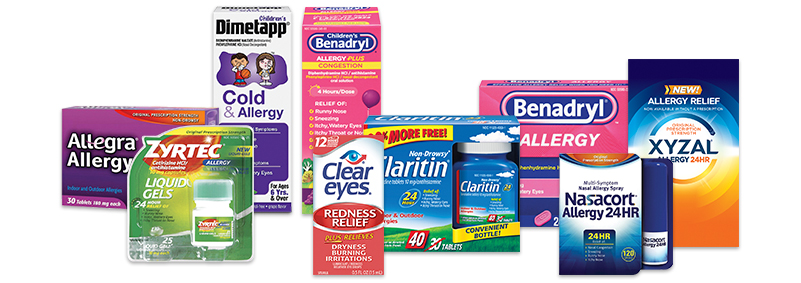
    Antihistamines are medicines often used to relieve symptoms of allergies, such as hay fever, hives, conjunctivitis and reactions to insect bites or stings.

    They’re also sometimes used to prevent motion sickness and as a short-term treatment for insomnia.

    Most antihistamines can be bought from pharmacies and shops, but some are only available on prescription.

    Types of antihistamine

    There are many types of antihistamine.

    They’re usually divided into 2 main groups:

    • antihistamines that make you feel sleepy – such as chlorphenamine (including Piriton), hydroxyzine and promethazine
    • non-drowsy antihistamines that are less likely to make you feel sleepy – such as cetirizine, fexofenadine and loratadine

    They also come in several different forms – including tablets, capsules, liquids, syrups, creams, lotions, gels, eyedrops and nasal sprays.

    Which type is best?

    There’s not much evidence to suggest any particular antihistamine is better than any other at relieving allergy symptoms.

    Some people find certain types work well for them and others do not. You may need to try several types to find one that works for you.

    Non-drowsy antihistamines are generally the best option, as they’re less likely to make you feel sleepy. But types that make you feel sleepy may be better if your symptoms stop you sleeping.

    Ask a pharmacist for advice if you’re unsure which medicine to try as not all antihistamines are suitable for everyone.

    How to take antihistamines

    Take your medicine as advised by the pharmacist or doctor, or as described in the leaflet that comes with it.

    Before taking an antihistamine, you should know:

    • how to take it – including whether it needs to be taken with water or food, or how to use it correctly (if eyedrops or a nasal spray)
    • how much to take (the dose) – this can vary depending on things such as your age and weight
    • when to take it – including how many times a day you can take it and when to take it (some types should be taken before bedtime)
    • how long to take it for – some types can be used for a long time, but some are only recommended for a few days
    • what to do if you miss a dose or take too much (overdose)

    The advice varies depending on the exact medicine you’re taking. If you’re not sure how to take your medicine, ask a pharmacist.

    Side effects of antihistamines

    Like all medicines, antihistamines can cause side effects.

    Side effects of antihistamines that make you drowsy can include:

    • sleepiness (drowsiness) and reduced co-ordination, reaction speed and judgement – do not drive or use machinery after taking these antihistamines
    • dry mouth
    • blurred vision
    • difficulty peeing

    Side effects of non-drowsy antihistamines can include:

    • headache
    • dry mouth
    • feeling sick
    • drowsiness – although this is less common than with older types of antihistamines

    Check the leaflet that comes with your medicine for a full list of possible side effects and advice about when to get medical help.

    If you think your medicine has caused an unwanted side effect, you can report it through the Yellow Card Scheme.

    Taking antihistamines with other medicines, food or alcohol

    Speak to a pharmacist or GP before taking antihistamines if you’re already taking other medicines.

    There may be a risk the medicines do not mix, which could stop either from working properly or increase the risk of side effects.

    Examples of medicines that could cause problems if taken with antihistamines include some types of:

    • antidepressants
    • stomach ulcer or indigestion medicines
    • cough and cold remedies that also contain an antihistamine

    Try not to drink alcohol while taking an antihistamine, particularly if it’s a type that makes you drowsy, as it can increase the chances of it making you feel sleepy.

    Food and other drinks do not affect most antihistamines, but check the leaflet that comes with your medicine to make sure.

    Who can take antihistamines

    Most people can safely take antihistamines.

    But speak to a pharmacist or GP for advice if you:

    • are pregnant – read about taking hay fever medicines in pregnancy
    • are breastfeeding – read about taking hay fever medicines while breastfeeding
    • are looking for a medicine for a young child
    • are taking other medicines
    • have an underlying health condition, such as heart disease, liver disease, kidney disease or epilepsy

    Some antihistamines may not be suitable in these cases. A pharmacist or doctor can recommend one that’s best for you.

    Always read the leaflet that comes with your medicine to check it’s safe for you before taking it or giving it to your child.

    How antihistamines work

    Antihistamines block the effects of a substance called histamine in your body.

    Histamine is normally released when your body detects something harmful, such as an infection. It causes blood vessels to expand and the skin to swell, which helps protect the body.

    But in people with allergies, the body mistakes something harmless – such as pollen, animal hair or house dust – for a threat and produces histamine. The histamine causes an allergic reaction with unpleasant symptoms including itchy, watering eyes, a running or blocked nose, sneezing and skin rashes.

    Antihistamines help stop this happening if you take them before you come into contact with the substance you’re allergic to. Or they can reduce the severity of symptoms if you take them afterwards.

  • Antifungals

    Antifungals

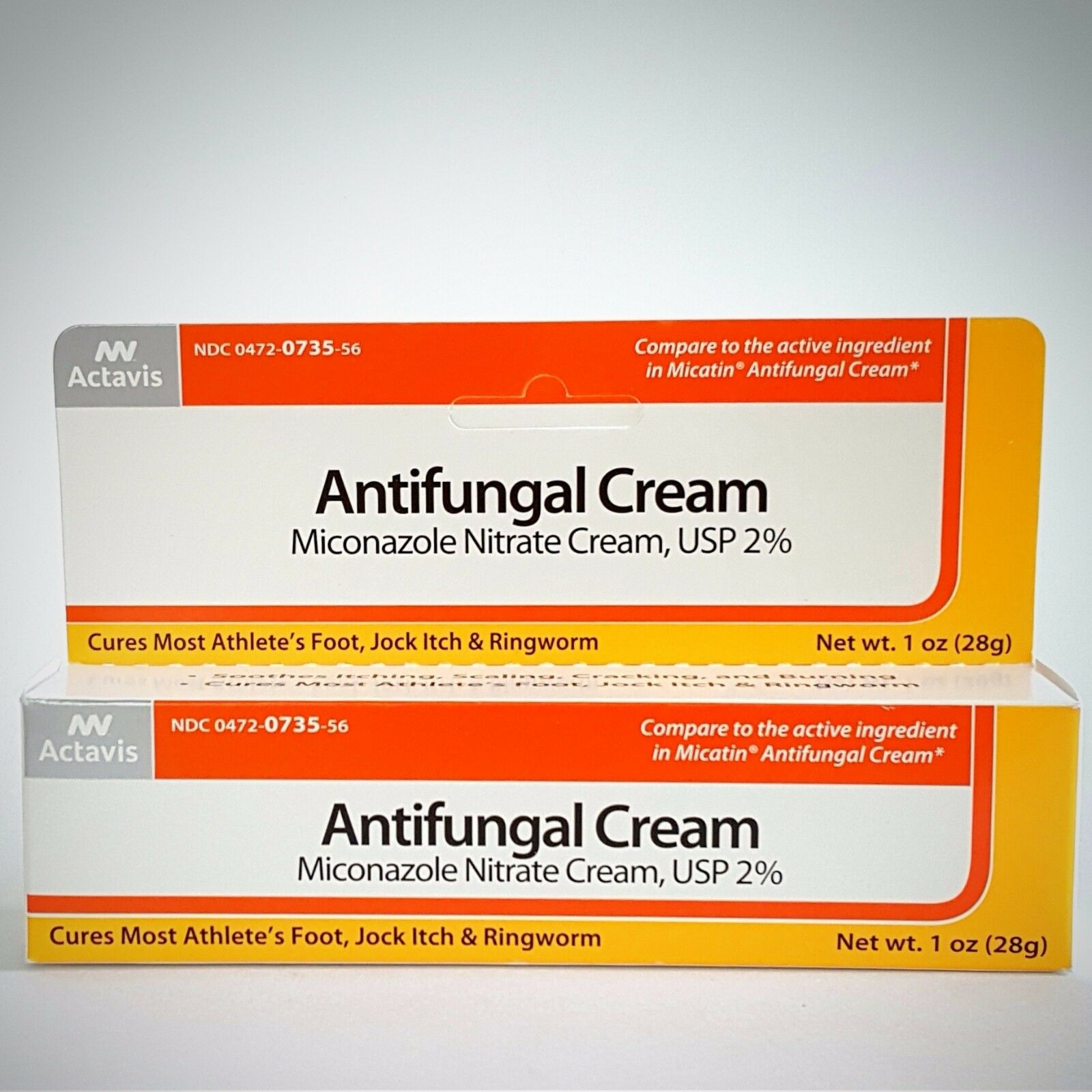
    Antifungal medicines are used to treat fungal infections, which most commonly affect your skin, hair and nails.

    You can get some antifungal medicines over the counter from your pharmacy, but you may need a prescription from your GP for other types.

    Infections antifungals can treat

    Fungal infections commonly treated with antifungals include:

    • ringworm
    • athlete’s foot
    • fungal nail infection
    • vaginal thrush
    • some kinds of severe dandruff

    Less commonly, there are also more serious fungal infections that develop deep inside the body tissues, which may need to be treated in hospital.

    Examples include:

    • aspergillosis, which affects the lungs
    • fungal meningitis, which affects the brain

    You’re more at risk of getting one of these more serious fungal infections if you have a weakened immune system – for example, if you’re taking medicines to suppress your immunity.

    Types of antifungal medicines

    Antifungal medicines are available as:

    • topical antifungals – a cream, gel, ointment or spray you can apply directly to your skin, hair or nails
    • oral antifungals – a capsule, tablet or liquid medicine that you swallow
    • intravenous antifungals – an injection into a vein in your arm, usually given in hospital
    • intravaginal antifungal pessaries – small, soft tablets you can insert into the vagina

    Some common names for antifungal medicines include:

    • clotrimazole
    • econazole
    • miconazole
    • terbinafine
    • fluconazole
    • ketoconazole
    • amphotericin

    How antifungal medicines work

    Antifungal medicines work by either:

    • killing the fungal cells – for example, by affecting a substance in the cell walls, causing the contents of the fungal cells to leak out and the cells to die
    • preventing the fungal cells growing and reproducing

    When to see a pharmacist or GP

    See a pharmacist or GP if you think you have a fungal infection. They will advise you on which antifungal medicine to take and how to take or use it. See below for some questions you may want to ask them.

    The patient information leaflet that comes with your medicine will also contain advice on using your medicine.

    Speak to your pharmacist or GP if you accidentally take too much of your antifungal medicine. You may be advised to visit your nearest hospital’s accident and emergency (A&E) department if you’ve taken excessive amounts.

    If you’re advised to go to hospital, take the medicine’s packaging with you so the healthcare professionals who treat you know what you’ve taken.

    Things to consider when using antifungal drugs

    Before taking antifungal medicines, speak to a pharmacist or your GP about:

    • any existing conditions or allergies that may affect your treatment for fungal infection
    • the possible side effects of antifungal medicines
    • whether the antifungal medicine may interact with other medicines you may already be taking (known as drug interactions)
    • whether your antifungal medicine is suitable to take during pregnancy or while breastfeeding – many aren’t suitable

    You can also check the patient information leaflet that comes with your antifungal medicine for more information.

    Side effects of antifungal medicines

    Your antifungal medicine may cause side effects. These are usually mild and only last for a short period of time.

    They can include:

    • itching or burning
    • redness
    • feeling sick
    • tummy (abdominal) pain
    • diarrhoea
    • a rash

    Occasionally, your antifungal medicine may cause a more severe reaction, such as:

    • an allergic reaction – your face, neck or tongue may swell and you may have difficulty breathing
    • a severe skin reaction – such as peeling or blistering skin
    • liver damage (occurs very rarely) – you may experience loss of appetite, vomiting, nausea, jaundice, dark urine or pale faeces, tiredness or weakness

    Stop using the medicine if you have these severe side effects, and see your GP or pharmacist to find an alternative.

    If you’re having difficulty breathing, visit the accident and emergency (A&E) department of your nearest hospital or call 999 for an ambulance.

    Reporting side effects

    If you suspect that a medicine has made you unwell, you can report this side effect through the Yellow Card Scheme.

    The scheme is run by a medicines safety watchdog called the Medicines and Healthcare Products Regulatory Agency (MHRA).

    Antifungal medicines for children

    Some antifungal medicines can be used on children and babies – for example, miconazole oral gel can be used to treat oral thrush in babies.

    But different doses are usually needed for children of different ages

  • Antacids

    Antacids

    Antacids are medicines that counteract (neutralise) the acid in your stomach to relieve indigestion and heartburn.

    They come as a liquid or chewable tablets and can be bought from pharmacies and shops without a prescription.

    When antacids are used

    Antacids may help if you have:

    • indigestion
    • heartburn or acid reflux – also known as gastro-oesophageal reflux disease (GORD)
    • a stomach ulcer
    • gastritis (inflammation of the stomach lining) 

    They can quickly relieve your symptoms for a few hours. But they do not treat the underlying cause and long-term use is not recommended.

    Speak to a GP if you find you need to take antacids regularly.

    Common types of antacids

    Many different types of antacid are available. Some are sold under a brand name and others are named after their main ingredient.

    Ingredients to look for include:

    • aluminium hydroxide
    • magnesium carbonate
    • magnesium trisilicate
    • magnesium hydroxide
    • calcium carbonate
    • sodium bicarbonate

    Some antacids also contain other medicines, such as an alginate (which coats your gullet with a protective layer) and simeticone (which reduces flatulence).

    How and when to take antacids

    Check the instructions on the packet or leaflet to see how much antacid to take and how often. This depends on the exact medicine you’re taking.

    Antacids should be used when you have symptoms or think you will get them soon – for most people, the best time to take them is with or soon after meals, and just before going to bed.

    Remember that doses for children may be lower than for adults.

    Contact a GP or pharmacist, or call NHS 111, if you take too much of the medicine and start to feel unwell.

    Taking antacids with food, alcohol and other medicines

    It’s best to take antacids with food or soon after eating because this is when you’re most likely to get indigestion or heartburn.

    The effect of the medicine may also last longer if taken with food.

    Antacids can affect how well other medicines work, so do not take other medicines within 2 to 4 hours of taking an antacid.

    You can drink alcohol while taking antacids, but alcohol can irritate your stomach and make your symptoms worse.

    Side effects of antacids

    Antacids do not usually have many side effects if they’re only taken occasionally and at the recommended dose.

    But sometimes they can cause:

    • diarrhoea or constipation
    • flatulence (wind)
    • stomach cramps
    • feeling sick or vomiting

    These should pass once you stop taking the medicine.

    Speak to a pharmacist or a GP if side effects do not improve or are troublesome. You may need to switch to another medicine.

    Who may not be able to take antacids

    Antacids are safe for most people to take, but they’re not suitable for everyone.

    Speak to a pharmacist or a GP for advice first if you:

    • are pregnant or breastfeeding – most antacids are considered safe to take while pregnant or breastfeeding, but always get advice first
    • are looking for a medicine for a child under 12 years of age – some antacids are not recommended for children
    • have liver disease, kidney disease or heart failure – some antacids may not be safe if you have one of these problems
    • have an illness that means you need to control how much salt (sodium) is in your diet, such as high blood pressure or cirrhosis – some antacids contain high levels of sodium, which could make you unwell
    • are taking other medicines – antacids can interfere with other medicines and may need be avoided or taken at a different time