Blog

  • NHS Electronic Prescription Registration

    NHS Electronic Prescription Registration

    A new way to get your medicines and appliances

    The Electronic Prescription Service (EPS) is an NHS Service. It gives you the chance to change how your GP sends your prescription to the place you choose to get your medicines or appliances from.

    What does this mean for you?

    • If you collect your repeat prescriptions from your GP you will not have to visit your GP practice to pick up your paper prescription. Instead, your GP will send it electronically to the place you choose, saving you time.
    • You will have more choice about where to get your medicines from because they can be collected from a pharmacy near to where you live, work or shop.
    • You may not have to wait as long at the pharmacy as there will be time for your repeat prescriptions to be ready before you arrive.

    Is this service right for you?

    Yes, if you have a stable condition and you:

    • don’t want to go to your GP practice every time to collect your repeat prescription.
    • collect your medicines from the same place most of the time or use a prescription collection service now.

    It may not be if you:

    • don’t get prescriptions very often.
    • pick up your medicines from different places.

    How can you use EPS?

    You need to choose a place for your GP practice to electronically send your prescription to. This is called nomination. You can choose:

    • A pharmacy.
    • A dispensing appliance contractor (if you use one).
    • your dispensing GP practice (if you are eligible).

    Ask any pharmacy or dispensing appliance contractor that offers EPS or your GP practice to add your nomination for you. You don’t need a computer to do this.

    Can I change my nomination or cancel it and get a paper prescription?

    Yes you can. If you don’t want your prescription to be sent electronically tell your GP. If you want to change or cancel your nomination speak to any pharmacist or dispensing appliance contractor that offers EPS, or your GP practice. Tell them before your next prescription is due or your prescription may be sent to the wrong place.

    Is EPS reliable, secure and confidential?

    Yes. Your electronic prescription will be seen by the same people in GP practices, pharmacies and NHS prescription payment and fraud agencies that see your paper prescription now.

    Sometimes dispensers may see that you have nominated another dispenser.For example, if you forget who you have nominated and ask them to check or, if you have nominated more than one dispenser.

    Benefits to You.

    • If you get a repeat prescription, you will not have to spend your time going to your GP practice each time to pick up your paper prescription. Instead your GP will send it automatically to the place you choose, with less chance of it getting lost.
    • Nearly all pharmacies will be connected to the service, so you will be able to get your medicines from any pharmacy you choose – whether it’s near home, work or the shops.
    • You may not have to wait as long for your prescription items, as often there will be time to get your repeat prescription items ready before you arrive. If any of the medicines on your prescription are out of stock when the pharmacist receives your prescription, they can be ordered in ready for you.
  • NHS Community Dosage Systems

    NHS Community Dosage Systems

    The community dosage system is a service for those patients who take a large number of medications or who can’t remember to take their medications on time due to their conditions or circumstance. The pharmacy will put your medication in a weekly pack which is easy to follow, allowing better compliance and safe administration of medicines.

    This service is being used by many of the elderly population to help manage complex medicine regimes. This is an important tool that enhances medicine adherence and helps patients manage their medicine effectively. As a Pharmacy team, we understand how important it is to take medicine on time and not miss any doses which is why we can help organise weekly pill trays for those who require them and deliver them to the patients on a weekly basis. This will help prevent medicine wastage and overdosage in some patients.

    The pharmacy will assess your eligibility for this service with you or your carer and the prescriber in some cases. Please speak to a member of staff about if you are interested in this service.

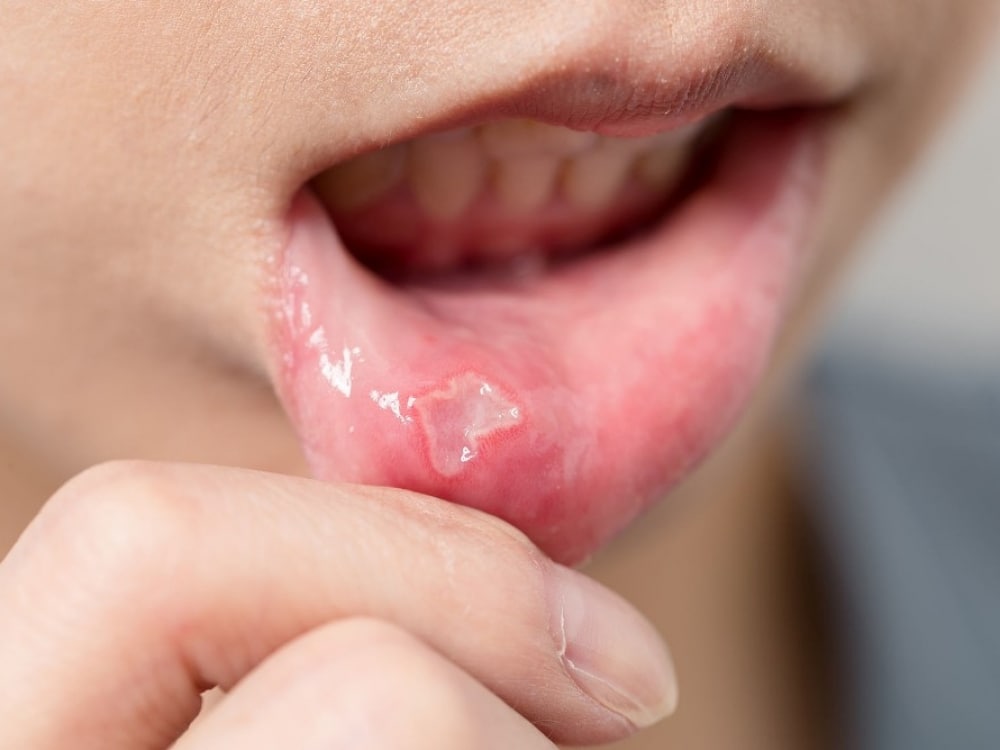
  • Mouth Ulcers

    Mouth Ulcers

    Mouth ulcers are common and should clear up on their own within a week or 2. They’re rarely a sign of anything serious, but may be uncomfortable to live with.

    How you can treat mouth ulcers yourself

    Mouth ulcers need time to heal and there’s no quick fix.

    Avoiding things that irritate your mouth ulcer should help:

    • speed up the healing process
    • reduce pain
    • reduce the chance of it returning

    Do

    • use a soft-bristled toothbrush
    • drink cool drinks through a straw
    • eat softer foods
    • get regular dental check-ups
    • eat a healthy, balanced diet

    Don’t

    • do not eat very spicy, salty or acidic food
    • do not eat rough, crunchy food, such as toast or crisps
    • do not drink very hot or acidic drinks, such as fruit juice
    • do not use chewing gum
    • do not use toothpaste containing sodium lauryl sulphate

    A pharmacist can help with mouth ulcers

    A pharmacist can recommend a treatment to speed up healing, prevent infection or reduce pain, such as:

    • antimicrobial mouthwash
    • a painkilling mouthwash, gel or spray
    • corticosteroid lozenges

    You can buy these without a prescription, but they may not always work.

    See a dentist or GP if your mouth ulcer:

    • lasts longer than 3 weeks
    • keeps coming back
    • becomes more painful and red – this may be a sign of an infection

    Although most mouth ulcers are harmless, a long-lasting mouth ulcer is sometimes a sign of mouth cancer. It’s best to get it checked.

    Treatment from a dentist or GP

    Your GP or dentist may prescribe stronger medication to treat severe, recurrent or infected mouth ulcers.

    Check if you have a mouth ulcer

    Mouth ulcers usually appear inside the mouth, on the cheeks or lips.

    Ulcers can also appear on the tongue.

    You may have more than 1 ulcer at a time and they can change in size.

    Mouth ulcers are not contagious and should not be confused with cold sores.

    Cold sores appear on the lips or around the mouth and often begin with a tingling, itching or burning sensation.

    If you have several mouth ulcers, this can be a symptom of:

    • hand, foot and mouth disease, which also causes a rash on the hands and feet
    • oral lichen planus, which causes a white, lacy pattern inside the cheeks

    You cannot always prevent mouth ulcers

    Most single mouth ulcers are caused by things you can try to avoid, such as:

    • biting the inside of your cheek
    • badly fitting dentures, braces, rough fillings or a sharp tooth
    • cuts or burns while eating or drinking – for example, hard food or hot drinks
    • a food intolerance or allergy
    • damaging your gums with a toothbrush or irritating toothpaste
    • feeling tired, stressed or anxious

    Sometimes they’re triggered by things you cannot always control, such as:

    • hormonal changes – such as during pregnancy
    • your genes – some families get mouth ulcers more often
    • a long-term condition – such as inflammatory bowel disease (IBD), coeliac disease or Behçet’s disease
    • a vitamin B12 or iron deficiency
    • medicines – including some NSAIDs, beta blockers or nicorandil
    • stopping smoking – people may develop mouth ulcers when they first stop smoking
  • Motion Sickness

    Motion Sickness

    Motion sickness is feeling sick when travelling by car, boat, plane or train. You can do things to prevent it or relieve the symptoms.

    How to ease motion sickness yourself

    Do

    • minimise motion – sit in the front of a car or in the middle of a boat
    • look straight ahead at a fixed point, such as the horizon
    • breathe fresh air if possible – for example, by opening a car window
    • close your eyes and breathe slowly while focusing on your breathing
    • distract children by talking, listening to music or singing songs
    • break up long journeys to get some fresh air, drink water or take a walk
    • try ginger, which you can take as a tablet, biscuit or tea

    Don’t

    • do not read, watch films or use electronic devices
    • do not look at moving objects, such as passing cars or rolling waves
    • do not eat heavy meals, spicy foods or drink alcohol shortly before or during travel
    • do not go on fairground rides if they make you feel unwell

    A pharmacist can help with motion sickness

    You can buy medication from pharmacies to prevent motion sickness, including:

    • tablets – dissolvable tablets are available for children
    • patches – can be used by adults and children over 10
    • acupressure bands – these do not work for everyone

    Your pharmacist will be able to recommend the best treatment for you or your child.

    Causes of motion sickness

    Motion sickness is caused by repeated movements when travelling, like going over bumps in a car or moving up and down in a boat.

    The inner ear sends different signals to your brain from those your eyes are seeing. These confusing messages cause you to feel unwell.

  • Migraine Relief

    Migraine Relief

    WHAT IS A MIGRAINE?

    Migraines are common conditions affecting around one in five women and up to 6 per cent of men. They can be loosely described as severe headaches involving a throbbing pain in the front or side of the head. A migraine sufferer often finds these headaches to be a recurring, debilitating problem.

    25 million days of school and work are lost every year in the UK due to migraines, costing the UK economy somewhere in the region of £2.25 billion.

    HOW IS A MIGRAINE DIFFERENT TO A HEADACHE?

    There is a common misconception that migraines are nothing more than intense headaches. In reality, a migraine is a complex neurological affliction which is recognised by the World Health Organisation as one of the most disabling lifestyle conditions.

    Migraine pain is often concentrated in one side of the head, and is sometimes preceded by visual or sensory disturbances such as flashing lights or blurred vision. Migraines can last for hours or even days at a time.

    As well as severe head pain, symptoms of migraines can include:

    • Heightened sensitivity to noise, bright lights and strong fragrances
    • Nausea, queasiness and sometimes even vomiting
    • An inability to carry out normal daily activities, often because sufferers feel the need to lie in a dark, cool room
    • Neck and shoulder stiffness

    Feelings of exhaustion can stay with migraine sufferers for days after the head pain itself has subsided.

    WHAT CAUSES MIGRAINES?

    There is no one specific cause for migraines and scientists do not yet know precisely why they have such an impact on some people. However, a range of factors have been identified as triggers for migraines, including light, noise, reactions to food and dehydration. Other factors might include prolonged stress, insomnia, general inactivity and overexposure to screens on devices like computers, smartphones and televisions.

    Migraines are thought to be the result of abnormal brain activity temporarily altering nerve signals, chemicals and circulation through blood vessels. There is evidence to suggest that genetics may make you more likely to experience migraines as the result of a specific trigger.

    Lifestyle aspects such as alcohol consumption, poor diet, poor posture and low blood sugar can all make you more susceptible.

    HOW DO YOU TREAT MIGRAINES?

    Despite these severe triggers and symptoms, many people still see migraines as an untreatable, even unavoidable condition. They see these headaches as just “something you have to live with”, but this isn’t true. Pain is the body’s way of telling you something is wrong.

    Practising self-care can help tackle migraine symptoms through gentle stretches and exercises, improving your diet, drinking plenty of fluids and taking time away from screens in order to experience some fresh air.

    Medication is also an effective form of migraine relief, and there are several medications on the market that pharmacists can prescribe to sufferers. Imigran is the leading brand when it comes to migraine relief medication, but there now several alternatives such as Sumatriptan, Zolmitriptan and Rizatriptan.

  • Menopause

    Menopause

    The menopause is when a woman stops having periods and is no longer able to get pregnant naturally.

    Periods usually start to become less frequent over a few months or years before they stop altogether. Sometimes they can stop suddenly.

    The menopause is a natural part of ageing that usually occurs between 45 and 55 years of age, as a woman’s oestrogen levels decline. In the UK, the average age for a woman to reach the menopause is 51.

    But around 1 in 100 women experience the menopause before 40 years of age. This is known as premature menopause or premature ovarian insufficiency.

    Symptoms of the menopause

    Most women will experience menopausal symptoms. Some of these can be quite severe and have a significant impact on your everyday activities.

    Common symptoms include:

    • hot flushes
    • night sweats
    • vaginal dryness and discomfort during sex
    • difficulty sleeping
    • low mood or anxiety
    • reduced sex drive (libido)
    • problems with memory and concentration

    Menopausal symptoms can begin months or even years before your periods stop and last around 4 years after your last period, although some women experience them for much longer.

    When to see a GP

    It’s worth talking to a GP if you have menopausal symptoms that are troubling you or if you’re experiencing symptoms of the menopause before 45 years of age.

    They can usually confirm whether you’re menopausal based on your symptoms, but a blood test to measure your hormone levels may be carried out if you’re under 45.

    Treatments for menopausal symptoms

    Your GP can offer treatments and suggest lifestyle changes if you have severe menopausal symptoms that interfere with your day-to-day life.

    These include:

    • hormone replacement therapy (HRT) – tablets, skin patches, gels and implants that relieve menopausal symptoms by replacing oestrogen
    • vaginal oestrogen creams, lubricants or moisturisers for vaginal dryness
    • cognitive behavioural therapy (CBT) – a type of talking therapy that can help with low mood and anxiety
    • eating a healthy, balanced diet and exercising regularly – maintaining a healthy weight and staying fit and strong can improve some menopausal symptoms

    Your GP may refer you to a menopause specialist if your symptoms do not improve after trying treatment or if you’re unable to take HRT.

    What causes the menopause?

    The menopause is caused by a change in the balance of the body’s sex hormones, which occurs as you get older.

    It happens when your ovaries stop producing as much of the hormone oestrogen and no longer release an egg each month.

    Premature or early menopause can occur at any age, and in many cases there’s no clear cause.

    Sometimes it’s caused by a treatment such as surgery to remove the ovaries (oophorectomy), some breast cancer treatments, chemotherapy or radiotherapy, or it can be brought on by an underlying condition, such as Down’s syndrome or Addison’s disease.

    Not all women want treatment to relieve symptoms of the menopause, but treatments are available if you find the symptoms particularly troublesome.

    The main treatment for menopausal symptoms is hormone replacement therapy (HRT), although other treatments are also available for some of the symptoms.

    Hormone replacement therapy (HRT)

    HRT involves taking oestrogen to replace the decline in your body’s own levels around the time of the menopause. This can relieve many of the associated symptoms.

    National Institute for Health and Care Excellence (NICE) guidelines state that HRT is effective and should be offered to women with menopausal symptoms, after discussing the risks and benefits.

    There are two main types of HRT:

    • combined HRT (oestrogen and progestogen) – for women with menopausal symptoms who still have their womb (oestrogen taken on its own can otherwise increase your risk of womb cancer)
    • oestrogen-only HRT – for women who have had their womb removed in a hysterectomy

    HRT is available as tablets, skin patches, a gel to rub into the skin or implants.

    HRT is extremely effective at relieving menopausal symptoms, especially hot flushes and night sweats, but there are a number of side effects, including breast tenderness, headaches and vaginal bleeding. It’s also associated with an increased risk of blood clots and breast cancer in some women.

    HRT is not advisable for some women, such as those who have had certain types of breast cancer or are at high risk of getting breast cancer.

    Your GP can give you more information about the risks and benefits of HRT to help you decide whether or not you want to take it.

    Read more about HRT.

    Hot flushes and night sweats

    If you experience hot flushes and night sweats as a result of the menopause, simple measures may sometimes help, such as:

    • wearing light clothing
    • keeping your bedroom cool at night
    • taking a cool shower, using a fan or having a cold drink
    • trying to reduce your stress levels
    • avoiding potential triggers, such as spicy food, caffeine, smoking and alcohol
    • taking regular exercise and losing weight if you’re overweight

    If the flushes and sweats are frequent or severe, your GP may suggest taking HRT.

    If HRT isn’t suitable for you, or you would prefer not to have it, your GP may recommend other medications that can help, such as clonidine (a high blood pressure medicine) or certain antidepressants.

    These medications can cause unpleasant side effects, so it’s important to discuss the risks and benefits with your doctor before starting treatment.

    Mood changes

    Some women experience mood swings, low mood and anxiety around the time of the menopause.

    Self-help measures such as getting plenty of rest, taking regular exercise and doing relaxing activities such as yoga and tai chi may help. Medication and other treatments are also available, including HRT and cognitive behavioural therapy (CBT).

    CBT is a type of talking therapy that can improve low mood and feelings of anxiety. Your GP may be able to refer you for CBT on the NHS, or recommend self-help options such as online CBT courses.

    Antidepressants may help if you’ve been diagnosed with depression.

    Reduced sexual desire

    It’s common for women to lose interest in sex around the time of the menopause, but HRT can often help with this. If HRT isn’t effective, you might be offered a testosterone supplement.

    Testosterone is the male sex hormone, but it can help to restore sex drive in menopausal women. It’s not currently licensed for use in women, although it can be prescribed by a doctor if they think it might help.

    Possible side effects of testosterone supplements include acne and unwanted hair growth.

    Read more about loss of libido and female sexual problems.

    Vaginal dryness and discomfort

    If your vagina becomes dry, painful or itchy as a result of the menopause, your GP can prescribe oestrogen treatment that’s put directly into your vagina as a pessary, cream or vaginal ring.

    This can safely be used alongside HRT.

    You’ll usually need to use vaginal oestrogen indefinitely, as your symptoms are likely to return when treatment stops. However, side effects are very rare.

    You can also use over-the-counter vaginal moisturisers or lubricants in addition to, or instead of, vaginal oestrogen.

    Read more about vaginal dryness and sex as you get older.

    Weak bones

    Women who have been through the menopause are at an increased risk of developing osteoporosis (weak bones) as a result of the lower level of oestrogen in the body.

    You can reduce your chances of developing osteoporosis by:

    • taking HRT – HRT can help to prevent osteoporosis, although this effect doesn’t tend to last after treatment stops
    • exercising regularly – including weight-bearing and resistance exercises
    • eating a healthy diet that includes plenty of fruit, vegetables and sources of calcium, such as low-fat milk and yoghurt
    • getting some sunlight – sunlight on your skin triggers the production of vitamin D, which can help to keep your bones strong
    • stopping smoking and cutting down on alcohol
    • taking calcium and/or vitamin D supplements if you don’t feel you’re getting enough of these – discuss this with your GP

    Read more about menopause and bone health and preventing osteoporosis.

    Follow-up appointments

    If you’re having treatment for your menopausal symptoms, you’ll need to return to your GP for a follow-up review after 3 months, and once a year after that.

    During your reviews, your GP may:

    • make sure your symptoms are under control
    • ask about any side effects and bleeding patterns
    • check your weight and blood pressure
    • review the type of HRT you’re taking and make any necessary changes
    • discuss when you could stop treatment and how this could be done

    Many women will need treatment for a few years, until most of their menopausal symptoms have passed.

    Complementary and alternative therapies

    Complementary and alternative treatments, such as herbal remedies and bioidentical (“natural”) hormones, aren’t recommended for symptoms of the menopause, because it’s generally unclear how safe and effective they are.

    Some remedies can also interact with other medications and cause side effects.

    Ask your GP or pharmacist for advice if you’re thinking about using a complementary therapy.

  • Lips (Sore or Dry)

    Lips (Sore or Dry)

    Dry or sore lips are a common problem, especially during hot or cold weather. There are things you can try yourself that may help.

    Things you can try yourself

    Do

    • use a lip balm containing petroleum jelly or beeswax – you can buy these at a pharmacy or supermarket
    • try a few different lip balms if one isn’t working for you – some people may be sensitive to some fragrances or ingredients
    • wash your hands before applying lip balm
    • use a lip balm with a sun protection factor (SPF) of 15 or more during hot weather
    • cover your lips with a scarf when you’re outside in cold weather
    • drink plenty of water to avoid becoming dehydrated

    Don’t

    • do not pick or bite any flaky skin on your lips – this can slow down healing
    • do not keep licking dry or cracked lips – this can make them sore
    • do not share lip balms with other people – this can spread germs

    A pharmacist can help with sore or dry lips

    A pharmacist can advise you about:

    • the best treatments for dry or sore lips
    • whether you need to see a GP

    See a GP if:

    • your lips are hot, painful, red and swollen – this could be a sign of infection
    • If your GP thinks you have an infected lip, they may prescribe an antibiotic or antifungal cream to treat the problem.

    If you have a small, fluid-filled blister on your lip, you may have a cold sore.

    Most people with cold sores get a tingling, burning or itching feeling on their lip before the blister appears.

  • Jet lag

    Jet lag

    Jet lag is when your normal sleep pattern is disturbed after a long flight. Symptoms usually improve within a few days as your body adjusts to the new time zone.

    Ways to reduce jet lag

    Jet lag cannot be prevented, but there are things you can do to reduce its effects.

    Before you travel

    Do

    • get plenty of rest
    • relax before going to bed and follow good sleep practices
    • gradually change your sleep routine – start going to bed and getting up an hour or two earlier or later than usual (in line with the time of your destination)

    Don’t

    • do not eat large meals, exercise, use electronic gadgets, or drink alcohol or caffeinated drinks before bedtime

    During your flight

    Do

    • drink plenty of water
    • sleep if it’s a normal time for sleeping at your destination
    • use an eye mask and earplugs if they help you sleep
    • keep active by stretching and regularly walking around the cabin

    Don’t

    • do not drink too much caffeine or alcohol – they can make jet lag worse

    After you arrive

    Do

    • change your sleep schedule to the new time zone as quickly as possible
    • set an alarm to avoid oversleeping in the morning
    • go outside during the day – natural light will help your body clock adjust

    Don’t

    • do not go to sleep until a reasonable hour for your new destination

    If your trip is short (2 to 3 days) it may be better to stay on “home time”.

    If possible, eat and sleep at the times you would at home.

    There’s no treatment for jet lag

    Medicines are not usually needed for jet lag.

    Symptoms often improve after a few days as your body clock adjusts to the new time zone.

    Sleeping tablets may be helpful if you’re having problems sleeping (insomnia). They can be addictive so should only be used for a short time and if symptoms are severe.

    Melatonin is a chemical released by the body in the evening to let your brain know it’s time to sleep. Melatonin supplements are not recommended for jet lag because there is not enough evidence to show they work.

    Symptoms of jet lag

    The main symptoms are sleep-related. They include:

    • difficulty sleeping at bedtime and waking up in the morning
    • tiredness and exhaustion
    • finding it difficult to stay awake during the day
    • poor sleep quality
    • concentration and memory problems

    Jet lag can also be associated with indigestion, constipation, diarrhoea and bloating.

  • Insomnia

    Insomnia

    Insomnia means you regularly have problems sleeping. It usually gets better by changing your sleeping habits.

    Check if you have insomnia

    You have insomnia if you regularly:

    • find it hard to go to sleep
    • wake up several times during the night
    • lie awake at night
    • wake up early and cannot go back to sleep
    • still feel tired after waking up
    • find it hard to nap during the day even though you’re tired
    • feel tired and irritable during the day
    • find it difficult to concentrate during the day because you’re tired

    You can have these symptoms for months, sometimes years.

    Do you have a sleep problem?

    Most people experience problems with sleep in their life. In fact, it’s thought that a third of Brits will have episodes of insomnia at some point.

    The causes can include physical conditions, psychological conditions (such as depression or anxiety) or a combination of both.

    Sleep self-assessment

    How much sleep you need

    Everyone needs different amounts of sleep.

    On average, we need:

    • adults: 7 to 9 hours
    • children: 9 to 13 hours
    • toddlers and babies: 12 to 17 hours

    You probably do not get enough sleep if you’re constantly tired during the day.

    What causes insomnia

    The most common causes are:

    • stress, anxiety or depression
    • noise
    • a room that’s too hot or cold
    • uncomfortable beds
    • alcohol, caffeine or nicotine
    • recreational drugs like cocaine or ecstasy
    • jet lag
    • shift work

    How you can treat insomnia yourself

    Insomnia usually gets better by changing your sleeping habits.

    Do

    • go to bed and wake up at the same time every day – only go to bed when you feel tired
    • relax at least 1 hour before bed – for example, take a bath or read a book
    • make sure your bedroom is dark and quiet – use thick curtains, blinds, an eye mask or ear plugs
    • exercise regularly during the day
    • make sure your mattress, pillows and covers are comfortable

    Don’t

    • do not smoke or drink alcohol, tea or coffee at least 6 hours before going to bed
    • do not eat a big meal late at night
    • do not exercise at least 4 hours before bed
    • do not watch television or use devices right before going to bed – the bright light makes you more awake
    • do not nap during the day
    • do not drive when you feel sleepy
    • do not sleep in after a bad night’s sleep – stick to your regular sleeping hours instead

    How a pharmacist can help with insomnia

    You can get sleeping aids from a pharmacy. But they will not get rid of your insomnia and they have many side effects.

    Sleeping aids can often make you drowsy the next day. You might find it hard to get things done.

    You should not drive the day after taking them.

    See a GP if:

    • changing your sleeping habits has not worked
    • you have had trouble sleeping for months
    • your insomnia is affecting your daily life in a way that makes it hard for you to cope

    Treatment from a GP

    A GP will try to find out what’s causing your insomnia so you get the right treatment.

    Sometimes you’ll be referred to a therapist for cognitive behavioural therapy (CBT).

    This can help you change the thoughts and behaviours that keep you from sleeping.

    GPs now rarely prescribe sleeping pills to treat insomnia. Sleeping pills can have serious side effects and you can become dependent on them.

    Sleeping pills are only prescribed for a few days, or weeks at the most, if:

    • your insomnia is very bad
    • other treatments have not worked
  • Infertility

    Infertility

    Infertility is when a couple cannot get pregnant (conceive) despite having regular unprotected sex.

    Around 1 in 7 couples may have difficulty conceiving.

    About 84% of couples will conceive naturally within a year if they have regular unprotected sex (every 2 or 3 days).

    For couples who have been trying to conceive for more than 3 years without success, the likelihood of getting pregnant naturally within the next year is 1 in 4, or less.

    Getting help

    Some people get pregnant quickly, but for others it can take longer. It’s a good idea to see a GP if you have not conceived after a year of trying.

    Women aged 36 and over, and anyone who’s already aware they may have fertility problems, should see their GP sooner.

    They can check for common causes of fertility problems and suggest treatments that could help.

    Infertility is usually only diagnosed when a couple have not managed to conceive after a year of trying.

    There are 2 types of infertility:

    • primary infertility – where someone who’s never conceived a child in the past has difficulty conceiving
    • secondary infertility – where someone has had 1 or more pregnancies in the past, but is having difficulty conceiving again

    Read more about how infertility is diagnosed.

    Treating infertility

    Fertility treatments include:

    • medical treatment for lack of regular ovulation
    • surgical procedures such as treatment for endometriosis, repair of the fallopian tubes, or removal of scarring (adhesions) within the womb or abdominal cavity
    • assisted conception such as intrauterine insemination (IUI) or IVF

    The treatment offered will depend on what’s causing the fertility problems and what’s available from your local clinical commissioning group (CCG).

    Private treatment is also available, but it can be expensive and there’s no guarantee it will be successful.

    It’s important to choose a private clinic carefully. You can ask a GP for advice, and should make sure you choose a clinic that’s licensed by the Human Fertilisation and Embryology Authority (HFEA).

    Some treatments for infertility, such as IVF, can cause complications.

    For example:

    • multiple pregnancy – if more than 1 embryo is placed in the womb as part of IVF treatment there’s an increased chance of having twins; this may not seem like a bad thing, but it significantly increases the risk of complications for you and your babies
    • ectopic pregnancy – the risk of having an ectopic pregnancy is slightly increased if you have IVF

    Read more about how infertility is treated.

    What causes infertility?

    There are many possible causes of infertility, and fertility problems can affect either partner. But in a quarter of cases it is not possible to identify the cause.

    Common causes of infertility include:

    • lack of regular ovulation (the monthly release of an egg)
    • poor quality semen
    • blocked or damaged fallopian tubes
    • endometriosis – where tissue that behaves like the lining of the womb (the endometrium) is found outside the womb

    Risk factors

    There are also several factors that can affect fertility.

    These include:

    • age – fertility declines with age
    • weight – being overweight or obese (having a BMI of 30 or over) reduces fertility; in women, being overweight or severely underweight can affect ovulation
    • sexually transmitted infections (STIs) – several STIs, including chlamydia, can affect fertility
    • smoking – can affect fertility: smoking (including passive smoking) affects your chance of conceiving and can reduce semen quality; read more about quitting smoking
    • alcohol – the safest approach is not to drink alcohol at all to keep risks to your baby to a minimum. Drinking too much alcohol can also affect the quality of sperm (the chief medical officers for the UK recommend adults should drink no more than 14 units of alcohol a week, which should be spread evenly over 3 days or more)
    • environmental factors – exposure to certain pesticides, solvents and metals has been shown to affect fertility, particularly in men
    • stress – can affect your relationship with your partner and cause a loss of sex drive; in severe cases, stress may also affect ovulation and sperm production

    There’s no evidence to suggest caffeinated drinks, such as tea, coffee and colas, are associated with fertility problems.

    Infertility can be caused by many different things. For 1 in 4 couples, a cause cannot be identified.

    Infertility in women

    Infertility is commonly caused by problems with ovulation (the monthly release of an egg from the ovaries).

    Some problems stop an egg being released at all, while others prevent an egg being released during some cycles but not others.

    Ovulation problems can be a result of:

    • polycystic ovary syndrome (PCOS)
    • thyroid problems – both an overactive thyroid gland and an underactive thyroid gland can prevent ovulation
    • premature ovarian failure – where the ovaries stop working before the age of 40

    Scarring from surgery

    Pelvic surgery can damage and scar the fallopian tubes, which link the ovaries to the womb.

    Cervical surgery can also sometimes cause scarring or shorten the neck of the womb (the cervix).

    Cervical mucus problems 

    When you’re ovulating, mucus in your cervix becomes thinner so sperm can swim through it more easily. If there’s a problem with the mucus, it can make it harder to conceive.

    Fibroids

    Non-cancerous growths called fibroids in or around the womb can affect fertility. In some cases, they may prevent a fertilised egg attaching itself in the womb, or they may block a fallopian tube.

    Endometriosis

    Endometriosis is a condition where small pieces of the womb lining (the endometrium) start growing in other places, such as the ovaries.

    This can damage the ovaries or fallopian tubes and cause fertility problems.

    Pelvic inflammatory disease

    Pelvic inflammatory disease (PID) is an infection of the upper female genital tract, which includes the womb, fallopian tubes and ovaries.

    It’s often caused by a sexually transmitted infection (STI). PID can damage and scar the fallopian tubes, making it virtually impossible for an egg to travel down into the womb.

    Sterilisation

    Some women choose to be sterilised if they do not want to have any more children.

    Sterilisation involves blocking the fallopian tubes to make it impossible for an egg to travel to the womb.

    It’s rarely reversible – if you do have a sterilisation reversed, you will not necessarily be able to have a child.

    Medicines and drugs 

    The side effects of some types of medicines and drugs can affect your fertility. These include:

    • non-steroidal anti-inflammatory drugs (NSAIDs) – the long-term use or a high dosage of NSAIDs, such as ibuprofen or aspirin, can make it more difficult to conceive
    • chemotherapy – medicines used for chemotherapy can sometimes cause ovarian failure, which means your ovaries will no longer be able to function properly
    • neuroleptic medicines – antipsychotic medicines, often used to treat psychosis, can sometimes cause missed periods or infertility
    • spironolactone – a type of medicine used to treat fluid retention (oedema); fertility should recover around 2 months after you stop taking spironolactone

    Illegal drugs, such as marijuana and cocaine, can seriously affect fertility and make ovulation more difficult.

    Infertility in men

    Semen and sperm

    A common cause of infertility in men is poor-quality semen, the fluid containing sperm that’s ejaculated during sex.

    Possible reasons for abnormal semen include:

    • a lack of sperm – you may have a very low sperm count or no sperm at all
    • sperm that are not moving properly – this will make it harder for sperm to swim to the egg
    • abnormal sperm – sperm can sometimes be an abnormal shape, making it harder for them to move and fertilise an egg

    Many cases of abnormal semen are unexplained.

    There’s a link between increased temperature of the scrotum and reduced semen quality, but it’s uncertain whether wearing loose-fitting underwear improves fertility.

    Testicles

    The testicles produce and store sperm. If they’re damaged, it can seriously affect the quality of your semen.

    This can happen as a result of:

    • an infection of your testicles
    • testicular cancer
    • testicular surgery
    • a problem with your testicles you were born with (a congenital defect)
    • when 1 or both testicles has not descended into the scrotum (the loose sac of skin that contains your testicles (undescended testicles))
    • injury to your testicles

    Sterilisation

    Some men choose to have a vasectomy if they do not want children or any more children.

    It involves cutting and sealing off the tubes that carry sperm out of your testicles (the vas deferens) so your semen will no longer contain any sperm.

    A vasectomy can be reversed, but reversals are not usually successful.

    Ejaculation disorders

    Some men experience ejaculation problems that can make it difficult for them to release semen during sex (ejaculate).

    Hypogonadism

    Hypogonadism is an abnormally low level of testosterone, the male sex hormone involved in making sperm.

    It could be caused by a tumour, taking illegal drugs, or Klinefelter syndrome (a rare syndrome involving an extra female chromosome).

    Medicines and drugs

    Certain types of medicines can sometimes cause infertility problems. These include:

    • sulfasalazine – an anti-inflammatory medicine used to treat conditions such as Crohn’s disease and rheumatoid arthritis; sulfasalazine can decrease the number of sperm, but its effects are temporary and your sperm count should return to normal when you stop taking it
    • anabolic steroids – are often used illegally to build muscle and improve athletic performance; long-term abuse of anabolic steroids can reduce sperm count and sperm mobility
    • chemotherapy – medicines used in chemotherapy can sometimes severely reduce sperm production
    • herbal remedies – some herbal remedies, such as root extracts of the Chinese herb Tripterygium wilfordii, can affect the production of sperm or reduce the size of your testicles

    Illegal drugs, such as marijuana and cocaine, can also affect semen quality.

    Unexplained infertility

    In the UK, unexplained infertility accounts for around 1 in 4 cases of infertility. This is when no cause can be identified in either partner.

    If a cause for your fertility problems has not been found, talk to your doctor about the next steps.

    The National Institute for Health and Care Excellence (NICE) recommends that women with unexplained infertility who have not conceived after 2 years of having regular unprotected sex should be offered IVF treatment.

    If you have fertility problems, the treatment you’re offered will depend on what’s causing the problem and what’s available from your local clinical commissioning group (CCG).

    Find your local clinical commissioning group (CCG).

    There are 3 main types of fertility treatment:

    • medicines
    • surgical procedures
    • assisted conception – including intrauterine insemination (IUI) and in vitro fertilisation (IVF)

    Medicines

    Common fertility medicines include:

    • clomifene – encourages the monthly release of an egg (ovulation) in women who do not ovulate regularly or cannot ovulate at all
    • tamoxifen – an alternative to clomifene that may be offered if you have ovulation problems
    • metformin – is particularly beneficial for women who have polycystic ovary syndrome (PCOS)
    • gonadotrophins – can help stimulate ovulation in women, and may also improve fertility in men
    • gonadotrophin-releasing hormone and dopamine agonists – other types of medicine prescribed to encourage ovulation in women

    Some of these medicines may cause side effects, such as nausea, vomiting, headaches and hot flushes.

    Speak to your doctor for more information about the possible side effects of specific medicines.

    Medicine that stimulates the ovaries is not recommended for women with unexplained infertility because it has not been found to increase their chances of getting pregnant.

    Surgical procedures

    There are several types of surgical procedures that may be used to investigate fertility problems and help with fertility.

    Fallopian tube surgery

    If your fallopian tubes have become blocked or scarred, you may need surgery to repair them.

    Surgery can be used to break up the scar tissue in your fallopian tubes, making it easier for eggs to pass through them.

    The success of surgery will depend on the extent of the damage to your fallopian tubes.

    Possible complications from tubal surgery include an ectopic pregnancy, which is when the fertilised egg implants outside the womb.

    Endometriosis, fibroids and PCOS

    Endometriosis is when parts of the womb lining start growing outside the womb.

    Laparoscopic surgery is often used to treat endometriosis by destroying or removing fluid-filled sacs called cysts.

    It may also be used to remove submucosal fibroids, which are small growths in the womb.

    If you have polycystic ovary syndrome (PCOS), a minor surgical procedure called laparoscopic ovarian drilling can be used if ovulation medicine has not worked.

    This involves using either heat or a laser to destroy part of the ovary.

    Read more about laparoscopy.

    Correcting an epididymal blockage and surgery to retrieve sperm

    The epididymis is a coil-like structure in the testicles that helps store and transport sperm.

    Sometimes the epididymis becomes blocked, preventing sperm from being ejaculated normally. If this is causing infertility, surgery can be used to correct the blockage.

    Surgical extraction of sperm may be an option if you:

    • have an obstruction that prevents the release of sperm
    • were born without the tube that drains the sperm from the testicle (vas deferens)
    • have had a vasectomy or a failed vasectomy reversal

    Both operations take a few hours and are done under local anaesthetic as outpatient procedures.

    You’ll be advised on the same day about the quality of the tissue or sperm collected.

    Any sperm will be frozen and placed in storage for use at a later stage.

    Assisted conception

    Intrauterine insemination (IUI)

    Intrauterine insemination (IUI), also known as artificial insemination, involves inserting sperm into the womb via a thin plastic tube passed through the cervix.

    Sperm is first collected and washed in a fluid. The best quality specimens (the fastest moving) are selected.

    Read more about IUI.

    In vitro fertilisation (IVF)

    In vitro fertilisation (IVF), is when an egg is fertilised outside the body. Fertility medicine is taken to encourage the ovaries to produce more eggs than usual.

    Eggs are removed from the ovaries and fertilised with sperm in a laboratory. A fertilised egg (embryo) is then returned to the womb to grow and develop.

    Read more about IVF.

    Egg and sperm donation

    If you or your partner has an infertility problem, you may be able to receive eggs or sperm from a donor to help you conceive. Treatment with donor eggs is usually done using IVF.

    Anyone who registered to donate eggs or sperm after 1 April 2005 can no longer remain anonymous and must provide information about their identity.

    This is because a child born as a result of donated eggs or sperm is legally entitled to find out the identity of the donor when they become an adult (at age 18).

    Further information

    Get more information about fertility treatment options from the Human Fertilisation and Embryology Authority (HFEA) website.

    Eligibility for fertility treatment on the NHS

    Fertility treatment funded by the NHS varies across the UK. Waiting lists for treatment can be very long in some areas.

    The eligibility criteria can also vary. A GP will be able to advise about your eligibility for treatment, or you can contact your local clinical commissioning group (CCG).

    If the GP refers you to a specialist for further tests, the NHS will pay for this. All patients have the right to be referred to an NHS clinic for the initial investigation.

    Going private

    If you have an infertility problem you may want to consider private treatment. This can be expensive, and there’s no guarantee of success.

    It’s important to choose a private clinic carefully.

    You should find out:

    • which clinics are available
    • which treatments are offered
    • the success rates of treatments
    • the length of the waiting list
    • the costs

    Ask for a personalised, fully costed treatment plan that explains exactly what’s included, such as fees, scans and any necessary medicine.

    Choosing a clinic

    If you decide to go private, you can ask a GP for advice. Make sure you choose a clinic licensed by the HFEA.

    The HFEA is a government organisation that regulates and inspects all UK clinics that provide fertility treatment, including the storage of eggs, sperm or embryos.

    Complementary therapy

    There’s no evidence to suggest complementary therapies for fertility problems are effective.

    The National Institute for Health and Care Excellence (NICE) states further research is needed before such interventions can be recommended.