Category: General Medical

  • Dehydration

    Dehydration

    Dehydration means your body loses more fluids than you take in. If it’s not treated, it can get worse and become a serious problem.

    Important

    Babies, children and the elderly are more at risk of dehydration.

    Check if you’re dehydrated

    Symptoms of dehydration in adults and children include:

    • feeling thirsty
    • dark yellow and strong-smelling pee
    • feeling dizzy or lightheaded
    • feeling tired
    • a dry mouth, lips and eyes
    • peeing little, and fewer than 4 times a day

    Dehydration can happen more easily if you have:

    • diabetes
    • vomiting or diarrhoea
    • been in the sun too long (heatstroke)
    • drunk too much alcohol
    • sweated too much after exercising
    • a high temperature of 38C or more
    • been taking medicines that make you pee more (diuretics)

    How you can reduce the risk of dehydration

    Drink fluids when you feel any dehydration symptoms.

    If you find it hard to drink because you feel sick or have been sick, start with small sips and then gradually drink more.

    You can use a spoon to make it easier for your child to swallow the fluids.

    You should drink enough during the day so your pee is a pale clear colour.

    Drink when there’s a higher risk of dehydrating. For example, if you’re vomiting, sweating or you have diarrhoea.

    How to prevent dehydration

    Dehydration means your body loses more fluids than you take in. If it isn’t treated it can get worse and become a serious problem.

    Carers: making sure someone drinks enough

    Sometimes people you care for do not have a sense of how much they’re drinking.

    To help them:

    • make sure they drink during mealtimes
    • make drinking a social thing, like “having a cup of tea”
    • offer them food with a high water content – for example, soups, ice cream or jellies, or fruits like melon

    A pharmacist can help with dehydration

    If you’re being sick or have diarrhoea and are losing too much fluid, you need to put back the sugar, salts and minerals that your body has lost.

    Your pharmacist can recommend oral rehydration sachets. These are powders that you mix with water and then drink.

    Ask your pharmacist which ones are right for you or your child.

    Call 999 or go to A&E if:

    • you’re feeling unusually tired
    • you’re confused and disorientated
    • any dizziness when you stand up does not go away
    • you have not peed all day
    • your pulse is weak or rapid
    • you have fits (seizures)

    These can be signs of serious dehydration that need urgent treatment.

    Under-5s with dehydration

    The under-5s should get plenty of fluids to avoid dehydration.

    It’s quite common for young children to become dehydrated. It can be serious if it’s not dealt with quickly.

    Urgent advice:

    Take your baby or child to the GP urgently or go to A&E if they:

    • seem drowsy
    • breathe fast
    • have few or no tears when they cry
    • have a soft spot on their head that sinks inwards (sunken fontanelle)
    • have a dry mouth
    • have dark yellow pee or have not had a pee in last 12 hours
    • have cold and blotchy-looking hands and feet

    Once the dehydration has been treated, your child will need to maintain their fluid levels.

    GPs usually advise:

    Do

    • carry on breastfeeding or using formula – try to give small amounts more often than usual
    • for babies on formula or solid foods – give them small sips of extra water
    • give small children their usual diet
    • give regular small sips of rehydration solution to replace lost fluids, salts and sugars – ask your pharmacist to recommend one

    Don’t

    • do not make formula weaker
    • do not give young children fruit juice or fizzy drinks – it makes things like diarrhoea or vomiting worse
  • Diarrhoea and Vomiting

    Diarrhoea and Vomiting

    Diarrhoea and vomiting are common in adults, children and babies. They’re often caused by a stomach bug and should stop in a few days.

    The advice is the same if you have diarrhoea and vomiting together or separately.

    How to treat diarrhoea and vomiting yourself

    You can usually treat yourself or your child at home. The most important thing is to have lots of fluids to avoid dehydration.

    Do

    • stay at home and get plenty of rest
    • drink lots of fluids, such as water or squash – take small sips if you feel sick
    • carry on breast or bottle feeding your baby – if they’re being sick, try giving small feeds more often than usual
    • give babies on formula or solid foods small sips of water between feeds
    • eat when you feel able to – you don’t need to eat or avoid any specific foods
    • take paracetamol if you’re in discomfort – check the leaflet before giving it to your child

    Don’t

    • do not have fruit juice or fizzy drinks – they can make diarrhoea worse
    • do not make baby formula weaker – use it at its usual strength
    • do not give children under 12 medicine to stop diarrhoea
    • do not give aspirin to children under 16

    How long diarrhoea and vomiting last

    In adults and children:

    • diarrhoea usually stops within 5 to 7 days
    • vomiting usually stops in 1 or 2 days

    Diarrhoea and vomiting can spread easily

    Important

    Stay off school or work until you have not been sick or had diarrhoea for at least 2 days.

    To help avoid spreading an infection:

    Do

    • wash your hands with soap and water frequently
    • wash any clothing or bedding that has poo or vomit on it separately on a hot wash
    • clean toilet seats, flush handles, taps, surfaces and door handles every day

    Don’t

    • do not prepare food for other people, if possible
    • do not share towels, flannels, cutlery or utensils
    • do not use a swimming pool until 2 weeks after the symptoms stop

    A pharmacist can help if:

    • you or your child (over 5 years) have signs of dehydration – such as dark, smelly pee or peeing less than usual
    • you need to stop diarrhoea for a few hours

    They may recommend:

    • oral rehydration sachets you mix with water to make a drink
    • medicine to stop diarrhoea for a few hours (like loperamide) – not suitable for children under 12
  • Headaches

    Headaches

    Most headaches will go away on their own and are not a sign of something more serious.

    How you can ease headaches yourself

    Headaches can last between 30 minutes and several hours.

    Do

    • drink plenty of water
    • get plenty of rest if you have a cold or the flu
    • try to relax – stress can make headaches worse
    • exercise when you can
    • take paracetamol or ibuprofen

    Don’t

    • do not drink alcohol
    • do not skip meals (even if you might not feel like eating anything)
    • do not sleep more than you usually would – it can make the headache worse
    • do not strain your eyes for a long time – for example, by looking at a screen

    See a GP if:

    • your headache keeps coming back
    • painkillers do not help and your headache gets worse
    • you have a bad throbbing pain at the front or side of your head – this could be a migraine or, more rarely, a cluster headache
    • you feel sick, vomit and find light or noise painful
    • you get other symptoms – for example, your arms or legs feel numb or weak

    Call 999 or go to A&E if:

    • you injured your head badly – for example, from a fall or accident
    • the headache came on suddenly and is extremely painful

    You have an extremely painful headache and:

    • sudden problems speaking or remembering things
    • loss of vision
    • you’re feeling drowsy or confused
    • you have a very high temperature, feel hot and shivery, and have a stiff neck or a rash
    • the white part of your eye is red

    What can cause headaches

    The most common reasons are:

    • having a cold or the flu
    • stress
    • drinking too much alcohol
    • bad posture
    • eyesight problems
    • not eating regular meals
    • not drinking enough fluids (dehydration)
    • taking too many painkillers
  • Sore Throat Testing And Relief

    Sore Throat Testing And Relief

    Sore throats are very common and usually nothing to worry about. They normally get better by themselves within a week.

    How to treat a sore throat yourself

    To help soothe a sore throat and shorten how long it lasts, you can:

    • gargle with warm, salty water (children should not try this)
    • drink plenty of water
    • eat cool or soft foods
    • avoid smoking or smoky places
    • suck ice cubes, ice lollies or hard sweets – but do not give young children anything small and hard to suck because of the risk of choking
    • rest

    A pharmacist can help with sore throats

    To help relieve the pain and discomfort of a sore throat, you can:

    • use paracetamol or ibuprofen
    • use medicated lozenges or anaesthetic sprays (although there’s little proof they help)

    You can buy them from a supermarket or from a pharmacist without a prescription.

    See a GP if:

    • your sore throat does not improve after a week
    • you often get sore throats
    • you’re worried about your sore throat
    • you have a sore throat and a very high temperature, or you feel hot and shivery
    • you have a weakened immune system – for example, because of diabetes or chemotherapy

    A severe or long-lasting sore throat could be something like strep throat (a bacterial throat infection).

    Antibiotics

    GPs do not normally prescribe antibiotics for sore throats because they will not usually relieve your symptoms or speed up your recovery.

    They’ll only be prescribed if your GP thinks you could have a bacterial infection.

    Immediate action required:

    Call 999 if:

    • you have difficulty swallowing or breathing
    • you’re drooling
    • you’re making a high-pitched sound as you breathe (called stridor)
    • your symptoms are severe and getting worse quickly

    These symptoms can make breathing more difficult.

    Causes and symptoms of sore throats

    Sore throats are usually caused by viruses (like cold or flu) or from smoking. Very occasionally they can be caused by bacteria.

    Symptoms include:

    • a painful throat, especially when swallowing
    • a dry, scratchy throat
    • redness in the back of the mouth
    • bad breath
    • a mild cough
    • swollen neck glands

    The symptoms are similar for children, but children can also get a temperature and appear less active.

    Conditions that can cause a sore throat

    • laryngitis
    • tonsillitis
    • strep throat (a bacterial throat infection)
    • glandular fever


  • Allergies

    Allergies

    An allergy is a reaction the body has to a particular food or substance.

    Allergies are very common. They’re thought to affect more than 1 in 4 people in the UK at some point in their lives.

    They’re particularly common in children. Some allergies go away as a child gets older, although many are lifelong.

    Adults can develop allergies to things they were not previously allergic to.

    Having an allergy can be a nuisance and affect your everyday activities, but most allergic reactions are mild and can be largely kept under control.

    Severe reactions can occasionally occur, but these are uncommon.

    Common allergies

    Substances that cause allergic reactions are called allergens.

    The more common allergens include:

    • grass and tree pollen – an allergy to these is known as hay fever (allergic rhinitis)
    • dust mites
    • animal dander, tiny flakes of skin or hair
    • food – particularly nuts, fruit, shellfish, eggs and cows’ milk
    • insect bites and stings
    • medicines – including ibuprofen, aspirin and certain antibiotics
    • latex – used to make some gloves and condoms
    • mould – these can release small particles into the air that you can breathe in
    • household chemicals – including those in detergents and hair dyes

    Most of these allergens are generally harmless to people who are not allergic to them.

    Symptoms of an allergic reaction

    Allergic reactions usually happen quickly within a few minutes of exposure to an allergen.

    They can cause:

    • sneezing
    • a runny or blocked nose
    • red, itchy, watery eyes
    • wheezing and coughing
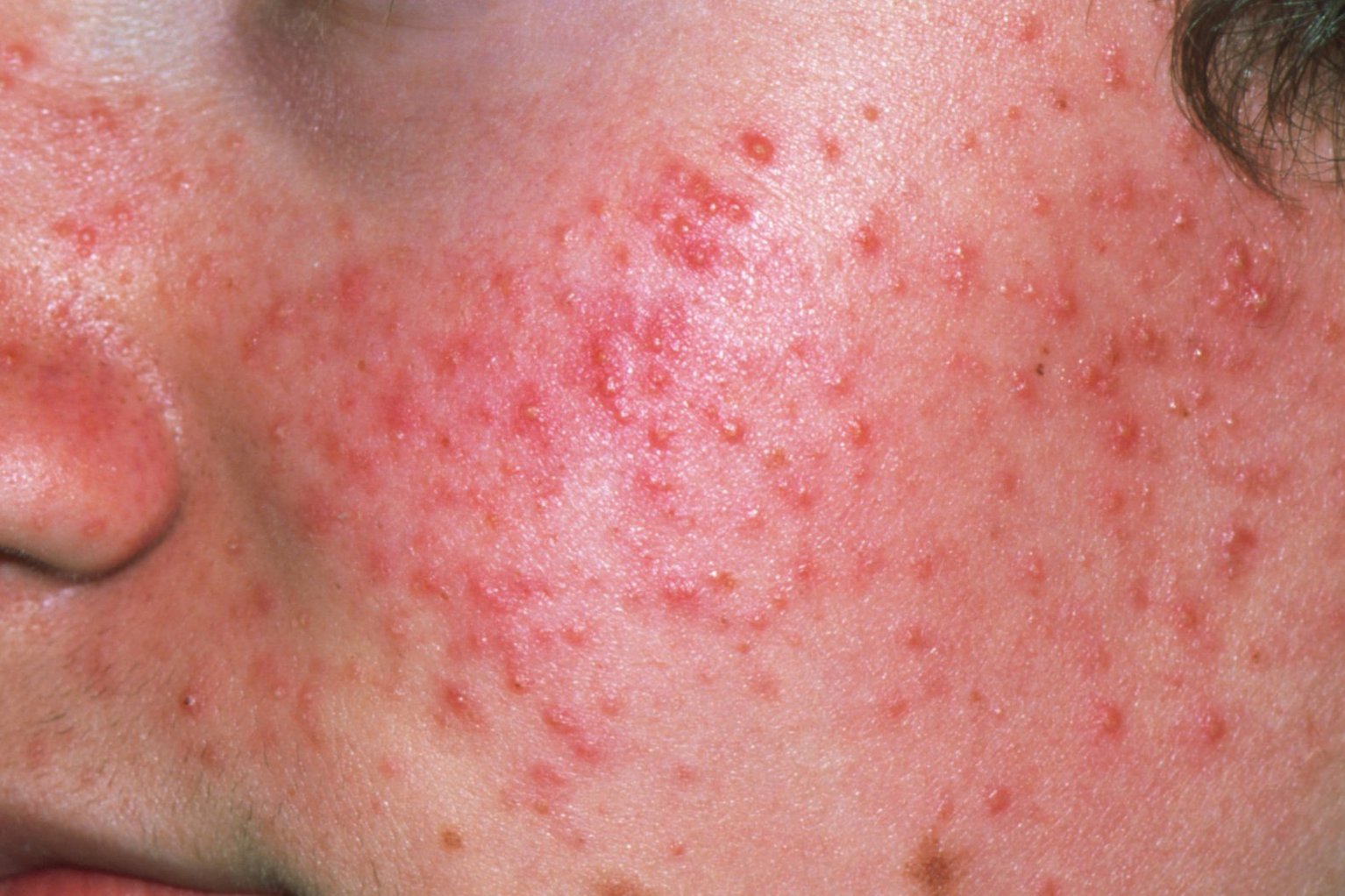
    • a red, itchy rash
    • worsening of asthma or eczema symptoms

    Most allergic reactions are mild, but occasionally a severe reaction called anaphylaxis or anaphylactic shock can occur.

    This is a medical emergency and needs urgent treatment.

    Getting help for allergies

    See a GP if you think you or your child might have had an allergic reaction to something.

    The symptoms of an allergic reaction can also be caused by other conditions.

    A GP can help determine whether it’s likely you have an allergy.

    If they think you might have a mild allergy, they can offer advice and treatment to help manage the condition.

    If your allergy is particularly severe or it’s not clear what you’re allergic to, they may refer you to an allergy specialist for testing and advice about treatment.

    Find out more about allergy testing

    How to manage an allergy

    In many cases, the most effective way of managing an allergy is to avoid the allergen that causes the reaction whenever possible.

    For example, if you have a food allergy, you should check a food’s ingredients list for allergens before eating it.

    There are also several medicines available to help control symptoms of allergic reactions, including:

    • antihistamines – these can be taken when you notice the symptoms of a reaction, or before being exposed to an allergen, to stop a reaction occurring
    • decongestants – tablets, capsules, nasal sprays or liquids that can be used as a short-term treatment for a blocked nose
    • lotions and creams, such as moisturising creams (emollients) – these can reduce skin redness and itchiness
    • steroid medicines – sprays, drops, creams, inhalers and tablets that can help reduce redness and swelling caused by an allergic reaction

    For some people with very severe allergies, a treatment called immunotherapy may be recommended.

    This involves being exposed to the allergen in a controlled way over a number of years so your body gets used to it and does not react to it so severely.

    What causes allergies?

    Allergies occur when the body’s immune system reacts to a particular substance as though it’s harmful.

    It’s not clear why this happens, but most people affected have a family history of allergies or have closely related conditions, such as asthma or eczema.

    The number of people with allergies is increasing every year.

    The reasons for this are not understood, but 1 of the main theories is it’s the result of living in a cleaner, germ-free environment, which reduces the number of germs our immune system has to deal with.

    It’s thought this may cause it to overreact when it comes into contact with harmless substances.

    Is it an allergy, sensitivity or intolerance?

    Allergy

    A reaction produced by the body’s immune system when exposed to a normally harmless substance.

    Sensitivity

    The exaggeration of the normal effects of a substance. For example, the caffeine in a cup of coffee may cause extreme symptoms, such as palpitations and trembling.

    Intolerance

    Where a substance causes unpleasant symptoms, such as diarrhoea, but does not involve the immune system.

    People with an intolerance to certain foods can typically eat a small amount without having any problems.

    Symptoms of an allergic reaction usually develop within a few minutes of being exposed to something you’re allergic to, although occasionally they can develop gradually over a few hours.

    Although allergic reactions can be a nuisance and hamper your normal activities, most are mild.

    Very occasionally, a severe reaction called anaphylaxis can occur.

    Main allergy symptoms

    Common symptoms of an allergic reaction include:

    • sneezing and an itchy, runny or blocked nose (allergic rhinitis)
    • itchy, red, watering eyes (conjunctivitis)
    • wheezing, chest tightness, shortness of breath and a cough
    • a raised, itchy, red rash (hives)
    • swollen lips, tongue, eyes or face
    • tummy pain, feeling sick, vomiting or diarrhoea
    • dry, red and cracked skin

    Itchy, red, watering eyes

    Raised, itchy, red rash (hives)

    The symptoms vary depending on what you’re allergic to and how you come into contact with it.

    For example, you may have a runny nose if exposed to pollen, develop a rash if you have a skin allergy, or feel sick if you eat something you’re allergic to.

    See your GP if you or your child might have had an allergic reaction to something. They can help determine whether the symptoms are caused by an allergy or another condition.

    Read more about diagnosing allergies.

    Severe allergic reaction (anaphylaxis)

    In rare cases, an allergy can lead to a severe allergic reaction, called anaphylaxis or anaphylactic shock, which can be life threatening.

    This affects the whole body and usually develops within minutes of exposure to something you’re allergic to.

    Signs of anaphylaxis include any of the symptoms above, as well as:

    • swelling of the throat and mouth
    • difficulty breathing
    • lightheadedness
    • confusion
    • blue skin or lips
    • collapsing and losing consciousness

    Anaphylaxis is a medical emergency that requires immediate treatment.

    Read more about anaphylaxis for information about what to do if it occurs.

    If you think you have an allergy, tell your GP about the symptoms you’re having, when they happen, how often they occur and if anything seems to trigger them.

    Your GP can offer advice and treatment for mild allergies with a clear cause.

    If your allergy is more severe or it’s not obvious what you’re allergic to, you may be referred for allergy testing at a specialist allergy clinic.

    Find your nearest NHS allergy clinic

    The tests that may be carried out are described on this page.

    Skin prick testing

    Skin prick testing is one of the most common allergy tests.

    It involves putting a drop of liquid onto your forearm that contains a substance you may be allergic to. The skin under the drop is then gently pricked.

    If you’re allergic to the substance, an itchy, red bump will appear within 15 minutes.

    Most people find skin prick testing not particularly painful, but it can be a little uncomfortable. It’s also very safe.

    Make sure you do not take antihistamines before the test, as they can interfere with the results.

    Blood tests

    Blood tests may be used instead of, or alongside, skin prick tests to help diagnose common allergies.

    A sample of your blood is removed and analysed for specific antibodies produced by your immune system in response to an allergen.

    Patch tests

    Patch tests are used to investigate a type of eczema known as contact dermatitis, which can be caused by your skin being exposed to an allergen.

    A small amount of the suspected allergen is added to special metal discs, which are then taped to your skin for 48 hours and monitored for a reaction.

    Elimination diet

    If you have a suspected food allergy, you may be advised to avoid eating a particular food to see if your symptoms improve.

    After a few weeks, you may then be asked to eat the food again to check if you have another reaction.

    Do not attempt to do this yourself without discussing it with a qualified healthcare professional.

    Challenge testing

    In a few cases, a test called a food challenge may also be used to diagnose a food allergy.

    During the test, you’re given the food you think you’re allergic to in gradually increasing amounts to see how you react under close supervision.

    This test is riskier than other forms of testing, as it could cause a severe reaction, but is the most accurate way to diagnose food allergies.

    And challenge testing is always carried out in a clinic where a severe reaction can be treated if it does develop.

    Allergy testing kits

    The use of commercial allergy-testing kits isn’t recommended.

    These tests are often of a lower standard than those provided by the NHS or accredited private clinics, and are generally considered to be unreliable.

    Allergy tests should be interpreted by a qualified professional who has detailed knowledge of your symptoms and medical history.

    The treatment for an allergy depends on what you’re allergic to. In many cases, a GP will be able to offer advice and treatment.

    They’ll advise you about taking steps to avoid exposure to the substance you’re allergic to, and can recommend medicines to control your symptoms.

    Avoiding exposure to allergens

    The best way to keep your symptoms under control is often to avoid the things you’re allergic to, although this is not always practical.

    For example, you may be able to help manage:

    • food allergies by being careful about what you eat
    • animal allergies by keeping pets outside as much as possible and washing them regularly
    • mould allergies by keeping your home dry and well-ventilated, and dealing with any damp and condensation
    • hay fever by staying indoors and avoiding grassy areas when the pollen count is high
    • dust mite allergies by using allergy-proof duvets and pillows, and fitting wooden floors rather than carpets

    Allergy medicines

    Medicines for mild allergies are available from pharmacies without a prescription.

    But always ask a pharmacist or GP for advice before starting any new medicine, as they’re not suitable for everyone.

    Antihistamines

    Antihistamines are the main medicines for allergies.

    They can be used:

    • as and when you notice the symptoms of an allergic reaction
    • to prevent allergic reactions – for example, you may take them in the morning if you have hay fever and you know the pollen count is high that day

    Antihistamines can be taken as tablets, capsules, creams, liquids, eye drops or nasal sprays, depending on which part of your body is affected by your allergy.

    Decongestants

    Decongestants can be used as a short-term treatment for a blocked nose caused by an allergic reaction.

    They can be taken as tablets, capsules, nasal sprays or liquids.

    Do not use them for more than a week at a time, as using them for long periods can make your symptoms worse.

    Lotions and creams

    Red and itchy skin caused by an allergic reaction can sometimes be treated with over-the-counter creams and lotions, such as:

    • moisturising creams (emollients) to keep the skin moist and protect it from allergens
    • calamine lotion to reduce itchiness
    • steroids to reduce inflammation

    Steroids

    Steroid medicines can help reduce inflammation caused by an allergic reaction.

    They’re available as:

    • nasal sprays and eye drops for an inflamed nose and eyes
    • creams for eczema and contact dermatitis
    • inhalers for asthma
    • tablets for hives (urticaria)

    Sprays, drops and weak steroid creams are available without a prescription.

    Stronger creams, inhalers and tablets are available on prescription from a GP.

    Immunotherapy (desensitisation) 

    Immunotherapy may be an option for a small number of people with certain severe and persistent allergies who are unable to control their symptoms using the measures above.

    The treatment involves being given occasional small doses of the allergen, either as an injection, or as drops or tablets under the tongue, over the course of several years.

    The injection can only be performed in a specialist clinic under the supervision of a doctor, as there’s a small risk of a severe reaction.

    The drops or tablets can usually be taken at home.

    The aim of treatment is to help your body get used to the allergen so it does not react to it so severely.

    This will not necessarily cure your allergy, but it’ll make it milder and mean you can take less medicine.

    Treating severe allergic reactions (anaphylaxis)

    Some people with severe allergies may experience life-threatening reactions, known as anaphylaxis or anaphylactic shock.

    If you’re at risk of this, you’ll be given special injectors containing a medicine called adrenaline to use in an emergency.

    If you develop symptoms of anaphylaxis, such as difficulty breathing, you should inject yourself in the outer thigh before seeking emergency medical help.

    Treating specific allergic conditions

    Use the links below to find information about how specific allergies and related conditions are treated:

    • hay fever
    • food allergies
    • allergic rhinitis
    • conjunctivitis
    • hives (urticaria)
    • eczema
    • contact dermatitis
    • asthma
  • Weight Loss Service (Lipotrim)

    Weight Loss Service (Lipotrim)

    If you are overweight and are serious about losing weight, the Lipotrim Pharmacy Programme could help you reach your goal, knowing you have a highly trained healthcare professional on hand for information, advice and encouragement.

    • You need to be overweight and serious about losing it .
    • There are a few medical restrictions so you will need to fill out a medical screening form at the pharmacy to make sure the programme is suitable for you.
    • If you are accepted for the programme, you will have to attend the pharmacy weekly for weight measurements and, where possible at the pharmacy, a urine test to measure ketones.
    • The pharmacy is also where you will pick up weekly supplies of Lipotrim products.
    • An essential short video/DVD and written materials are available to assist you on the programme.
    • This programme is pharmacy-based and run by the pharmacist. It is not available for over the counter sale or mail order.
  • Antacids

    Antacids

    Antacids are medicines that counteract (neutralise) the acid in your stomach to relieve indigestion and heartburn.

    They come as a liquid or chewable tablets and can be bought from pharmacies and shops without a prescription.

    When antacids are used

    Antacids may help if you have:

    • indigestion
    • heartburn or acid reflux – also known as gastro-oesophageal reflux disease (GORD)
    • a stomach ulcer
    • gastritis (inflammation of the stomach lining) 

    They can quickly relieve your symptoms for a few hours. But they do not treat the underlying cause and long-term use is not recommended.

    Speak to a GP if you find you need to take antacids regularly.

    Common types of antacids

    Many different types of antacid are available. Some are sold under a brand name and others are named after their main ingredient.

    Ingredients to look for include:

    • aluminium hydroxide
    • magnesium carbonate
    • magnesium trisilicate
    • magnesium hydroxide
    • calcium carbonate
    • sodium bicarbonate

    Some antacids also contain other medicines, such as an alginate (which coats your gullet with a protective layer) and simeticone (which reduces flatulence).

    How and when to take antacids

    Check the instructions on the packet or leaflet to see how much antacid to take and how often. This depends on the exact medicine you’re taking.

    Antacids should be used when you have symptoms or think you will get them soon – for most people, the best time to take them is with or soon after meals, and just before going to bed.

    Remember that doses for children may be lower than for adults.

    Contact a GP or pharmacist, or call NHS 111, if you take too much of the medicine and start to feel unwell.

    Taking antacids with food, alcohol and other medicines

    It’s best to take antacids with food or soon after eating because this is when you’re most likely to get indigestion or heartburn.

    The effect of the medicine may also last longer if taken with food.

    Antacids can affect how well other medicines work, so do not take other medicines within 2 to 4 hours of taking an antacid.

    You can drink alcohol while taking antacids, but alcohol can irritate your stomach and make your symptoms worse.

    Side effects of antacids

    Antacids do not usually have many side effects if they’re only taken occasionally and at the recommended dose.

    But sometimes they can cause:

    • diarrhoea or constipation
    • flatulence (wind)
    • stomach cramps
    • feeling sick or vomiting

    These should pass once you stop taking the medicine.

    Speak to a pharmacist or a GP if side effects do not improve or are troublesome. You may need to switch to another medicine.

    Who may not be able to take antacids

    Antacids are safe for most people to take, but they’re not suitable for everyone.

    Speak to a pharmacist or a GP for advice first if you:

    • are pregnant or breastfeeding – most antacids are considered safe to take while pregnant or breastfeeding, but always get advice first
    • are looking for a medicine for a child under 12 years of age – some antacids are not recommended for children
    • have liver disease, kidney disease or heart failure – some antacids may not be safe if you have one of these problems
    • have an illness that means you need to control how much salt (sodium) is in your diet, such as high blood pressure or cirrhosis – some antacids contain high levels of sodium, which could make you unwell
    • are taking other medicines – antacids can interfere with other medicines and may need be avoided or taken at a different time
  • Antihistamines

    Antihistamines

    Antihistamines are medicines often used to relieve symptoms of allergies, such as hay fever, hives, conjunctivitis and reactions to insect bites or stings.

    They’re also sometimes used to prevent motion sickness and as a short-term treatment for insomnia.

    Most antihistamines can be bought from pharmacies and shops, but some are only available on prescription.

    Types of antihistamine

    There are many types of antihistamine.

    They’re usually divided into 2 main groups:

    • antihistamines that make you feel sleepy – such as chlorphenamine (including Piriton), hydroxyzine and promethazine
    • non-drowsy antihistamines that are less likely to make you feel sleepy – such as cetirizine, fexofenadine and loratadine

    They also come in several different forms – including tablets, capsules, liquids, syrups, creams, lotions, gels, eyedrops and nasal sprays.

    Which type is best?

    There’s not much evidence to suggest any particular antihistamine is better than any other at relieving allergy symptoms.

    Some people find certain types work well for them and others do not. You may need to try several types to find one that works for you.

    Non-drowsy antihistamines are generally the best option, as they’re less likely to make you feel sleepy. But types that make you feel sleepy may be better if your symptoms stop you sleeping.

    Ask a pharmacist for advice if you’re unsure which medicine to try as not all antihistamines are suitable for everyone.

    How to take antihistamines

    Take your medicine as advised by the pharmacist or doctor, or as described in the leaflet that comes with it.

    Before taking an antihistamine, you should know:

    • how to take it – including whether it needs to be taken with water or food, or how to use it correctly (if eyedrops or a nasal spray)
    • how much to take (the dose) – this can vary depending on things such as your age and weight
    • when to take it – including how many times a day you can take it and when to take it (some types should be taken before bedtime)
    • how long to take it for – some types can be used for a long time, but some are only recommended for a few days
    • what to do if you miss a dose or take too much (overdose)

    The advice varies depending on the exact medicine you’re taking. If you’re not sure how to take your medicine, ask a pharmacist.

    Side effects of antihistamines

    Like all medicines, antihistamines can cause side effects.

    Side effects of antihistamines that make you drowsy can include:

    • sleepiness (drowsiness) and reduced co-ordination, reaction speed and judgement – do not drive or use machinery after taking these antihistamines
    • dry mouth
    • blurred vision
    • difficulty peeing

    Side effects of non-drowsy antihistamines can include:

    • headache
    • dry mouth
    • feeling sick
    • drowsiness – although this is less common than with older types of antihistamines

    Check the leaflet that comes with your medicine for a full list of possible side effects and advice about when to get medical help.

    If you think your medicine has caused an unwanted side effect, you can report it through the Yellow Card Scheme.

    Taking antihistamines with other medicines, food or alcohol

    Speak to a pharmacist or GP before taking antihistamines if you’re already taking other medicines.

    There may be a risk the medicines do not mix, which could stop either from working properly or increase the risk of side effects.

    Examples of medicines that could cause problems if taken with antihistamines include some types of:

    • antidepressants
    • stomach ulcer or indigestion medicines
    • cough and cold remedies that also contain an antihistamine

    Try not to drink alcohol while taking an antihistamine, particularly if it’s a type that makes you drowsy, as it can increase the chances of it making you feel sleepy.

    Food and other drinks do not affect most antihistamines, but check the leaflet that comes with your medicine to make sure.

    Who can take antihistamines

    Most people can safely take antihistamines.

    But speak to a pharmacist or GP for advice if you:

    • are pregnant – read about taking hay fever medicines in pregnancy
    • are breastfeeding – read about taking hay fever medicines while breastfeeding
    • are looking for a medicine for a young child
    • are taking other medicines
    • have an underlying health condition, such as heart disease, liver disease, kidney disease or epilepsy

    Some antihistamines may not be suitable in these cases. A pharmacist or doctor can recommend one that’s best for you.

    Always read the leaflet that comes with your medicine to check it’s safe for you before taking it or giving it to your child.

    How antihistamines work

    Antihistamines block the effects of a substance called histamine in your body.

    Histamine is normally released when your body detects something harmful, such as an infection. It causes blood vessels to expand and the skin to swell, which helps protect the body.

    But in people with allergies, the body mistakes something harmless – such as pollen, animal hair or house dust – for a threat and produces histamine. The histamine causes an allergic reaction with unpleasant symptoms including itchy, watering eyes, a running or blocked nose, sneezing and skin rashes.

    Antihistamines help stop this happening if you take them before you come into contact with the substance you’re allergic to. Or they can reduce the severity of symptoms if you take them afterwards.