Category: General Medical

  • Microsuction Ear Wax Removal

    Microsuction Ear Wax Removal

    If you are suffering from loss of hearing or perhaps one or both of your ears are itching or aching despite having tried out everything you possibly could to improve and resolve the symptoms, then you have a buildup of earwax that should be treated by a professional.

    Good news is, here at Warwick Pharmacy, we are now offering Microsuction Ear Wax Removal Service by our expert and professionally trained pharmacists.

    Why Microsuction?

    Microsuction Ear Wax Removal

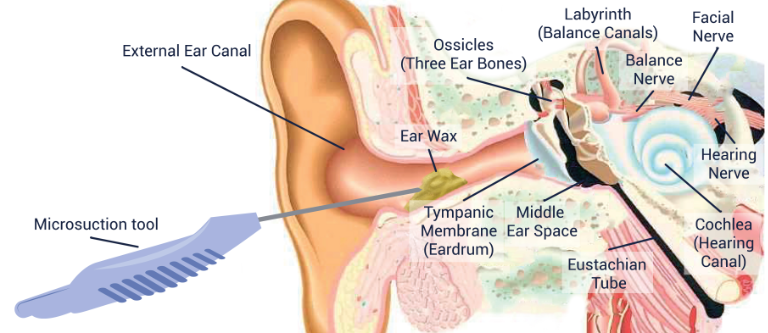
    Microsuction is the most modern, advanced, safest, and pain-free form of ear wax removal. It is the most effective and safest form of earwax removal as it avoids touching the sensitive area around the ear canal and avoids contact with the eardrum.

    This method does not use high pressure water suction as seen with a syringing technique, therefore allowing it to be the safest, fastest and cleanest method of Ear Wax Removal.

    What is the Procedure?

    We strongly advise our patients to apply one to two drops of olive oil into their affected ear/s, for at least 5 days prior to but not on the day of the treatment.

    We will take a comprehensive medical history of the patient on the day of the appointment to ensure patient’s safety.

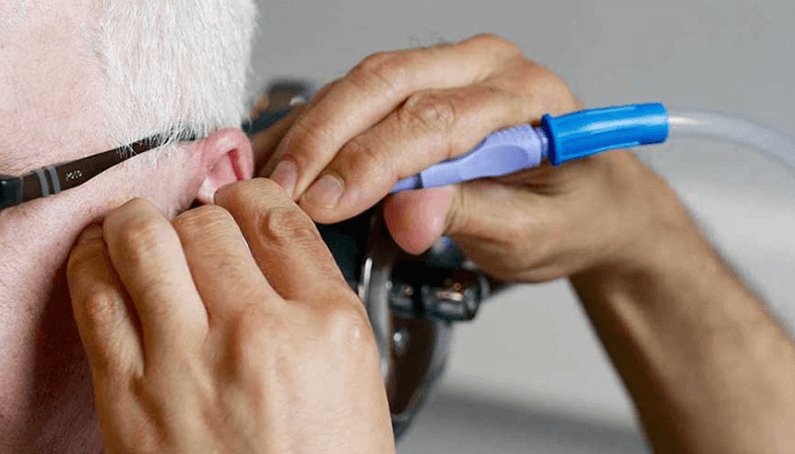
    After a microscopic examination of the inner ear canals and ear drums, the Pharmacist will use a low pressure suction probe in order to gently and safely remove earwax. The Pharmacist will wear a pair of illuminated microscopes, namely ‘loupes’, and air will be heard rushing through the suction wand during the procedure. There may be an occasional mild ‘pop’ as the wax is sucked through the probe. Generally, the appointment will be painless resulting the patient with better hearing and healthy ears!

    Treatment Prices

    • Consultation fee (no wax): £20
    • Microsuction For One Ear: £40
    • Microsuction For Both Ears: £60

    Walk in Service for consultation is available at the Pharmacy. You can Also Book Online Here or just give us a call or send us an email to book an appointment.

    Book Online Now

    Please Select the Service, Pick a date and time slot for an appointment. Note that, Payment will be collected at the pharmacy on the day of the appointment.

    [ameliacatalog category=3 employee=1]


  • Antihistamines

    Antihistamines

    Antihistamines are medicines often used to relieve symptoms of allergies, such as hay fever, hives, conjunctivitis and reactions to insect bites or stings.

    They’re also sometimes used to prevent motion sickness and as a short-term treatment for insomnia.

    Most antihistamines can be bought from pharmacies and shops, but some are only available on prescription.

    Types of antihistamine

    There are many types of antihistamine.

    They’re usually divided into 2 main groups:

    • antihistamines that make you feel sleepy – such as chlorphenamine (including Piriton), hydroxyzine and promethazine
    • non-drowsy antihistamines that are less likely to make you feel sleepy – such as cetirizine, fexofenadine and loratadine

    They also come in several different forms – including tablets, capsules, liquids, syrups, creams, lotions, gels, eyedrops and nasal sprays.

    Which type is best?

    There’s not much evidence to suggest any particular antihistamine is better than any other at relieving allergy symptoms.

    Some people find certain types work well for them and others do not. You may need to try several types to find one that works for you.

    Non-drowsy antihistamines are generally the best option, as they’re less likely to make you feel sleepy. But types that make you feel sleepy may be better if your symptoms stop you sleeping.

    Ask a pharmacist for advice if you’re unsure which medicine to try as not all antihistamines are suitable for everyone.

    How to take antihistamines

    Take your medicine as advised by the pharmacist or doctor, or as described in the leaflet that comes with it.

    Before taking an antihistamine, you should know:

    • how to take it – including whether it needs to be taken with water or food, or how to use it correctly (if eyedrops or a nasal spray)
    • how much to take (the dose) – this can vary depending on things such as your age and weight
    • when to take it – including how many times a day you can take it and when to take it (some types should be taken before bedtime)
    • how long to take it for – some types can be used for a long time, but some are only recommended for a few days
    • what to do if you miss a dose or take too much (overdose)

    The advice varies depending on the exact medicine you’re taking. If you’re not sure how to take your medicine, ask a pharmacist.

    Side effects of antihistamines

    Like all medicines, antihistamines can cause side effects.

    Side effects of antihistamines that make you drowsy can include:

    • sleepiness (drowsiness) and reduced co-ordination, reaction speed and judgement – do not drive or use machinery after taking these antihistamines
    • dry mouth
    • blurred vision
    • difficulty peeing

    Side effects of non-drowsy antihistamines can include:

    • headache
    • dry mouth
    • feeling sick
    • drowsiness – although this is less common than with older types of antihistamines

    Check the leaflet that comes with your medicine for a full list of possible side effects and advice about when to get medical help.

    If you think your medicine has caused an unwanted side effect, you can report it through the Yellow Card Scheme.

    Taking antihistamines with other medicines, food or alcohol

    Speak to a pharmacist or GP before taking antihistamines if you’re already taking other medicines.

    There may be a risk the medicines do not mix, which could stop either from working properly or increase the risk of side effects.

    Examples of medicines that could cause problems if taken with antihistamines include some types of:

    • antidepressants
    • stomach ulcer or indigestion medicines
    • cough and cold remedies that also contain an antihistamine

    Try not to drink alcohol while taking an antihistamine, particularly if it’s a type that makes you drowsy, as it can increase the chances of it making you feel sleepy.

    Food and other drinks do not affect most antihistamines, but check the leaflet that comes with your medicine to make sure.

    Who can take antihistamines

    Most people can safely take antihistamines.

    But speak to a pharmacist or GP for advice if you:

    • are pregnant – read about taking hay fever medicines in pregnancy
    • are breastfeeding – read about taking hay fever medicines while breastfeeding
    • are looking for a medicine for a young child
    • are taking other medicines
    • have an underlying health condition, such as heart disease, liver disease, kidney disease or epilepsy

    Some antihistamines may not be suitable in these cases. A pharmacist or doctor can recommend one that’s best for you.

    Always read the leaflet that comes with your medicine to check it’s safe for you before taking it or giving it to your child.

    How antihistamines work

    Antihistamines block the effects of a substance called histamine in your body.

    Histamine is normally released when your body detects something harmful, such as an infection. It causes blood vessels to expand and the skin to swell, which helps protect the body.

    But in people with allergies, the body mistakes something harmless – such as pollen, animal hair or house dust – for a threat and produces histamine. The histamine causes an allergic reaction with unpleasant symptoms including itchy, watering eyes, a running or blocked nose, sneezing and skin rashes.

    Antihistamines help stop this happening if you take them before you come into contact with the substance you’re allergic to. Or they can reduce the severity of symptoms if you take them afterwards.

  • Antimalarials

    Antimalarials

    Antimalarial medication is used to prevent and treat malaria.

    You should always consider taking antimalarial medicine when travelling to areas where there’s a risk of malaria. Visit your GP or local travel clinic for malaria advice as soon as you know when and where you’re going to be travelling.

    It’s very important to take the correct dose and finish the course of antimalarial treatment. If you’re unsure, ask your GP or pharmacist how long you should take your medication for.

    Preventing malaria

    It’s usually recommended you take antimalarial tablets if you’re visiting an area where there’s a malaria risk as they can reduce your risk of malaria by about 90%.

    The type of antimalarial tablets you will be prescribed is based on the following information:

    • where you’re going
    • any relevant family medical history
    • your medical history, including any allergies to medication
    • any medication you’re currently taking
    • any problems you’ve had with antimalarial medicines in the past
    • your age
    • whether you’re pregnant

    You may need to take a short trial course of antimalarial tablets before travelling. This is to check that you don’t have an adverse reaction or side effects. If you do, alternative antimalarials can be prescribed before you leave.

    Types of antimalarial medication

    The main types of antimalarials used to prevent malaria are described below.

    Atovaquone plus proguanil

    • Dosage – the adult dose is 1 adult-strength tablet a day. Child dosage is also once a day, but the amount depends on the child’s weight. It should be started 1 or 2 days before your trip and taken every day you’re in a risk area, and for 7 days after you return.
    • Recommendations – a lack of clear evidence means this antimalarial shouldn’t be taken by pregnant or breastfeeding women. It’s also not recommended for people with severe kidney problems.
    • Possible side effects – stomach upset, headaches, skin rash and mouth ulcers.
    • Other factors – it can be more expensive than other antimalarials, so may be more suitable for short trips.

    Doxycycline (also known as Vibramycin-D)

    • Dosage – the dose is 100mg daily as a tablet or capsule. You should start the tablets 2 days before you travel and take them each day you’re in a risk area, and for 4 weeks after you return.
    • Recommendations – not normally recommended for pregnant or breastfeeding women, but your GP will advise. Not recommended for children under the age of 12 (because of the risk of permanent tooth discolouration), people who are sensitive to tetracycline antibiotics, or people with liver problems.
    • Possible side effects – stomach upset, heartburn, thrush, and sunburn as a result of light sensitivity. It should always be taken with food, preferably when standing or sitting.
    • Other factors – it is relatively cheap. If you take doxycycline for acne, it will also provide protection against malaria as long as you’re taking an adequate dose. Ask your GP.

    Mefloquine (also known as Lariam)

    • Dosage – the adult dose is 1 tablet weekly. Child dosage is also once a week, but the amount will depend on their weight. It should be started 3 weeks before you travel and taken all the time you’re in a risk area, and for 4 weeks after you get back.
    • Recommendations – it’s not recommended if you have epilepsy, seizures, depression or other mental health problems, or if a close relative has any of these conditions. It’s not usually recommended for people with severe heart or liver problems.
    • Possible side effects – dizziness, headache, sleep disturbances (insomnia and vivid dreams) and psychiatric reactions (anxiety, depression, panic attacks and hallucinations). It’s very important to tell your doctor about any previous mental health problems, including mild depression. Don’t take this medication if you have a seizure disorder.
    • Other factors – if you haven’t taken mefloquine before, it’s recommended you do a 3-week trial before you travel to see whether you develop any side effects.

    Chloroquine and proguanil

    A combination of antimalarial medications called chloroquine and proguanil is also available, although these are rarely recommended nowadays because they’re largely ineffective against the most common and dangerous type of malaria parasite, Plasmodium falciparum.

    However, chloroquine and proguanil may occasionally be recommended for certain destinations where the Plasmodium falciparum parasite is less common than other types, such as India and Sri Lanka.

    Treating malaria

    If malaria is diagnosed and treated promptly, a full recovery can be expected. Treatment should be started as soon as a blood test confirms malaria.

    Many of the same antimalarial medicines used to prevent malaria can also be used to treat the disease. However, if you’ve taken an antimalarial to prevent malaria, you shouldn’t take the same one to treat it. This means it’s important to tell your doctor the name of the antimalarials you took.

    The type of antimalarial medicine and how long you need to take it will depend on:

    • the type of malaria you have
    • where you caught malaria
    • the severity of your symptoms
    • whether you took preventative antimalarial tablets
    • your age
    • whether you’re pregnant

    Your doctor may recommend using a combination of different antimalarials to overcome strains of malaria that have become resistant to single types of medication.

    Antimalarial medication is usually given as tablets or capsules. If someone is very ill, it will be given through a drip into a vein in the arm (intravenously) in hospital.

    Treatment for malaria can leave you feeling very tired and weak for several weeks.

    Emergency standby treatment

    In some cases, you may be prescribed emergency standby treatment for malaria before you travel. This is usually if there’s a risk of you becoming infected with malaria while travelling in a remote area with little or no access to medical care.

    Examples of emergency standby medications include:

    • atovaquone with proguanil
    • artemether with lumefantrine
    • quinine plus doxycycline
    • quinine plus clindamycin

    Your GP may decide to seek advice from a travel health specialist before prescribing standby emergency treatment.

    Read more about standby emergency treatment for malaria.

    Antimalarials in pregnancy

    If you’re pregnant, it’s advisable to avoid travelling to areas where there’s a risk of malaria.

    Pregnant women have an increased risk of developing severe malaria, and both the baby and mother could experience serious complications.

    It’s very important to take the right antimalarial medicine if you’re pregnant and unable to postpone or cancel your trip to an area where there’s a malaria risk.

    Some of the antimalarials used to prevent and treat malaria are unsuitable for pregnant women because they can cause side effects for both mother and baby.

    The list below outlines which medications are safe or unsafe to use while pregnant:

    • Mefloquine – not usually prescribed during the first trimester of pregnancy, or if pregnancy is a possibility during the first 3 months after preventative antimalarial medication is stopped. This is a precaution, even though there’s no evidence to suggest mefloquine is harmful to an unborn baby.
    • Doxycycline – never recommended for pregnant or breastfeeding women as it could harm the baby.
    • Atovaquone plus proguanil – not generally recommended during pregnancy or breastfeeding because research into the effects is limited. However, if the risk of malaria is high, they may be recommended if there’s no suitable alternative.

    Chloroquine combined with proguanil is suitable during pregnancy, but it is rarely used as it’s not very effective against the most common and dangerous type of malaria parasite.

  • Aspirin

    Aspirin

    Low-dose aspirin

    1. About low-dose aspirin
    2. Key facts
    3. Who can and can’t take low-dose aspirin
    4. How and when to take it
    5. Side effects
    6. How to cope with side effects
    7. Pregnancy and breastfeeding
    8. Cautions with other medicines
    9. Common questions


    1. About low-dose aspirin

    Daily low-dose aspirin is a blood thinning medicine. Aspirin is also known as acetylsalicylic acid.

    Low-dose aspirin helps to prevent heart attacks and strokes in people at high risk of them.

    Your doctor may suggest that you take a daily low dose if you have had a stroke or a heart attack to help stop you having another one.

    Or, if you’re at high risk of heart attack – for example, if you have had heart surgery or if you have chest pain caused by heart disease (angina).

    Only take daily low-dose aspirin if your doctor recommends it.

    Low-dose aspirin comes as tablets. It’s available on prescription. You can also buy it from pharmacies, shops and supermarkets.

    Children are sometimes treated with low-dose aspirin after heart surgery or to treat a rare illness called Kawasaki disease. Children should only take low-dose aspirin if their doctor prescribes it.

    Taking low-dose aspirin to prevent heart attacks and strokes is not the same as taking aspirin as a painkiller. Read our information on aspirin for pain relief.

    2. Key facts

    • Daily low-dose aspirin makes the blood less sticky and helps to prevent heart attacks and stroke.
    • It’s usual to take a dose of 75mg once a day. Sometimes doses may be higher.
    • It’s best to take low-dose aspirin with food so it doesn’t upset your stomach.
    • Taking low-dose aspirin isn’t safe for everyone. Only take low-dose aspirin if your doctor recommends it.
    • Low-dose aspirin is also called by the brand names Caprin, Danamep, Micropirin and Nu-seals.

    3. Who can and can’t take low-dose aspirin

    Most people aged 16 or over can safely take low-dose aspirin if their doctor recommends it.

    Low-dose aspirin isn’t suitable for certain people.

    It’s sometimes called baby aspirin because of the small dose, but it’s not safe for children.

    Never give aspirin to a child younger than 16, unless their doctor prescribes it.

    There’s a possible link between aspirin and Reye’s syndrome in children.

    Reye’s syndrome is a very rare illness that can cause serious liver and brain damage.

    Important

    Never give aspirin to children younger than 16, unless their doctor prescribes it.

    To make sure low-dose aspirin is safe for you, tell your doctor if you have:

    • an allergy to aspirin or similar painkillers such as ibuprofen
    • ever had a stomach ulcer
    • high blood pressure
    • indigestion
    • heavy periods – taking daily aspirin can make them heavier
    • recently had a stroke (low-dose aspirin isn’t suitable for some types of stroke)
    • asthma or lung disease
    • ever had a blood clotting problem
    • liver or kidney problems
    • gout – it can get worse if you take daily aspirin

    Check with your doctor that it’s safe for you to take low-dose aspirin if you’re pregnant, trying to get pregnant, or if you want to breastfeed.

    4. How and when to take it

    Take low-dose aspirin once a day. Don’t take it on an empty stomach. It’s best to take it with or just after food. This will make it less likely to upset your stomach.

    How much should I take?

    Your doctor will discuss what dose is right for you. It’s important to take low-dose aspirin exactly as recommended by your doctor.

    The usual dose to prevent a heart attack or stroke is 75mg once a day (a regular strength tablet for pain relief is 300mg).

    The daily dose may be higher – up to 300mg once a day – especially if you have just had a stroke, heart attack or heart bypass surgery.

    Different types of low-dose aspirin tablets

    Low-dose aspirin comes as several different types of tablet:

    • standard tablets – that you swallow whole with water
    • soluble tablets – that you dissolve in a glass of water
    • enteric coated tablets – that you swallow whole with water. These tablets have a special coating that means they may be gentler on your stomach. Do not chew or crush them because it’ll stop the coating working. If you also take indigestion remedies, take them at least 2 hours before or after you take your aspirin. The antacid in the indigestion remedy affects the way the coating on these tablets works.

    You can buy low-dose enteric coated aspirin and low-dose soluble aspirin from pharmacies, shops and supermarkets.

    What if I forget to take it?

    If you forget to take a dose of aspirin, take it as soon as you remember. If you don’t remember until the following day, skip the missed dose.

    Do not take a double dose to make up for a forgotten dose.

    If you forget doses often, it may help to set an alarm to remind you. You could also ask your pharmacist for advice on other ways to remember to take your medicine.

    What if I take too much?

    Taking 1 or 2 extra tablets by accident is unlikely to be harmful.

    The amount of aspirin that can lead to overdose varies from person to person.

    Urgent advice:

    Call your doctor straight away if:

    You take too much aspirin by accident and experience side effects such as:

    • feeling sick (nausea)
    • ringing in the ears (tinnitus)
    • hearing problems
    • confusion
    • dizziness

    If you need to go to a hospital accident and emergency (A&E) department, do not drive yourself – get someone else to drive you or call for an ambulance.

    Take the aspirin packet or leaflet inside it, plus any remaining medicine, with you.

    5. Side effects

    Like all medicines, aspirin can cause side effects, although not everyone gets them.

    Common side effects

    Common side effects of aspirin happen in more than 1 in 100 people.

    Talk to your doctor or pharmacist if the side effects bother you or don’t go away:

    • mild indigestion
    • bleeding more easily than normal – because aspirin thins your blood, it can sometimes make you bleed more easily. For example, you may get nosebleeds and bruise more easily, and if you cut yourself, the bleeding may take longer than normal to stop.

    Serious side effects

    It happens rarely, but some people have serious side effects after taking low-dose aspirin.

    Call a doctor straight away if you get:

    • red, blistered and peeling skin
    • coughing up blood or blood in your pee, poo or vomit
    • yellow skin or the whites of your eyes turn yellow – this can be a sign of liver problems
    • painful joints in the hands and feet – this can be a sign of high levels of uric acid in the blood
    • swollen hands or feet – this can be a sign of water retention

    Serious allergic reaction

    In rare cases, it’s possible to have a serious allergic reaction to aspirin.

    Immediate action required:

    Call 999 or go to A&E if:

    • you get a skin rash that may include itchy, red, swollen, blistered or peeling skin
    • you’re wheezing
    • you get tightness in the chest or throat
    • you have trouble breathing or talking
    • your mouth, face, lips, tongue or throat start swelling

    You could be having a serious allergic reaction and may need immediate treatment in hospital.

    These aren’t all the side effects of aspirin.

    For a full list, see the leaflet inside your medicines packet.

    Information:

    You can report any suspected side effect to the UK safety scheme.

    6. How to cope with side effects

    What to do about:

    • mild indigestion – take your aspirin with food. If the indigestion still doesn’t go away, it could be a sign that the aspirin has caused a stomach ulcer. Talk to your doctor – they may prescribe something to protect your stomach or switch you to a different medicine.
    • bleeding more easily than normal – be careful when doing activities that might cause an injury or a cut. Always wear a helmet when cycling. Wear gloves when you use sharp objects like scissors, knives, and gardening tools. Use an electric razor instead of wet shaving, and use a soft toothbrush and waxed dental floss to clean your teeth. See a doctor if you’re worried about any bleeding.

    7. Pregnancy and breastfeeding

    Pregnancy and low-dose aspirin

    It’s generally safe to take low-dose aspirin during pregnancy, as long as your doctor has said it’s OK.

    Your doctor may advise you to take low-dose aspirin during pregnancy:

    • to help prevent heart attack and stroke
    • to help prevent pre-eclampsia (pregnancy-related high blood pressure)
    • if you’re having fertility treatment
    • if you have had several previous miscarriages

    For more information about how low-dose aspirin can affect you and your baby during pregnancy, read this leaflet on the Best Use of Medicines in Pregnancy (BUMPS) website.

    Breastfeeding and low-dose aspirin

    Aspirin is not generally recommended while you’re breastfeeding.

    But your doctor may suggest that you take low-dose aspirin while you’re breastfeeding if they think the benefits of the medicine outweigh the possible harm.

    Non-urgent advice:

    Tell your doctor if you’re:

    • trying to get pregnant
    • pregnant
    • breastfeeding

    8. Cautions with other medicines

    Some medicines interfere with the way aspirin works.

    Tell your doctor if you’re taking these medicines before you start taking aspirin:

    • medicines to thin blood or prevent blood clots, such as clopidogrel and warfarin – taking them with aspirin might cause bleeding problems
    • medicines for pain and inflammation, such as ibuprofen and prednisolone
    • medicines to prevent organ rejection after a transplant, such as ciclosporin and tacrolimus
    • medicines to treat high blood pressure, such as furosemide and ramipril
    • digoxin, a medicine for heart problems
    • lithium, a medicine for mental health problems
    • acetazolamide, for an eye problem called glaucoma
    • methotrexate, a medicine used to stop the immune system overreacting and sometimes to treat some types of cancer
    • diabetes medicines, such as insulin and gliclazide

    Mixing low-dose aspirin with painkillers

    It’s safe to take paracetamol with low-dose aspirin.

    But don’t take ibuprofen at the same time as low-dose aspirin without talking to your doctor.

    Aspirin and ibuprofen both belong to the same group of medicines called non-steroidal anti-inflammatory drugs (NSAIDs).

    If you take them together, it can increase your chances of side effects like stomach irritation.

    Mixing low-dose aspirin with herbal remedies or supplements

    Aspirin may not mix well with quite a lot of complementary and herbal medicines. Aspirin could change the way they work and increase your chances of side effects.

    For safety, speak to your pharmacist or doctor before taking any herbal or alternative remedies with aspirin.

    Important

    Tell your doctor or pharmacist if you are taking any other medicines, including herbal medicines, vitamins or supplements.

  • Asthma Inhalers

    Asthma Inhalers

    Buy Asthma Inhalers straight from your pharmacist

    Your Pharmacist is now qualified to sell you a salbutamol (blue) asthama inhaler after a short consultation in the private consultation room.

    This is not an NHS service and you will be required to pay for the inhaler, but there is no need for an appointment and provided you are suitable for the product you can leave with it straight away.

    Salbutamol (sal-bue-tar-moll) is a medicine which is used in asthma and bronchospasm.

    The information in this Medicine Guide for salbutamol varies according to the condition being treated and the particular preparation used.

    Your medicine

    In breathing disorders, Salbutamol relaxes muscles in the air passages of the lungs. It helps to keep the airways open, making it easier to breathe.

    Inhaled preparations of Salbutamol are fast acting. They can make your breathing easier and relieve bronchospasm within minutes.

    Always have your inhaler with you in case you need it. Ask your prescriber or nurse for advice on what to do if you have an asthma attack.

    You can use Salbutamol to prevent asthma attacks caused by triggers such as house dust, pollen, cats, dogs and exercise.

    When you are having an asthma attack you should use a fast acting preparation of Salbutamol as directed by your prescriber. If your normal inhaled dose of Salbutamol does not give you the same amount of relief then you should contact your prescriber for more advice. They may want you to have additional treatment.

    You need to use Salbutamol as prescribed in order to get the best results from using it. The pharmacy label will tell you how much you should take.

    Other information about Salbutamol:

    • in certain situations your prescriber may advise you to use a higher dose of your medicine than normal
    • Do not share your medicine with other people. It may not be suitable for them and may harm them.
    • The pharmacy label on your medicine tells you how much medicine you should use. It also tells you how often you should use your medicine. This is the dose that you and your prescriber have agreed you should use. You should not change the dose of your medicine unless you are told to do so by your prescriber.
    • If you feel that the medicine is making you unwell or you do not think it is working, then talk to your prescriber.

    Whether this medicine is suitable for you

    Salbutamol is not suitable for everyone and some people should never use it. Other people should only use it with special care. It is important that the person prescribing this medicine knows your full medical history.

    Your prescriber may only prescribe this medicine with special care or may not prescribe it at all if you:

    are allergic or sensitive to or have had a reaction to any of the ingredients in the medicine
    have a low level of oxygen in the blood
    have heartdisease
    have thyrotoxicosis
    Furthermore the prescriber may only prescribe this medicine with special care or may not prescribe it at all for a child under four years of age.

    As part of the process of assessing suitability to take this medicine a prescriber may also arrange tests:

    to check that this medicine is not having any undesired effects
    Over time it is possible that Salbutamol can become unsuitable for some people, or they may become unsuitable for it. If at any time it appears that Salbutamol has become unsuitable, it is important that the prescriber is contacted immediately.

  • Bedwetting

    Bedwetting

    Bedwetting is common and often runs in families. It can be upsetting, but most children and young people will grow out of it. See a GP or school nurse for advice.

    Things you can do at home to help with bedwetting

    Do

    • give your child enough water to drink during the day
    • make sure your child goes to the toilet regularly, around 4 to 7 times a day, including just before bedtime
    • agree with your child on rewards for positive actions, such as a sticker for every time they use the toilet before bed
    • use waterproof covers on their mattress and duvet
    • make sure they have easy access to a toilet at night

    Don’t

    • do not punish your child – it is not their fault and can make bedwetting worse
    • do not give your child drinks containing caffeine, such as cola, tea and coffee – this can make them pee more
    • do not regularly wake or carry your child in the night to use the toilet – this will not help in the long term

    Bedwetting in young children is normal

    Many children under the age of 5 wet the bed.

    It can take some time for a child to learn to stay dry throughout the night.

    Non-urgent advice:

    See a GP if:

    • you’ve tried things you can do at home and your child keeps wetting the bed
    • your child has started wetting the bed again after being dry for more than 6 months

    Treatments from a GP

    The GP will be able to suggest other options such as:

    • a bedwetting alarm
    • medicine to reduce how much pee your child makes at night

    The GP will check if treatment is helping. They’ll also be able to offer support if you are finding it hard to cope.

    If these treatments do not work, your child may be referred to a specialist.

    Causes of bedwetting

    There are many reasons why a child might wet the bed. Causes include:

    • not feeling the need to pee while sleeping
    • making too much pee at night
    • stress at home or at school

    Bedwetting may also be caused by an underlying health condition such as diabetes or constipation.

  • Blood Pressure Monitors

    Blood Pressure Monitors

    How to choose a blood pressure monitor and measure your blood pressure at home

    Find out how to choose a reliable blood pressure monitor so you can measure your blood pressure at home.

    What is a normal blood pressure reading?

    A normal blood pressure reading is below 140/90, but if you have heart or circulatory disease, diabetes or kidney disease, your blood pressure should ideally be less than 130/80.

    If you want to monitor your blood pressureat home, it can be a good idea to get a blood pressure machine that lets you keep a track of your blood pressure readings at times that are suitable for you, in the comfort of your own home.

    How to choose a home blood pressure monitor

    If you decide to take your blood pressure at home, you will need to get a home blood pressure monitor. There is a wide range of home blood pressure monitors available, but it is important to be sure that the blood pressure monitor you choose is accurate and the right one for you.

    • Ask your doctor: If your doctor asks you to measure your blood pressure at home or to wear an ambulatory blood pressure monitor in order to diagnose hypertension, they will provide a monitor that you can borrow for a set period of time.
    • Buy a monitor with an upper cuff: If you are buying a home blood pressure monitor, choose one that measures your blood pressure at your upper arm, not your wrist or finger. The cheapest ones start from £10 and are available in most local pharmacies and larger supermarkets.
    • Make sure the cuff is the right size for your arm: Make sure you have the right cuff size for your arm. It should wrap snugly around your upper arm, with just enough space to slide two fingertips underneath. Most home blood pressure monitors will come with a medium-sized cuff. If your upper arm is particularly larger or smaller than average, you may need to buy a different sized cuff separately.
    • Make sure it’s UK approved: If you are buying a blood pressure monitor, make sure it is approved for use in the UK. To make sure your monitor is accurate, choose one that has been listed as validated for accuracy by the British and Irish Hypertension Society (BIHS). This means that the digital monitor has gone through a series of tests to make sure it gives results that you and your doctor can trust.
    • Make sure you get it serviced  every 2 years: It needs to be regularly serviced and calibrated to make sure it is accurate – generally, at least once every two years. This usually involves sending it back to the manufacturer, who will probably charge a fee for this. If this option is too complicated or expensive it may be easier and cheaper to buy a new monitor.

    See a list of monitors validated by the British and Irish Hypertension society.

    Some monitors will have a memory to store your readings. These may cost more than more basic versions, but recording your measurements on a pen and paper will work just as well.

    How to check your blood pressure using a blood pressure machine

    1. In order for it to be an accurate reading it’s important that you’re resting and that you’re not feeling anxious or stressed.
    2. Sit upright in a chair, your back against the back of the chair, and place your feet flat on the floor.
    3. Rest your arm on a table if you have one and just make sure your hand and arm are relaxed on the table. It’s important that you don’t clench your fist when you’re taking your blood pressure.
    4. Place the cuff over your upper arm and tighten the cuff over your arm, making sure you can fit two fingers underneath the cuff. You want the cuff to be over the upper part of your arm with the tubing leading down the centre or slightly to the right of your arm.
    5. When you check your blood pressure, don’t talk and just relax. Press the on button, and then press the start button.
    6. You’ll feel the cuff inflate quite rapidly. It may temporarily be a bit tender or uncomfortable for,  as the cuff inflates and deflates automatically, but this will only be for a short period of time. If it is too tender/uncomfortable you can just press the ‘Stop’ button and the cuff will instantly deflate.
    7. Once you get your reading, make a note of the reading. Some blood pressure machines now come with a printer. This allows you to stick your print outs in your diary.
    8. A few minutes after you’ve taken your blood pressure, it’s a good idea to check it again, to make sure the readings are similar and accurate.
    9. If you’ve been asked by your GP or nurse to check your blood pressure, take it twice a day – morning and evening – and then make an appointment to see him or her to discuss the results.
  • Cold And Flu

    Cold And Flu

    You can often treat the flu without seeing a GP and should begin to feel better in about a week.

    Check if you have flu

    Flu symptoms come on very quickly and can include:

    • a sudden fever – a temperature of 38C or above
    • an aching body
    • feeling tired or exhausted
    • a dry cough
    • a sore throat
    • a headache
    • difficulty sleeping
    • loss of appetite
    • diarrhoea or tummy pain
    • feeling sick and being sick

    The symptoms are similar for children, but they can also get pain in their ear and appear less active.

    Telling the difference between cold and flu

    How to treat flu yourself

    To help you get better more quickly:

    • rest and sleep
    • keep warm
    • take paracetamol or ibuprofen to lower your temperature and treat aches and pains
    • drink plenty of water to avoid dehydration (your pee should be light yellow or clear)

    Information:

    If you have a high temperature or a new, continuous cough, it could be coronavirus.

    Stay at home and use the 111 coronavirus service to find out what to do.

    A pharmacist can help with flu

    A pharmacist can give treatment advice and recommend flu remedies.

    Be careful not to use flu remedies if you’re taking paracetamol and ibuprofen tablets as it’s easy to take more than the recommended dose.

    Information:

    Do not go to a pharmacy if you have a high temperature or a new, continuous cough, it could be coronavirus. Ask someone to go for you if you can.

    Antibiotics

    GPs do not recommend antibiotics for flu because they will not relieve your symptoms or speed up your recovery.

    Immediate action required:

    Call 999 or go to A&E if you:

    • develop sudden chest pain
    • have difficulty breathing
    • start coughing up blood

    How to avoid spreading the flu

    Flu is very infectious and easily spread to other people. You’re more likely to give it to others in the first 5 days.

    Flu is spread by germs from coughs and sneezes, which can live on hands and surfaces for 24 hours.

    To reduce the risk of spreading flu:

    • wash your hands often with warm water and soap
    • use tissues to trap germs when you cough or sneeze
    • bin used tissues as quickly as possible

    How to prevent flu

    The flu vaccine reduces the risk of catching flu, as well as spreading it to others.

    It’s more effective to get the vaccine before the start of the flu season (December to March).

    Find out if you’re eligible for the free NHS flu vaccine

    Flu vaccination and side effects for adults

    Flu vaccination and side effects for children

  • Cold Sores

    Cold Sores

    Cold sores are common and usually clear up on their own within 10 days. But there are things you can do to help ease the pain.

    Check if it’s a cold sore

    A cold sore usually starts with a tingling, itching or burning feeling.

    Over the next 48 hours:

    Small fluid-filled blisters appear.

    The blisters can appear anywhere on the face.

    The blisters burst and crust over into a scab.

    Cold sores should start to heal within 10 days, but are contagious and may be irritating or painful while they heal.

    Some people find that certain things trigger a cold sore, such as another illness, sunshine or periods.

    When it’s not a cold sore

    How long cold sores are contagious

    Cold sores are contagious from the moment you first feel tingling or other signs of a cold sore coming on to when the cold sore has completely healed.

    A pharmacist can help with cold sores

    A pharmacist can recommend:

    • creams to ease pain and irritation
    • antiviral creams to speed up healing time
    • cold sore patches to protect the skin while it heals

    You can buy electronic devices from pharmacies that treat cold sores with light or lasers.

    Some people find these helpful, but there have not been many studies to find out if they work.

    Information:

    If you regularly get cold sores, use antiviral creams as soon as you recognise the early tingling feeling. They do not always work after blisters appear.

    Things you can do yourself

    Cold sores take time to heal and they’re very contagious, especially when the blisters burst.

    Important

    Do not kiss babies if you have a cold sore. It can lead to neonatal herpes, which is very dangerous to newborn babies.

    Do

    • eat cool, soft foods
    • wash your hands with soap and water before and after applying cream
    • avoid anything that triggers your cold sores
    • use sunblock lip balm (SPF 15 or above) if sunshine is the trigger
    • take paracetamol or ibuprofen to ease pain and swelling (liquid paracetamol is available for children) – do not give aspirin to children under 16
    • drink plenty of fluids to avoid dehydration

    Don’t

    • do not kiss anyone while you have a cold sore
    • do not share anything that comes into contact with a cold sore (such as cold sore creams, cutlery or lipstick)
    • do not have oral sex until your cold sore completely heals – the cold sore virus also causes genital herpes
    • do not touch your cold sore (apart from applying cream)
    • do not rub cream into the cold sore – dab it on instead
    • do not eat acidic or salty food

    See a GP if:

    • the cold sore has not started to heal within 10 days
    • you’re worried about a cold sore or think it’s something else
    • the cold sore is very large or painful
    • you or your child also have swollen, painful gums and sores in the mouth (gingivostomatitis)
    • you’re pregnant – there’s an increased risk of neonatal herpes
    • you have a weakened immune system – for example, because of chemotherapy or diabetes

    Treatment from a GP

    A GP may prescribe antiviral tablets if your cold sores are very large, painful or keep coming back.

    Newborn babies, pregnant women and people with a weakened immune system may be referred to hospital for advice or treatment.

    Why cold sores come back

    Cold sores are caused by a virus called herpes simplex.

    Once you have the virus, it stays in your skin for the rest of your life. Sometimes it causes a cold sore.

    Most people are exposed to the virus when they’re young after close contact with someone who has a cold sore.

    It does not usually cause any symptoms until you’re older. You will not know if it’s in your skin unless you get a cold sore.

  • Constipation

    Constipation

    Constipation is common and it affects people of all ages. You can usually treat it at home with simple changes to your diet and lifestyle.

    Check if it’s constipation

    It’s likely to be constipation if:

    • you or your child have not had a poo at least 3 times in a week
    • the poo is often difficult to push out and larger than usual
    • the poo is often dry, hard or lumpy

    But it’s not unusual for a breastfeeding baby to go a week without having a poo.

    You may also have a stomach ache and feel bloated or sick.

    Things to look out for in babies and toddlers include:

    • a lack of energy
    • being irritable, angry or unhappy
    • soiling their clothes
    • being less hungry than usual
    • a firm tummy

    What causes constipation

    Constipation in adults has many possible causes. Sometimes there’s no obvious reason.

    The most common causes include:

    • not eating enough fibre – such as fruit, vegetables and cereals
    • not drinking enough fluids
    • not moving enough and spending long periods sitting or lying in bed
    • being less active and not exercising
    • often ignoring the urge to go to the toilet
    • changing your diet or daily routine
    • a side effect of medicine
    • stress, anxiety or depression

    Constipation is also common during pregnancy and for 6 weeks after giving birth.

    In much rarer cases, constipation may be caused by a medical condition.

    Simple changes to your diet and lifestyle can help treat constipation.

    It’s safe to try these simple measures when you’re pregnant.

    You may notice a difference within a few days. Sometimes it takes a few weeks before your symptoms improve.

    Make changes to your diet

    To make your poo softer and easier to pass:

    • drink plenty of fluids and avoid alcohol
    • increase the fibre in your diet
    • add some wheat bran, oats or linseed to your diet

    Improve your toilet routine

    Keep to a regular time and place and give yourself plenty of time to use the toilet.

    Do not delay if you feel the urge to poo.

    To make it easier to poo, try resting your feet on a low stool while going to the toilet. If possible, raise your knees above your hips.

    Increase your activity

    A daily walk or run can help you poo more regularly.

    • Getting started with exercise
    • Getting active with a disability or long-term condition
    • Exercise during pregnancy

    Babies and toddlers: what causes constipation

    Constipation in babies and toddlers has many possible causes. Sometimes there’s no obvious reason.

    It usually happens when your child:

    • first starts taking formula or processed foods as a baby
    • is being potty trained as a toddler
    • has just started school

    The most common causes include:

    • not eating enough fibre – such as fruit, vegetables and cereals
    • not drinking enough fluids
    • poor potty training – such as feeling pressured or being regularly interrupted

    In much rarer cases, constipation in babies and toddlers may be caused by a medical condition.

    Babies and toddlers: treating constipation

    Simple changes to your child’s diet and potty training can help treat constipation.

    You may notice a difference within a few days.

    Sometimes it takes a few weeks before their symptoms improve.

    Make changes to your child’s diet

    If your baby is formula-fed, you can offer them extra drinks of water between feeds.

    Do not add more water to formula feeds.

    Breastfed babies rarely get constipated. They do not need anything but breast milk for the first 6 months.

    Try gently moving your baby’s legs in a bicycling motion or carefully massaging their tummy to help stimulate their bowels.

    Give older children plenty of fluids and encourage them to eat fruit.

    Chop or purée it if it’s easier for them to eat. The best fruits for constipation include apples, grapes, pears and strawberries.

    Do not force your child to eat as this can make mealtimes stressful.

    Find out what to feed young children.

    Helping your child with potty training

    Some children feel anxious or stressed about using the toilet. This can cause them to hold in their poo and lead to constipation.

    This usually happens during potty training or if their usual toilet routine has changed. For example, after moving house or starting nursery.

    Give your child plenty of time to use the toilet while they’re still learning.

    Encourage them when they do use the toilet. Some parents find a reward chart works.

    Try these potty training tips.

    A pharmacist can help with constipation

    Speak to a pharmacist if diet and lifestyle changes are not helping.

    They can suggest a suitable laxative. These are medicines that help you poo more regularly.

    Most laxatives work within 3 days. They should only be used for a short time.

    Laxatives are not recommended for children unless they’re prescribed by a GP.

    Complications of long-term constipation

    Long-term constipation can lead to faecal impaction. This is where poo has built up in your rectum.

    The main symptom is diarrhoea after a long bout of constipation.

    Faecal impaction may be treated with:

    • stronger laxatives – prescribed by a GP
    • a suppository – medicine you place in your bottom
    • a mini enema – where fluid is passed through your bottom, into your bowel
    • a doctor removing some of the poo