Category: Treatments And Advice

  • Constipation

    Constipation

    Constipation is common and it affects people of all ages. You can usually treat it at home with simple changes to your diet and lifestyle.

    Check if it’s constipation

    It’s likely to be constipation if:

    • you or your child have not had a poo at least 3 times in a week
    • the poo is often difficult to push out and larger than usual
    • the poo is often dry, hard or lumpy

    But it’s not unusual for a breastfeeding baby to go a week without having a poo.

    You may also have a stomach ache and feel bloated or sick.

    Things to look out for in babies and toddlers include:

    • a lack of energy
    • being irritable, angry or unhappy
    • soiling their clothes
    • being less hungry than usual
    • a firm tummy

    What causes constipation

    Constipation in adults has many possible causes. Sometimes there’s no obvious reason.

    The most common causes include:

    • not eating enough fibre – such as fruit, vegetables and cereals
    • not drinking enough fluids
    • not moving enough and spending long periods sitting or lying in bed
    • being less active and not exercising
    • often ignoring the urge to go to the toilet
    • changing your diet or daily routine
    • a side effect of medicine
    • stress, anxiety or depression

    Constipation is also common during pregnancy and for 6 weeks after giving birth.

    In much rarer cases, constipation may be caused by a medical condition.

    Simple changes to your diet and lifestyle can help treat constipation.

    It’s safe to try these simple measures when you’re pregnant.

    You may notice a difference within a few days. Sometimes it takes a few weeks before your symptoms improve.

    Make changes to your diet

    To make your poo softer and easier to pass:

    • drink plenty of fluids and avoid alcohol
    • increase the fibre in your diet
    • add some wheat bran, oats or linseed to your diet

    Improve your toilet routine

    Keep to a regular time and place and give yourself plenty of time to use the toilet.

    Do not delay if you feel the urge to poo.

    To make it easier to poo, try resting your feet on a low stool while going to the toilet. If possible, raise your knees above your hips.

    Increase your activity

    A daily walk or run can help you poo more regularly.

    • Getting started with exercise
    • Getting active with a disability or long-term condition
    • Exercise during pregnancy

    Babies and toddlers: what causes constipation

    Constipation in babies and toddlers has many possible causes. Sometimes there’s no obvious reason.

    It usually happens when your child:

    • first starts taking formula or processed foods as a baby
    • is being potty trained as a toddler
    • has just started school

    The most common causes include:

    • not eating enough fibre – such as fruit, vegetables and cereals
    • not drinking enough fluids
    • poor potty training – such as feeling pressured or being regularly interrupted

    In much rarer cases, constipation in babies and toddlers may be caused by a medical condition.

    Babies and toddlers: treating constipation

    Simple changes to your child’s diet and potty training can help treat constipation.

    You may notice a difference within a few days.

    Sometimes it takes a few weeks before their symptoms improve.

    Make changes to your child’s diet

    If your baby is formula-fed, you can offer them extra drinks of water between feeds.

    Do not add more water to formula feeds.

    Breastfed babies rarely get constipated. They do not need anything but breast milk for the first 6 months.

    Try gently moving your baby’s legs in a bicycling motion or carefully massaging their tummy to help stimulate their bowels.

    Give older children plenty of fluids and encourage them to eat fruit.

    Chop or purée it if it’s easier for them to eat. The best fruits for constipation include apples, grapes, pears and strawberries.

    Do not force your child to eat as this can make mealtimes stressful.

    Find out what to feed young children.

    Helping your child with potty training

    Some children feel anxious or stressed about using the toilet. This can cause them to hold in their poo and lead to constipation.

    This usually happens during potty training or if their usual toilet routine has changed. For example, after moving house or starting nursery.

    Give your child plenty of time to use the toilet while they’re still learning.

    Encourage them when they do use the toilet. Some parents find a reward chart works.

    Try these potty training tips.

    A pharmacist can help with constipation

    Speak to a pharmacist if diet and lifestyle changes are not helping.

    They can suggest a suitable laxative. These are medicines that help you poo more regularly.

    Most laxatives work within 3 days. They should only be used for a short time.

    Laxatives are not recommended for children unless they’re prescribed by a GP.

    Complications of long-term constipation

    Long-term constipation can lead to faecal impaction. This is where poo has built up in your rectum.

    The main symptom is diarrhoea after a long bout of constipation.

    Faecal impaction may be treated with:

    • stronger laxatives – prescribed by a GP
    • a suppository – medicine you place in your bottom
    • a mini enema – where fluid is passed through your bottom, into your bowel
    • a doctor removing some of the poo
  • Gum Disease

    Gum Disease

    Gum disease is a very common condition where the gums become swollen, sore or infected.

    Most adults in the UK have gum disease to some degree, and most people experience it at least once. It’s much less common in children.

    If you have gum disease, your gums may bleed when you brush your teeth and you may have bad breath. This early stage of gum disease is known as gingivitis.

    If gingivitis is not treated, a condition called periodontitis can develop. This affects the tissues that support teeth and hold them in place.

    If periodontitis is not treated, the bone in your jaw may be damaged and small spaces can open up between the gum and teeth. 

    Your teeth can become loose and may eventually fall out.

    What causes gum disease?

    Gum disease is caused by a build-up of plaque on the teeth. Plaque is a sticky substance that contains bacteria.

    Some bacteria in plaque are harmless, but some are harmful for the health of your gums.

    If you do not remove plaque from your teeth by brushing them, it builds up and irritates your gums.

    This can lead to redness with bleeding, swelling and soreness.

    Seeing your dentist

    You should make an appointment to see your dentist if your gums are painful, swollen, or bleed when you brush your teeth.

    Your dentist can carry out a thorough dental examination to check the health of your gums, which may involve inserting a thin metal stick with a bend in 1 end (periodontal probe) beside your teeth.

    In some cases, a number of X-rays may be needed to check the condition of your teeth and jaw bone.

    Preventing and treating gum disease

    Mild cases of gum disease can usually be treated by maintaining a good level of oral hygiene.

    This includes brushing your teeth at least twice a day and flossing regularly.

    You should also make sure you go for regular dental check-ups.

    In most cases, your dentist or dental hygienist will be able to give your teeth a thorough clean and remove any hardened plaque (tartar).

    They’ll also be able to show you how to clean your teeth effectively to help prevent plaque building up in the future.

    If you have severe gum disease, you’ll usually need to have further medical and dental treatment.

    In some cases, surgery may need to be carried out. This will usually be performed by a specialist in gum problems (periodontics).

    Dental check-ups

    It’s important to have regular dental check-ups so any problems with your teeth and gums can be detected and treated early.

    If you have never had gum disease and have good oral health, you may only need to visit your dentist every 1 to 2 years for a check-up.

    You may need to visit your dentist more frequently if you have had problems with gum disease in the past.

    At each appointment your dentist will advise when you need your next appointment.

    If you have an increased risk of developing gum problems (for example, you smoke or have diabetes), you may be advised to visit your dentist more often so your teeth and gums can be closely monitored.

    Complications of gum disease

    If you have untreated gum disease that develops into periodontitis, it can lead to further complications.

    These include:

    • painful collections of pus (gum abscesses)
    • receding gums
    • loose teeth
    • loss of teeth

    NHS dentists

    Everyone should be able to access good-quality NHS dental services. There’s no need to register with a dentist.

    Simply find a practice that’s convenient for you, whether it’s near home or work, and phone to see if any appointments are available.

    Healthy gums should be pink, firm and keep your teeth securely in place. Your gums should not bleed when you touch or brush them.

    Gum disease is not always painful and you may be unaware you have it.

    It’s important to have regular dental check-ups.

    Early symptoms of gum disease

    Gum disease is not always painful and you may be unaware you have it.

    The initial symptoms of gum disease can include:

    • red and swollen gums
    • bleeding gums after brushing or flossing your teeth

    This stage of gum disease is called gingivitis.

    Advanced symptoms

    If gingivitis is untreated, the tissues and bone that support the teeth can also become affected. This is known as periodontitis, or periodontal disease.

    Symptoms of periodontitis can include:

    • bad breath (halitosis)
    • an unpleasant taste in your mouth
    • loose teeth that can make eating difficult
    • collections of pus that develop under your gums or teeth (gum abscesses)

    Acute necrotising ulcerative gingivitis

    In rare cases, a condition called acute necrotising ulcerative gingivitis (ANUG) can develop suddenly.

    The symptoms of ANUG are usually more severe than those of gum disease and can include:

    • bleeding, painful gums
    • painful ulcers
    • receding gums in between your teeth
    • bad breath
    • a metallic taste in your mouth
    • excess saliva in your mouth
    • difficulty swallowing or talking
    • a high temperature (fever)

    When to see a dentist

    You should make an appointment to see your dentist if you think you may have gum disease or ANUG.

    Gum disease can be caused by a number of factors, but poor oral hygiene is the most common cause.

    Poor oral hygiene, such as not brushing your teeth properly or regularly, can cause plaque to build up on your teeth.

    Plaque

    Your mouth is full of bacteria that combine with saliva to form a sticky film known as plaque, which builds up on your teeth.

    When you consume food and drink high in carbohydrates (sugary or starchy foods), bacteria in plaque turn carbohydrates into the energy they need, producing acid at the same time.

    Over time, acid in plaque begins to break down your tooth’s surface and causes tooth decay.

    Other bacteria in plaque can also irritate your gums, making them inflamed and sore.

    Plaque is usually easy to remove by brushing and flossing your teeth, but it can harden and form a substance called tartar if it’s not removed. 

    Tartar sticks much more firmly to teeth than plaque and can usually only be removed by a dentist or dental hygienist.

    Who’s most at risk?

    As well as poor oral hygiene, a number of things can increase your risk of developing problems with your gums.

    These include:

    • smoking 
    • your age – gum disease becomes more common as you get older
    • diabetes – a lifelong condition that causes a person’s blood sugar levels to become too high
    • pregnancy – hormonal changes can make gums more vulnerable to plaque
    • a weakened immune system – for example, because of conditions like HIV and AIDS or certain treatments, such as chemotherapy
    • malnutrition – a condition that occurs when a person’s diet does not contain the right amount of nutrients
    • stress

    You may also be more likely to have gum disease if you’re taking medicines that cause a dry mouth. These medicines include antidepressants and antihistamines.

    The best way to treat gum disease is to practise good oral hygiene, although additional dental and medical treatments are sometimes necessary.

    Oral hygiene

    Good oral hygiene involves:

    • brushing your teeth for about 2 minutes last thing at night before you go to bed and on 1 other occasion every day – it does not matter if you use an electric or manual toothbrush, but some people find it easier to clean their teeth thoroughly with an electric toothbrush
    • using toothpaste that contains the right amount of fluoride, a natural mineral that helps protect against tooth decay
    • flossing your teeth or using interdental brushes regularly – preferably daily, before brushing your teeth
    • not smoking
    • regularly visiting your dentist – at least once every 1 to 2 years, but more frequently if necessary

    See the teeth cleaning guide for more information and advice about how to keep your teeth clean.

    Mouthwash

    Antiseptic mouthwashes containing chlorhexidine or hexetidine are available over the counter from pharmacies.

    But there’s some debate about whether using mouthwash is necessary for people with healthy gums.

    Mouthwashes cannot remove existing plaque. Only regular toothbrushing and flossing can do this.

    Your dentist may recommend using mouthwash if it helps control the build-up of plaque, the sticky substance that forms when bacteria collects on the surface of your teeth.

    Your dentist will be able to advise you about which type of mouthwash is most suitable and how to use it.

    Chlorhexidine mouthwash can stain your teeth brown if you use it regularly.

    Rinse your mouth thoroughly between brushing your teeth and using a chlorhexidine mouthwash as some ingredients in toothpaste can prevent the mouthwash working.  

    You should not use a chlorhexidine mouthwash for longer than 4 weeks.

    Dental treatments

    Some of the dental treatments described here may also be recommended if you have gum disease.

    Scale and polish

    To remove plaque and tartar (hardened plaque) that can build up on your teeth, your dentist may suggest that you have your teeth scaled and polished.

    This is a “professional clean” usually carried out at your dental surgery by a dental hygienist.

    The dental hygienist will scrape away plaque and tartar from your teeth using special instruments, then polish your teeth to remove marks or stains.

    If a lot of plaque or tartar has built up, you may need to have more than 1 scale and polish.

    The price of a scale and polish can vary depending on what needs to be carried out, so ask your dental hygienist how much it’ll cost beforehand.

    Find out more about NHS dental charges

    Root planing

    In some cases of gum disease, root planing (debridement) may be required.

    This is a deep clean under the gums that gets rid of bacteria from the roots of your teeth.

    Before having the treatment, you may need to have a local anaesthetic (painkilling medication) to numb the area.

    You may experience some pain and discomfort for up to 48 hours after having root planing.

    Further treatment

    If you have severe gum disease, you may need further treatment, such as periodontal surgery.

    In some cases, it’s necessary to remove the affected tooth.

    Your dentist will be able to tell you about the procedure needed and how it’s carried out. If necessary, they can refer you to a specialist.

    If you’re having surgery or root planing, you may be given antibiotics (medication to treat infections). Your dentist will tell you whether this is necessary.

    Acute necrotising ulcerative gingivitis

    Acute necrotising ulcerative gingivitis (ANUG) should always be treated by a dentist.

    But if you see your GP before visiting a dentist, they may provide you with some treatment while you wait to see your dentist.

    As well as the oral hygiene advice and dental treatments mentioned above, treatments for ANUG may also include antibiotics, painkillers and different types of mouthwash.

    Antibiotics 

    Treatment with antibiotics, such as metronidazole or amoxicillin, may be recommended if you have ANUG. You’ll usually have to take these for 3 days.

    Amoxicillin is not suitable for people allergic to penicillin.

    Metronidazole can react with alcohol, causing you to feel very unwell. You should not drink alcohol while you’re taking metronidazole and for 48 hours after you finish the course of treatment.

    Other side effects of metronidazole and amoxicillin can include feeling sick, vomiting and diarrhoea.

    Painkillers

    Paracetamol and ibuprofen are the most commonly prescribed painkillers. 

    They’re also available over the counter from pharmacies. They may help reduce pain and discomfort.

    But paracetamol and ibuprofen are not suitable for everyone, so read the manufacturer’s instructions before taking them.

    Mouthwash

    Mouthwash containing chlorhexidine or hydrogen peroxide may be prescribed to treat ANUG.

    Some chlorhexidine mouthwashes are also available over the counter, though they may not be as effective as a hydrogen peroxide mouthwash.

    You should always read the instructions before using mouthwash. Some types may need to be diluted in water before they’re used.

    Stopping smoking

    Smoking is one of the most significant risk factors for gum disease.

    Giving up smoking can greatly improve your oral hygiene.

    If you need help or advice about giving up smoking, call the free NHS Smokefree National Helpline on 0300 123 1044.

    Your GP can give you information and advice about giving up smoking. You can also visit NHS Smokefree.

  • Mouth Ulcers

    Mouth Ulcers

    Mouth ulcers are common and should clear up on their own within a week or 2. They’re rarely a sign of anything serious, but may be uncomfortable to live with.

    How you can treat mouth ulcers yourself

    Mouth ulcers need time to heal and there’s no quick fix.

    Avoiding things that irritate your mouth ulcer should help:

    • speed up the healing process
    • reduce pain
    • reduce the chance of it returning

    Do

    • use a soft-bristled toothbrush
    • drink cool drinks through a straw
    • eat softer foods
    • get regular dental check-ups
    • eat a healthy, balanced diet

    Don’t

    • do not eat very spicy, salty or acidic food
    • do not eat rough, crunchy food, such as toast or crisps
    • do not drink very hot or acidic drinks, such as fruit juice
    • do not use chewing gum
    • do not use toothpaste containing sodium lauryl sulphate

    A pharmacist can help with mouth ulcers

    A pharmacist can recommend a treatment to speed up healing, prevent infection or reduce pain, such as:

    • antimicrobial mouthwash
    • a painkilling mouthwash, gel or spray
    • corticosteroid lozenges

    You can buy these without a prescription, but they may not always work.

    See a dentist or GP if your mouth ulcer:

    • lasts longer than 3 weeks
    • keeps coming back
    • becomes more painful and red – this may be a sign of an infection

    Although most mouth ulcers are harmless, a long-lasting mouth ulcer is sometimes a sign of mouth cancer. It’s best to get it checked.

    Treatment from a dentist or GP

    Your GP or dentist may prescribe stronger medication to treat severe, recurrent or infected mouth ulcers.

    Check if you have a mouth ulcer

    Mouth ulcers usually appear inside the mouth, on the cheeks or lips.

    Ulcers can also appear on the tongue.

    You may have more than 1 ulcer at a time and they can change in size.

    Mouth ulcers are not contagious and should not be confused with cold sores.

    Cold sores appear on the lips or around the mouth and often begin with a tingling, itching or burning sensation.

    If you have several mouth ulcers, this can be a symptom of:

    • hand, foot and mouth disease, which also causes a rash on the hands and feet
    • oral lichen planus, which causes a white, lacy pattern inside the cheeks

    You cannot always prevent mouth ulcers

    Most single mouth ulcers are caused by things you can try to avoid, such as:

    • biting the inside of your cheek
    • badly fitting dentures, braces, rough fillings or a sharp tooth
    • cuts or burns while eating or drinking – for example, hard food or hot drinks
    • a food intolerance or allergy
    • damaging your gums with a toothbrush or irritating toothpaste
    • feeling tired, stressed or anxious

    Sometimes they’re triggered by things you cannot always control, such as:

    • hormonal changes – such as during pregnancy
    • your genes – some families get mouth ulcers more often
    • a long-term condition – such as inflammatory bowel disease (IBD), coeliac disease or Behçet’s disease
    • a vitamin B12 or iron deficiency
    • medicines – including some NSAIDs, beta blockers or nicorandil
    • stopping smoking – people may develop mouth ulcers when they first stop smoking
  • Allergies

    Allergies

    An allergy is a reaction the body has to a particular food or substance.

    Allergies are very common. They’re thought to affect more than 1 in 4 people in the UK at some point in their lives.

    They’re particularly common in children. Some allergies go away as a child gets older, although many are lifelong.

    Adults can develop allergies to things they were not previously allergic to.

    Having an allergy can be a nuisance and affect your everyday activities, but most allergic reactions are mild and can be largely kept under control.

    Severe reactions can occasionally occur, but these are uncommon.

    Common allergies

    Substances that cause allergic reactions are called allergens.

    The more common allergens include:

    • grass and tree pollen – an allergy to these is known as hay fever (allergic rhinitis)
    • dust mites
    • animal dander, tiny flakes of skin or hair
    • food – particularly nuts, fruit, shellfish, eggs and cows’ milk
    • insect bites and stings
    • medicines – including ibuprofen, aspirin and certain antibiotics
    • latex – used to make some gloves and condoms
    • mould – these can release small particles into the air that you can breathe in
    • household chemicals – including those in detergents and hair dyes

    Most of these allergens are generally harmless to people who are not allergic to them.

    Symptoms of an allergic reaction

    Allergic reactions usually happen quickly within a few minutes of exposure to an allergen.

    They can cause:

    • sneezing
    • a runny or blocked nose
    • red, itchy, watery eyes
    • wheezing and coughing
    • a red, itchy rash
    • worsening of asthma or eczema symptoms

    Most allergic reactions are mild, but occasionally a severe reaction called anaphylaxis or anaphylactic shock can occur.

    This is a medical emergency and needs urgent treatment.

    Getting help for allergies

    See a GP if you think you or your child might have had an allergic reaction to something.

    The symptoms of an allergic reaction can also be caused by other conditions.

    A GP can help determine whether it’s likely you have an allergy.

    If they think you might have a mild allergy, they can offer advice and treatment to help manage the condition.

    If your allergy is particularly severe or it’s not clear what you’re allergic to, they may refer you to an allergy specialist for testing and advice about treatment.

    Find out more about allergy testing

    How to manage an allergy

    In many cases, the most effective way of managing an allergy is to avoid the allergen that causes the reaction whenever possible.

    For example, if you have a food allergy, you should check a food’s ingredients list for allergens before eating it.

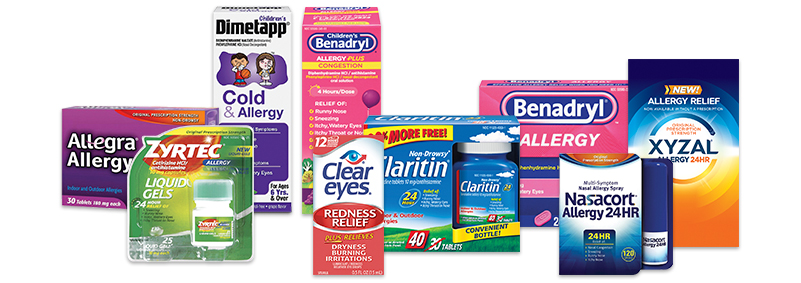
    There are also several medicines available to help control symptoms of allergic reactions, including:

    • antihistamines – these can be taken when you notice the symptoms of a reaction, or before being exposed to an allergen, to stop a reaction occurring
    • decongestants – tablets, capsules, nasal sprays or liquids that can be used as a short-term treatment for a blocked nose
    • lotions and creams, such as moisturising creams (emollients) – these can reduce skin redness and itchiness
    • steroid medicines – sprays, drops, creams, inhalers and tablets that can help reduce redness and swelling caused by an allergic reaction

    For some people with very severe allergies, a treatment called immunotherapy may be recommended.

    This involves being exposed to the allergen in a controlled way over a number of years so your body gets used to it and does not react to it so severely.

    What causes allergies?

    Allergies occur when the body’s immune system reacts to a particular substance as though it’s harmful.

    It’s not clear why this happens, but most people affected have a family history of allergies or have closely related conditions, such as asthma or eczema.

    The number of people with allergies is increasing every year.

    The reasons for this are not understood, but 1 of the main theories is it’s the result of living in a cleaner, germ-free environment, which reduces the number of germs our immune system has to deal with.

    It’s thought this may cause it to overreact when it comes into contact with harmless substances.

    Is it an allergy, sensitivity or intolerance?

    Allergy

    A reaction produced by the body’s immune system when exposed to a normally harmless substance.

    Sensitivity

    The exaggeration of the normal effects of a substance. For example, the caffeine in a cup of coffee may cause extreme symptoms, such as palpitations and trembling.

    Intolerance

    Where a substance causes unpleasant symptoms, such as diarrhoea, but does not involve the immune system.

    People with an intolerance to certain foods can typically eat a small amount without having any problems.

    Symptoms of an allergic reaction usually develop within a few minutes of being exposed to something you’re allergic to, although occasionally they can develop gradually over a few hours.

    Although allergic reactions can be a nuisance and hamper your normal activities, most are mild.

    Very occasionally, a severe reaction called anaphylaxis can occur.

    Main allergy symptoms

    Common symptoms of an allergic reaction include:

    • sneezing and an itchy, runny or blocked nose (allergic rhinitis)
    • itchy, red, watering eyes (conjunctivitis)
    • wheezing, chest tightness, shortness of breath and a cough
    • a raised, itchy, red rash (hives)
    • swollen lips, tongue, eyes or face
    • tummy pain, feeling sick, vomiting or diarrhoea
    • dry, red and cracked skin

    Itchy, red, watering eyes

    Raised, itchy, red rash (hives)

    The symptoms vary depending on what you’re allergic to and how you come into contact with it.

    For example, you may have a runny nose if exposed to pollen, develop a rash if you have a skin allergy, or feel sick if you eat something you’re allergic to.

    See your GP if you or your child might have had an allergic reaction to something. They can help determine whether the symptoms are caused by an allergy or another condition.

    Read more about diagnosing allergies.

    Severe allergic reaction (anaphylaxis)

    In rare cases, an allergy can lead to a severe allergic reaction, called anaphylaxis or anaphylactic shock, which can be life threatening.

    This affects the whole body and usually develops within minutes of exposure to something you’re allergic to.

    Signs of anaphylaxis include any of the symptoms above, as well as:

    • swelling of the throat and mouth
    • difficulty breathing
    • lightheadedness
    • confusion
    • blue skin or lips
    • collapsing and losing consciousness

    Anaphylaxis is a medical emergency that requires immediate treatment.

    Read more about anaphylaxis for information about what to do if it occurs.

    If you think you have an allergy, tell your GP about the symptoms you’re having, when they happen, how often they occur and if anything seems to trigger them.

    Your GP can offer advice and treatment for mild allergies with a clear cause.

    If your allergy is more severe or it’s not obvious what you’re allergic to, you may be referred for allergy testing at a specialist allergy clinic.

    Find your nearest NHS allergy clinic

    The tests that may be carried out are described on this page.

    Skin prick testing

    Skin prick testing is one of the most common allergy tests.

    It involves putting a drop of liquid onto your forearm that contains a substance you may be allergic to. The skin under the drop is then gently pricked.

    If you’re allergic to the substance, an itchy, red bump will appear within 15 minutes.

    Most people find skin prick testing not particularly painful, but it can be a little uncomfortable. It’s also very safe.

    Make sure you do not take antihistamines before the test, as they can interfere with the results.

    Blood tests

    Blood tests may be used instead of, or alongside, skin prick tests to help diagnose common allergies.

    A sample of your blood is removed and analysed for specific antibodies produced by your immune system in response to an allergen.

    Patch tests

    Patch tests are used to investigate a type of eczema known as contact dermatitis, which can be caused by your skin being exposed to an allergen.

    A small amount of the suspected allergen is added to special metal discs, which are then taped to your skin for 48 hours and monitored for a reaction.

    Elimination diet

    If you have a suspected food allergy, you may be advised to avoid eating a particular food to see if your symptoms improve.

    After a few weeks, you may then be asked to eat the food again to check if you have another reaction.

    Do not attempt to do this yourself without discussing it with a qualified healthcare professional.

    Challenge testing

    In a few cases, a test called a food challenge may also be used to diagnose a food allergy.

    During the test, you’re given the food you think you’re allergic to in gradually increasing amounts to see how you react under close supervision.

    This test is riskier than other forms of testing, as it could cause a severe reaction, but is the most accurate way to diagnose food allergies.

    And challenge testing is always carried out in a clinic where a severe reaction can be treated if it does develop.

    Allergy testing kits

    The use of commercial allergy-testing kits isn’t recommended.

    These tests are often of a lower standard than those provided by the NHS or accredited private clinics, and are generally considered to be unreliable.

    Allergy tests should be interpreted by a qualified professional who has detailed knowledge of your symptoms and medical history.

    The treatment for an allergy depends on what you’re allergic to. In many cases, a GP will be able to offer advice and treatment.

    They’ll advise you about taking steps to avoid exposure to the substance you’re allergic to, and can recommend medicines to control your symptoms.

    Avoiding exposure to allergens

    The best way to keep your symptoms under control is often to avoid the things you’re allergic to, although this is not always practical.

    For example, you may be able to help manage:

    • food allergies by being careful about what you eat
    • animal allergies by keeping pets outside as much as possible and washing them regularly
    • mould allergies by keeping your home dry and well-ventilated, and dealing with any damp and condensation
    • hay fever by staying indoors and avoiding grassy areas when the pollen count is high
    • dust mite allergies by using allergy-proof duvets and pillows, and fitting wooden floors rather than carpets

    Allergy medicines

    Medicines for mild allergies are available from pharmacies without a prescription.

    But always ask a pharmacist or GP for advice before starting any new medicine, as they’re not suitable for everyone.

    Antihistamines

    Antihistamines are the main medicines for allergies.

    They can be used:

    • as and when you notice the symptoms of an allergic reaction
    • to prevent allergic reactions – for example, you may take them in the morning if you have hay fever and you know the pollen count is high that day

    Antihistamines can be taken as tablets, capsules, creams, liquids, eye drops or nasal sprays, depending on which part of your body is affected by your allergy.

    Decongestants

    Decongestants can be used as a short-term treatment for a blocked nose caused by an allergic reaction.

    They can be taken as tablets, capsules, nasal sprays or liquids.

    Do not use them for more than a week at a time, as using them for long periods can make your symptoms worse.

    Lotions and creams

    Red and itchy skin caused by an allergic reaction can sometimes be treated with over-the-counter creams and lotions, such as:

    • moisturising creams (emollients) to keep the skin moist and protect it from allergens
    • calamine lotion to reduce itchiness
    • steroids to reduce inflammation

    Steroids

    Steroid medicines can help reduce inflammation caused by an allergic reaction.

    They’re available as:

    • nasal sprays and eye drops for an inflamed nose and eyes
    • creams for eczema and contact dermatitis
    • inhalers for asthma
    • tablets for hives (urticaria)

    Sprays, drops and weak steroid creams are available without a prescription.

    Stronger creams, inhalers and tablets are available on prescription from a GP.

    Immunotherapy (desensitisation) 

    Immunotherapy may be an option for a small number of people with certain severe and persistent allergies who are unable to control their symptoms using the measures above.

    The treatment involves being given occasional small doses of the allergen, either as an injection, or as drops or tablets under the tongue, over the course of several years.

    The injection can only be performed in a specialist clinic under the supervision of a doctor, as there’s a small risk of a severe reaction.

    The drops or tablets can usually be taken at home.

    The aim of treatment is to help your body get used to the allergen so it does not react to it so severely.

    This will not necessarily cure your allergy, but it’ll make it milder and mean you can take less medicine.

    Treating severe allergic reactions (anaphylaxis)

    Some people with severe allergies may experience life-threatening reactions, known as anaphylaxis or anaphylactic shock.

    If you’re at risk of this, you’ll be given special injectors containing a medicine called adrenaline to use in an emergency.

    If you develop symptoms of anaphylaxis, such as difficulty breathing, you should inject yourself in the outer thigh before seeking emergency medical help.

    Treating specific allergic conditions

    Use the links below to find information about how specific allergies and related conditions are treated:

    • hay fever
    • food allergies
    • allergic rhinitis
    • conjunctivitis
    • hives (urticaria)
    • eczema
    • contact dermatitis
    • asthma
  • Cough

    Cough

    A cough will usually clear up on its own within 3 to 4 weeks.

    How you can treat a cough yourself

    There’s usually no need to see a GP.

    You should:

    • rest
    • drink plenty of fluids

    You could also try:

    • hot lemon and honey (not suitable for babies under 1 year old)
    • a herbal medicine called pelargonium (suitable for people aged 12 or over)

    There’s limited evidence to show these work.

    How to make a hot lemon and honey drink

    Hot lemon with honey has a similar effect to cough medicines.

    Information:

    If you have a high temperature or a new, continuous cough, it could be coronavirus.

    Stay at home and use the 111 coronavirus service to find out what to do.

    You can ask a pharmacist about:

    • cough syrup
    • cough medicine (some cough medicines should not be given to children under 12)
    • cough sweets

    These will not stop your cough, but will help you cough less.

    Decongestants and cough medicines containing codeine will not stop your cough.

    Information:

    Do not go to a pharmacy if you have a high temperature or a new, continuous cough, it could be coronavirus. Ask someone to go for you if you can.

    What happens at your appointment

    To find out what’s causing your cough, your GP might:

    • take a sample of any mucus you might be coughing up
    • order an X-ray, allergy test, or a test to see how well your lungs work
    • refer you to hospital to see a specialist, but this is very rare

    Important

    Antibiotics are not normally prescribed for coughs.

    Your GP will only prescribe them if you need them – for example, if you have a bacterial infection or you’re at risk of complications.

    What causes coughs

    Most coughs are caused by a cold or flu.

    Other causes include:

    • smoking
    • heartburn (acid reflux)
    • allergies – for example, hay fever
    • infections like bronchitis
    • mucus dripping down the throat from the back of the nose

    A cough is very rarely a sign of something serious like lung cancer.

  • Hair Loss

    Hair Loss

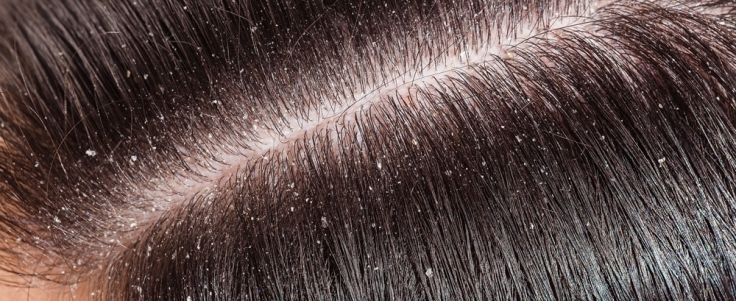
    Losing your hair isn’t usually anything to be worried about, but it can be upsetting. Treatment may help with some types of hair loss.

    Causes of hair loss

    It’s normal to lose hair. We can lose between 50 and 100 hairs a day, often without noticing.

    Hair loss isn’t usually anything to be worried about, but occasionally it can be a sign of a medical condition.

    Some types of hair loss are permanent, like male and female pattern baldness. This type of hair loss usually runs in the family.

    Other types of hair loss may be temporary. They can be caused by:

    • an illness
    • stress
    • cancer treatment
    • weight loss
    • iron deficiency

    Non-urgent advice:

    See a GP if:

    • you have sudden hair loss
    • you develop bald patches
    • you’re losing hair in clumps
    • your head also itches and burns
    • you’re worried about your hair loss

    Information:

    Coronavirus update: how to contact a GP

    It’s still important to get help from a GP if you need it. To contact your GP surgery:

    • visit their website
    • use the NHS App
    • call them

    Find out how to get medical help from home.

    What happens at your appointment

    Your GP should be able to tell you what’s causing your hair loss by looking at your hair.

    Tell your GP if your hair loss is affecting your wellbeing, and ask what treatments are available.

    Important

    See your GP first to get a clear and accurate idea of what’s causing your hair loss before thinking about going to a commercial hair clinic, which can be expensive.

    Treatment for hair loss

    Most hair loss doesn’t need treatment and is either:

    • temporary and it’ll grow back
    • a normal part of getting older

    Hair loss caused by a medical condition usually stops or grows back once you have recovered.

    There are things you can try if your hair loss is causing you distress. But most treatments aren’t available on the NHS, so you’ll have to pay for them.

    No treatment is 100% effective.

    Finasteride and minoxidil

    Finasteride and minoxidil are the main treatments for male pattern baldness.

    Minoxidil can also be used to treat female pattern baldness. Women shouldn’t use finasteride.

    These treatments:

    • don’t work for everyone
    • only work for as long as they’re used
    • aren’t available on the NHS
    • can be expensive

    Wigs

    Some wigs are available on the NHS, but you may have to pay unless you qualify for financial help.

    Synthetic wigs:

    • last 6 to 9 months
    • are easier to look after than real-hair wigs
    • can be itchy and hot
    • cost less than real-hair wigs

    Real-hair wigs:

    • last 3 to 4 years
    • are harder to look after than synthetic wigs
    • look more natural than synthetic wigs
    • cost more than synthetic wigs

    Find out more about NHS wigs and costs

    Other hair loss treatments

    Treatment

    Description

    Steroid injection

    injections given into bald patches

    Steroid creams

    cream applied to bald patches

    Immunotherapy

    chemical applied to bald patches

    Light treatment

    shining ultraviolet light on bald patches

    Tattooing

    tattoo used to look like short hair and eyebrows

    Hair transplant

    hair cells are moved to thinning patches

    Scalp reduction surgery

    sections of scalp with hair are stretched and stitched together

    Artificial hair transplant

    surgery to implant artificial hairs

    Some of these treatments may not be available on the NHS.

    Find out more about cancer and hair loss

    Emotional help

    Losing hair can be upsetting. For many people, hair is an important part of who they are.

    If your hair loss is causing you distress, your GP may be able to help you get some counselling.

    You may also benefit from joining a support group, or speaking to other people in the same situation on online forums.

    Try these online support groups:

  • Osteoporosis

    Osteoporosis

    Treating osteoporosis involves treating and preventing fractures, and using medicines to strengthen bones.

    Although a diagnosis of osteoporosis is based on the results of your bone density scan, the decision about what treatment you need, if any, is based on a number of other factors including your:

    • age
    • sex
    • risk of breaking a bone
    • previous injury history

    If you’ve been diagnosed with osteoporosis because you’ve had a broken bone, you should still receive treatment to try to reduce your risk of further broken bones.

    You may not need or want to take medicine to treat osteoporosis.

    However, make sure you’re getting enough calcium and vitamin D.

    To achieve this, your healthcare team will ask you about your diet and may recommend that you make changes or take supplements.

    Medicines for osteoporosis

    A number of different medicines are used to treat osteoporosis (and sometimes osteopenia).

    Bisphosphonates

    Bisphosphonates slow the rate that bone is broken down in your body. This maintains bone density and reduces your risk of a broken bone.

    There are a number of different bisphosphonates, including:

    • alendronic acid
    • ibandronic acid
    • risedronic acid
    • zoledronic acid

    They’re given as a tablet or injection.

    Always take bisphosphonates on an empty stomach with a full glass of water. Stand or sit upright for 30 minutes after taking them. You’ll also need to wait between 30 minutes and 2 hours before eating food or drinking any other fluids.

    Bisphosphonates usually take 6 to 12 months to work, and you may need to take them for 5 years or longer.

    You may also be prescribed calcium and vitamin D supplements to take at a different time to the bisphosphonate.

    The main side effects associated with bisphosphonates include:

    • irritation to the foodpipe
    • swallowing problems
    • stomach pain

    Osteonecrosis of the jaw is a rare side effect linked with the use of bisphosphonates, although most frequently with high-dose intravenous bisphosphonate treatment for cancer and not for osteoporosis.

    In osteonecrosis, the cells in the jaw bone die, which can lead to problems with healing. If you have a history of dental problems, you may need a check-up before you start treatment with bisphosphonates. Speak to your doctor if you have any concerns.

    Read more about bisphosphonates for treating osteoporosis.

    Selective oestrogen receptor modulators (SERMs)

    SERMs are medicines that have a similar effect on bone as the hormone oestrogen. They help to maintain bone density and reduce the risk of fracture, particularly of the spine.

    Raloxifene is the only type of SERM available for treating osteoporosis. It’s taken as a daily tablet.

    Side effects associated with raloxifene include:

    • hot flushes
    • leg cramps
    • a potential increased risk of blood clots

    Read more about raloxifene for treating osteoporosis.

    Parathyroid hormone

    Parathyroid hormone is produced naturally in the body. It regulates the amount of calcium in bone.

    Parathyroid hormone treatments (such as teriparatide) are used to stimulate cells that create new bone. They’re given by injection.

    While other medicines can only slow down the rate of bone thinning, parathyroid hormone can increase bone density. However, it’s only used in a small number of people whose bone density is very low and when other treatments are not working.

    Nausea and vomiting are common side effects of the treatment.

    Read more about teriparatide for treating osteoporosis.

    Calcium and vitamin D supplements

    Calcium is the main mineral found in bone, and having enough calcium as part of a healthy, balanced diet is important for maintaining healthy bones.

    For most healthy adults, the recommended amount of calcium is 700 milligrams (mg) of calcium a day, which most people should be able to get from a varied diet that contains good sources of calcium.

    However, if you have osteoporosis, you may need more calcium, usually as supplements. Ask your GP for advice about taking calcium supplements.

    Vitamin D helps the body absorb calcium. All adults should have 10 micrograms of vitamin D a day.

    From about late March/early April to the end of September, most people should be able to get all the vitamin D they need from sunlight on their skin.

    But since it’s difficult to get enough vitamin D from food alone, everyone (including pregnant and breastfeeding women) should consider taking a daily supplement containing 10 micrograms of vitamin D during the autumn and winter.

    For more information, read about who should take vitamin D supplements.

    HRT (hormone replacement therapy)

    HRT is sometimes taken by women who are going through the menopause, as it can help control symptoms.

    HRT has also been shown to keep bones strong and reduce the risk of breaking a bone during treatment.

    However, HRT is not specifically recommended for treating osteoporosis and is rarely used for this purpose.

    This is because HRT slightly increases the risk of developing certain conditions – such as breast cancer, endometrial cancer, ovarian cancer, stroke and venous thromboembolism – more than it lowers the risk of osteoporosis.

    Discuss the benefits and risks of HRT with your GP.

    Read more about the risks of HRT.

    Testosterone treatment

    In men, testosterone treatment can be useful when osteoporosis is caused by low levels of male sex hormones.

    Treating a broken bone caused by osteoporosis

    The Strong Bones After 50 patient booklet from the Royal College of Physicians has advice for people who have broken a bone after a fall, and their families and carers.

    It explains what a fragility fracture is, and what type of treatment you can expect.

  • Antacids

    Antacids

    Antacids are medicines that counteract (neutralise) the acid in your stomach to relieve indigestion and heartburn.

    They come as a liquid or chewable tablets and can be bought from pharmacies and shops without a prescription.

    When antacids are used

    Antacids may help if you have:

    • indigestion
    • heartburn or acid reflux – also known as gastro-oesophageal reflux disease (GORD)
    • a stomach ulcer
    • gastritis (inflammation of the stomach lining) 

    They can quickly relieve your symptoms for a few hours. But they do not treat the underlying cause and long-term use is not recommended.

    Speak to a GP if you find you need to take antacids regularly.

    Common types of antacids

    Many different types of antacid are available. Some are sold under a brand name and others are named after their main ingredient.

    Ingredients to look for include:

    • aluminium hydroxide
    • magnesium carbonate
    • magnesium trisilicate
    • magnesium hydroxide
    • calcium carbonate
    • sodium bicarbonate

    Some antacids also contain other medicines, such as an alginate (which coats your gullet with a protective layer) and simeticone (which reduces flatulence).

    How and when to take antacids

    Check the instructions on the packet or leaflet to see how much antacid to take and how often. This depends on the exact medicine you’re taking.

    Antacids should be used when you have symptoms or think you will get them soon – for most people, the best time to take them is with or soon after meals, and just before going to bed.

    Remember that doses for children may be lower than for adults.

    Contact a GP or pharmacist, or call NHS 111, if you take too much of the medicine and start to feel unwell.

    Taking antacids with food, alcohol and other medicines

    It’s best to take antacids with food or soon after eating because this is when you’re most likely to get indigestion or heartburn.

    The effect of the medicine may also last longer if taken with food.

    Antacids can affect how well other medicines work, so do not take other medicines within 2 to 4 hours of taking an antacid.

    You can drink alcohol while taking antacids, but alcohol can irritate your stomach and make your symptoms worse.

    Side effects of antacids

    Antacids do not usually have many side effects if they’re only taken occasionally and at the recommended dose.

    But sometimes they can cause:

    • diarrhoea or constipation
    • flatulence (wind)
    • stomach cramps
    • feeling sick or vomiting

    These should pass once you stop taking the medicine.

    Speak to a pharmacist or a GP if side effects do not improve or are troublesome. You may need to switch to another medicine.

    Who may not be able to take antacids

    Antacids are safe for most people to take, but they’re not suitable for everyone.

    Speak to a pharmacist or a GP for advice first if you:

    • are pregnant or breastfeeding – most antacids are considered safe to take while pregnant or breastfeeding, but always get advice first
    • are looking for a medicine for a child under 12 years of age – some antacids are not recommended for children
    • have liver disease, kidney disease or heart failure – some antacids may not be safe if you have one of these problems
    • have an illness that means you need to control how much salt (sodium) is in your diet, such as high blood pressure or cirrhosis – some antacids contain high levels of sodium, which could make you unwell
    • are taking other medicines – antacids can interfere with other medicines and may need be avoided or taken at a different time
  • Cystitis

    Cystitis

    WHAT IS CYSTITIS?

    Cystitis, a common type of urinary tract infection (UTI), is characterised by inflammation of the bladder. It is more of a nuisance than a serious concern, causing many women to seek fast and effective treatment.

    Cystitis affects more women than men. This is due to the fact that women have a smaller proximity between the urethra and back passage – making it easier for bacteria to infect the bladder.

    Cystitis can occur suddenly (acute) or as a result of a chronic case that affects multiple layers of the bladder. The latter case is called interstitial cystitis (IC).

    WHAT ARE THE SYMPTOMS OF CYSTITIS?

    Most symptoms of cystitis go away between 4 to 9 days. However, many women seek antibiotic treatment to treat their symptoms faster as cystitis can be painful and debilitating. Some of the common symptoms of cystitis include:

    • Pain when urinating, sometimes accompanied by burning or stinging
    • Urinating more frequently
    • Abdominal and stomach pain
    • A change in urine colour, often resulting in it becoming cloudy, dark and stronger smelling
    • Blood in the urine, making it slightly pink
    • Cold-like symptoms, including achiness, nausea and lethargy

    Though a mild condition, cystitis may spread to your kidneys. When it does, watch out for the following symptoms as this is a serious health issue:

    • Chills
    • Vomiting
    • Nausea
    • Pain in your back or sides

    Fever or blood in the urine may also be caused by something more serious than a bladder infection. Seek medical attention as soon as possible if you have concerns.

    WHAT CAUSES CYSTITIS?

    Because the urethra is much shorter in the female anatomy, cystitis is much more common in women. In men, the infection can be linked to more serious conditions such as kidney or prostate infections and, in a worst-case scenario, cancer.

    There are many possible causes of cystitis. These include:

    • Urinary tract infection
    • Irritating hygiene products
    • Use of a catheter
    • Radiation
    • Taking certain medications

    Acute and interstitial cystitis can be caused by a variety of factors. We have categorised these factors below in order to help you understand the causes in more depth:

    BACTERIAL CYSTITIS

    Bacterial Cystitis happens when bacteria enters the urethra and infects your bladder. The most common type of bacteria responsible for this type of cystitis is e-coli. Around 80% of urinary tract infections are caused by bacteria from the bowel that reach your urinary tract.

    Factors that can play a part in the development of bacterial cystitis include:

    • Underwear — tight underwear can spread bacteria to the opening of the urethra
    • Hygiene — the proximity between the urethra and the anal passage means unkempt hygiene can lead to a build-up of bacteria
    • Diabetes — diabetics tend to have high sugar content in their urine, meaning bacteria can grow more easily
    • A full bladder — residual urine can increase the amount of bacteria present

    The likelihood of bacterial cystitis is heightened by sexual activity but it is not considered a sexually transmitted disease.

    RADIATION CYSTITIS

    Radiation therapy does not only kill cancer cells and tumours – it can also damage healthy cells. If you’ve had radiation treatment in your pelvic area, your chances of getting an inflamed bladder are high.

    DRUG-INDUCED CYSTITIS

    The majority of medicines you consume will leave the body through your urinary system. Some medications like chemotherapy drugs (i.e. ifosfamide and cyclophosphamide) can irritate your bladder when passing through.

    CHEMICAL CYSTITIS

    Chemical cystitis is caused by hygiene products like feminine sprays, bubble bath chemicals, and spermicidal jellies. Over or improper use of these products can lead to irritation and infection.

    FOREIGN BODY CYSTITIS

    Foreign body cystitis is usually caused by the ongoing use of a catheter – a tube used to facilitate the release of urine from the bladder. Using a catheter increases your risks of developing a bacterial infection and damaging surrounding tissue.

    HOW CAN I TREAT CYSTITIS?

    Mild cystitis goes away on its own over time. However, if your symptoms are affecting your daily life, you can seek treatment for cystitis from Express Pharmacy.

    Lifestyle changes to prevent and treat cystitis include drinking lots of water, drinking cranberry juice, improving personal hygiene, and wearing more breathable underwear. You can also apply heat pads to your back or lower abdomen to relieve uncomfortable symptoms.

    Using over the counter pain relievers can also help alleviate the symptoms of cystitis. We currently stock Trimethoprim tablets and Nitrofurantoin – both Cystitis medications are designed to kill bacteria commonly associated with urinary tract infections.

    HOW COMMON IS CYSTITIS?

    Cystitis is more common in women than in men. Between 20 and 40% of women will experience cystitis at some point in their lifetime, and one in five women live with recurrent cystitis. Every year, over 4 million women in the UK develop the infection. It’s particularly common in women who are postmenopausal, pregnant or sexually active.

    Although not as common in men, those with an enlarged prostate have a higher risk of developing cystitis because of the retention of urine in the bladder.

    HOW CAN I PREVENT CYSTITIS?

    Although easy to treat, it’s worth taking measures to prevent cystitis from coming back:

    Stay Hydrated: Drinking plenty of water, urinating frequently, and avoiding tight underwear can help reduce your risk of cystitis.

    Wipe Properly: Always wipe from front to back after moving your bowel. Remember that most urinary tract infections are caused by bacteria from the bowel that reach your urinary tract.

    Wash Carefully: Proper hygiene like washing the skin around the vagina and anus regularly is also a good preventive measure. Just be careful not to use harsh soaps and avoid washing too vigorously. It’s also strongly advised to avoid using feminine products in the genital area.

    Use Catheters Correctly: For catheter users, ask your doctor or nurse about the best way to change a catheter without damaging any tissues in your urinary tract.

    TALK TO US TODAY

    Cystitis, by itself, is not life-threatening; but it can be a nuisance to deal with. Browse our cystitis treatments on this page or get in touch with us to see how we can help improve your symptoms.

  • Hay Fever Relief

    Hay Fever Relief

    WHAT IS HAY FEVER?

    Hay fever is the most common seasonal non-infectious allergy in the UK, affecting between up to 30% of all adults and nearly 40% of children.(https://waojournal.biomedcentral.com/articles/10.1186/1939-4551-7-12) The Met Office have recently reported that 1 in 5 of the UK population will suffer from hay fever symptoms in 2019.

    Clinically referred to as Seasonal Allergic Rhinitis, Hay fever is an allergy that is caused by different types of pollen grains that are spread during a particular season. The symptoms of hay fever occur wherever there is a sensitivity to pollen, triggering the release of histamines which creates an inflammatory response to protect the endangered area.

    Unlike certain allergies to fur or certain materials, hay fever isn’t usually prevalent throughout the year and is dependent on the pollen count in the air, and the underlying weather conditions. In the UK this is usually from March, all the way through to October. The dawn of Spring usually brings the most dense spread of pollen (or peak release period), given the arrival of fresh grass, new plants and flowers being pollinated.

    In the UK this is usually from March, all the way through to October, however, moderate pollen release can be active from late January. The dawn of Spring usually brings the most dense spread of pollen, given the arrival of fresh grass, new plants and flowers being pollinated.

    There are three main phases during the pollen season in the UK, with the peak release period for each spread being different. During each phase, different types of pollen will be released from plants, trees and weeds:

    • Tree Pollen: This phase begins its peak release in February and constitutes the most types of pollen from different types of trees like Hazel, Alder and Willow. It lasts until June thanks to Lime and Pine tree pollen, overlapping with the other two phases. PEAK POLLEN RELEASE – March to May
    • Grass Pollen: Typically the longest lasting phase, occurring anywhere between April and September. PEAK POLLEN RELEASE – May to July
    • Weed Pollen: Much like the grass pollen phase, weeds like oilseed rape and nettle release their pollen between April and September, with their peak release period being during the summer months, hence overlapping with the other two phases. PEAK POLLEN RELEASE – July to September

    WHAT ARE THE SYMPTOMS OF HAY FEVER?

    The rise in pollen activity has a direct impact on hay fever sufferers, causing typical allergic reaction symptoms like sneezing, red and itchy eyes, coughing and fatigue. Recent years have seen new types of pollen in the air, thereby creating new hay fever sufferers (who may have never experienced it before) and exacerbating the symptoms of pre-existing sufferers.

    WHAT IS THE CAUSE OF HAY FEVER?

    Hay fever is triggered by the spread of allergens, specifically pollen, during the early stages of Spring all the way through to the end of Autumn.

    When an allergen like pollen comes into contact with someone who is either intolerant to pollen or allergic to it, your immune system will recognise it as a potential threat and react naturally to protect you against it.

    If your immune system develops a sensitivity to pollen, it will be reacted by producing specific antibodies called immunoglobulin E (IgE). Whenever you come into contact with pollen by way of your throat, eyes or nose, these antibodies will cause cells in your body to release a chemical called Histamine. Ordinarily, the histamine from these cells would come into play in order to fight infection. Due to the increased presence of allergens, the cells recognise the risk and become overly sensitive. The subsequent release of Histamine is what causes the typical symptoms of an allergic reaction like hay fever such as sneezing, a blocked or runny nose or itchy eyes.

    WHO IS AT RISK OF HAY FEVER?

    Hay fever can affect anyone at any stage of their life and it is not yet fully understood why certain individuals develop sensitivity to allergens such as pollen.

    It is widely accepted that your environment will affect your susceptibility to developing allergies, with a number of studies showing the link between allergies and growing up in dusty, smoke-filled environments.

    Studies have also shown that if you have a history of allergies in your family, you may be more susceptible to suffer from hay fever at some stage.

    If there is a history of allergic sensitivity in your family, it is clinically referred to as “atopy.” People who have atopy will have a genetic predisposition to develop allergic conditions like hay fever. This is due to the heightened immune response in your body when reacting to allergens such as pollen, resulting in an above normal production of antibodies (IgE).

    HOW DO I TREAT HAY FEVER?

    Sufferers of hay fever are largely at the mercy of environmental and seasonal conditions that are out of our control. For those of us who suffer from the symptoms during hay fever season, we are at the mercy of the dreaded UK pollen count, especially if our jobs or lifestyle require us to spend to time outside in nature. Avoiding the allergens during these months can be almost impossible. The symptoms and their severity can vary from person to person. In particularly bad cases, hay fever can make everyday life very difficult, with endless bouts of sneezing, itchy eyes and fatigue.

    Fortunately, there are a number of different types of prescription hay fever treatments options available that can help to alleviate the discomfort and allow you to function normally.

    ANTIHISTAMINE TABLETS

    How do antihistamines work?

    Antihistamines function by preventing the inflammatory response caused by sensitivity to pollen and the subsequent release of histamines. They are fast-acting (effective within 30 minutes) and in the case of certain medications can be taken in anticipation of hay fever season.

    NASAL SPRAYS

    EYE DROPS

    HOW CAN I PREVENT HAY FEVER?

    During hay fever season in the UK (between late February and late October) or whenever the pollen count is unusually high, it can be very difficult to avoid exposure to allergens, pollen or dust.

    For many people that suffer from hay fever, it can be difficult to lead a normal life without being exposed to pollen. In the majority of cases, medication is the most efficient recourse. That being said, there are still a number of precautionary measures that you can take in order to mitigate the debilitating effects of hay fever:

    • Wear sunglasses during the day to protect your eyes from pollen
    • Keep an antipollution face mask with you
    • Try to keep windows closed at home or in the car if you’re travelling
    • Try to avoid gardening activities
    • Monitor the regional UK pollen count
    • Invest in a high quality air purifier for use at home, preferably one with a replaceable carbon filter. This can remove impurities, dust and pollen from your home.
    • Reduce your alcohol intake. Nearly 95% of hay fever sufferers are allergic to grass pollen and alcoholic drinks contain histamines!