Category: Treatments And Advice

  • Microsuction Ear Wax Removal

    Microsuction Ear Wax Removal

    If you are suffering from loss of hearing or perhaps one or both of your ears are itching or aching despite having tried out everything you possibly could to improve and resolve the symptoms, then you have a buildup of earwax that should be treated by a professional.

    Good news is, here at Warwick Pharmacy, we are now offering Microsuction Ear Wax Removal Service by our expert and professionally trained pharmacists.

    Why Microsuction?

    Microsuction Ear Wax Removal

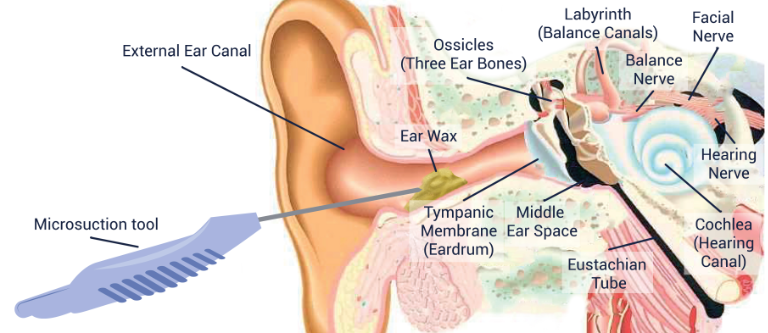
    Microsuction is the most modern, advanced, safest, and pain-free form of ear wax removal. It is the most effective and safest form of earwax removal as it avoids touching the sensitive area around the ear canal and avoids contact with the eardrum.

    This method does not use high pressure water suction as seen with a syringing technique, therefore allowing it to be the safest, fastest and cleanest method of Ear Wax Removal.

    What is the Procedure?

    We strongly advise our patients to apply one to two drops of olive oil into their affected ear/s, for at least 5 days prior to but not on the day of the treatment.

    We will take a comprehensive medical history of the patient on the day of the appointment to ensure patient’s safety.

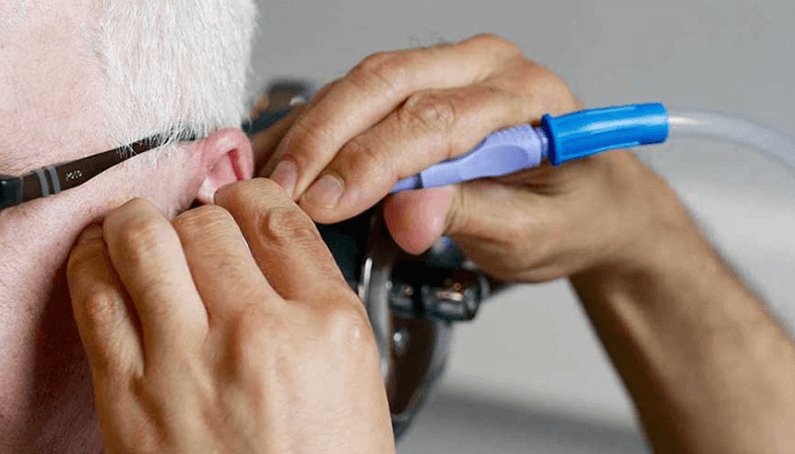
    After a microscopic examination of the inner ear canals and ear drums, the Pharmacist will use a low pressure suction probe in order to gently and safely remove earwax. The Pharmacist will wear a pair of illuminated microscopes, namely ‘loupes’, and air will be heard rushing through the suction wand during the procedure. There may be an occasional mild ‘pop’ as the wax is sucked through the probe. Generally, the appointment will be painless resulting the patient with better hearing and healthy ears!

    Treatment Prices

    • Consultation fee (no wax): £20
    • Microsuction For One Ear: £40
    • Microsuction For Both Ears: £60

    Walk in Service for consultation is available at the Pharmacy. You can Also Book Online Here or just give us a call or send us an email to book an appointment.

    Book Online Now

    Please Select the Service, Pick a date and time slot for an appointment. Note that, Payment will be collected at the pharmacy on the day of the appointment.

    [ameliacatalog category=3 employee=1]


  • Blisters

    Blisters

    Blisters should heal on their own within a week. They can be painful while they heal, but you shouldn’t need to see a GP.

    How you can treat a blister yourself

    To relieve any pain, use an ice pack (or a bag of frozen vegetables wrapped in a towel) on the blister for up to 30 minutes.

    To protect the blister and help prevent infection:

    Do

    • cover blisters that are likely to burst with a soft plaster or dressing
    • wash your hands before touching a burst blister
    • allow the fluid in a burst blister to drain before covering it with a plaster or dressing

    Don’t

    • do not burst a blister yourself
    • do not peel the skin off a burst blister
    • do not pick at the edges of the remaining skin
    • do not wear the shoes or use the equipment that caused your blister until it heals

    A pharmacist can help with blisters

    To protect your blister from becoming infected, a pharmacist can recommend a plaster or dressing to cover it while it heals.

    A hydrocolloid dressing can help reduce pain and speed up healing.

    Check if you have a blister

    Blisters are small pockets of clear fluid under a layer of skin.

    Blood blisters are red or black and filled with blood instead of clear fluid.

    If the blister is infected it can be red, hot and filled with green or yellow pus.

    Important

    Don’t ignore an infected blister. Without treatment it could lead to a skin or blood infection.

    Non-urgent advice:

    See a GP if:

    • a blister is very painful or keeps coming back
    • the skin looks infected – it’s red, hot and the blister is filled with green or yellow pus
    • a blister is in an unusual place – such as your eyelids, mouth or genitals
    • several blisters have appeared for no reason
    • a blister was caused by a burn or scald, sunburn, or an allergic reaction
  • Emergency Contraception

    Emergency Contraception

    THE MORNING AFTER PILL

    Support, guidance and medication for women seeking emergency contraceptive treatment

    Like condoms and other forms of contraception, the morning after pill is an effective method for reducing the risk of pregnancy as a result of sexual intercourse.

    There are two kinds of emergency contraception. The first of these is the morning after pill, otherwise known as the emergency contraceptive pill (Levonelle or ellaOne). The other is the intrauterine device (IUD or coil).

    DID YOU KNOW?

    You are not alone in considering emergency contraception. Recent figures suggest that as many as one in five UK women between 18 and 35 take the morning after pill at least once a year.

    WHAT DOES THE MORNING AFTER PILL DO?

    The morning after pill is a form of emergency hormonal contraception (EHC) taken to prevent pregnancy after unprotected sex. It is an emergency contraception which is commonly taken if contraception wasn’t used during sexual intercourse, or if the method of contraception failed (e.g. a split condom). Guidelines state that the morning after pill should be taken as quickly as possible after having unprotected sex for it to be most effective.

    While the morning after pill is an effective way of preventing pregnancy it should only be taken as an emergency rather than a regular contraceptive method. It is also important to note that neither the morning after pill or an IUD will help to prevent sexually transmitted diseases or infections.

    WHEN TO TAKE THE MORNING AFTER PILL

    The earlier the morning after pill is taken after intercourse, the more effective it is when it comes to preventing pregnancy. Different forms of the emergency contraceptive pill can be taken for different lengths of time after sex. For example, Levonelle must be taken within 72 hours (3 days) of sex in order to prevent pregnancy. It does not interfere with your regular method of contraception. However, the longer you wait the less effective the pill becomes. Alternatively, elleOne can be taken up to 120 hours after sex (5 days) to prevent pregnancy.

    MORNING AFTER PILL EFFECTIVENESS

    The morning after pill is an effective post-coital method of protection against pregnancy, especially if taken within 12 hours after intercourse has taken place. Both Levonelle and ellaOne are proven to be effective in significantly reducing the risk of pregnancy from unprotected or not-fully protected sex.

    Levonelle is known to be most effective when taken within 12 hours of sexual intercourse. Studies have found that it can prevent up to 95% of pregnancies when taken within 24 hours. ellaOne can be used up to 5 days after sex and, unlike Levonelle, it has a 95% chance of success throughout the 5-day window.

    SIDE EFFECTS OF THE MORNING AFTER PILL

    Contrary to common misconception, there are very rarely serious or long-term side effects relating to the morning after pill. However, like all medication it carries a small risk of mild side effects that usually resolve themselves on their own in a short space of time.

    These side effects can include:

    • Stomach ache
    • Headache
    • Nausea
    • Changes to your next period – it may be earlier, later or more painful than usual
    • Vomiting. You should seek medical attention if you are sick within 2–3 hours of taken the morning after pill.

    You should also seek medical attention if:

    • Your next period is more than 7 days late
    • You think you may be pregnant
    • Your period is shorter or considerably lighter than usual
    • You have a sudden sense of pain in your lower tummy. This could be a sign of an extremely rare condition known as ectopic pregnancy, when a fertilised egg may have implanted outside the womb.

    WHERE CAN I GET THE MORNING AFTER PILL?

    Some women worry about how to obtain the morning after pill, but in reality there are many different ways to access emergency contraception.

    People often get confused about the nature of the morning after pill. The morning after pill is not designed as a medication to terminate pregnancies nor does it affect the chance of a woman conceiving in the future. Speaking to a qualified pharmacist is often the best way to get the right information and to fully understand the nature of this medication.

     Daman Bhamra, Express Pharmacy

    Emergency contraception can be obtained in person at contraception clinics, sexual health clinics, NHS walk-in centres, pharmacies, and certain GPs, young people’s clinics and accident and emergency departments (A&E).

    You can also order the morning after pill online from trusted sources like Express Pharmacy, if you are aged 16 or older. This is a good way to access the medication discreetly without having to worry about travelling to a clinic or doctor’s surgery. It also allows you to access the medication in advance if you know you will need it in the near future, such as if you are going on holiday.

    MORNING AFTER PILL BREASTFEEDING

    The morning after pill is considered compatible with breastfeeding, so it can be used by women who are currently nursing. Combination morning after pills contain both oestrogen and progestin. Higher levels of oestrogen in particular have been linked to a lower milk supply in nursing new mothers. As consequence of this, there may be a slight drop in milk supply for a few days after taking the morning after pill. However, milk supply should rebound within a matter of days.

    DIFFERENT MORNING AFTER PILLS: WHICH ONE IS RIGHT FOR ME?

    If you are considering taking emergency contraception in the form of an oral pill, there are two main options to choose from. As discussed briefly earlier, these are Levonelle and ellaOne. Both of these options are considered highly effective post-coital contraceptive measures for the prevention of pregnancy.

    LEVONELLE

    Levonelle is the trade name of the treatment levonorgestrel, which was first licensed for use in the UK in 2004. It has been developed as an effective emergency contraceptive pill which can be taken orally within 72 hours of unprotected sex. It becomes less effective the longer you wait to take it after intercourse. It works by stopping the ovaries from releasing an egg and preventing sperm from fertilising any egg which may have been released.

    ELLAONE

    ellaOne is the trade name of the treatment ulipristal acetate; a prescription only medication which was launched in the UK and licensed for use throughout Europe. It comes in the form of a single oral tablet that can be taken up to 120 hours after sex as a means of inhibiting or delaying ovulation, therefore preventing pregnancy. It can be taken with or without food.

    HOW MUCH IS THE MORNING AFTER PILL?

    The cost of emergency contraception varies depending on the medication you choose. For up to date pricing on the prescription medications stocked here at Express Pharmacy, visit the ellaOne or Levonelle pages.

    SHOULD I CONSIDER AN IUD?

    An IUD (intrauterine device) is an alternative form of emergency contraception. It is a small, T-shaped plastic and copper device which is inserted directly into the womb by a doctor or nurse. The release of copper inhibits the processes that lead to pregnancy and can protect you for between 5 and 10 years. As such, the IUD is a long-term method of contraception with a 99% effectiveness rate. However, it can increase the flow, length and severity of your period for several months after insertion, and it does not protect against STIs.

  • Jet lag

    Jet lag

    Jet lag is when your normal sleep pattern is disturbed after a long flight. Symptoms usually improve within a few days as your body adjusts to the new time zone.

    Ways to reduce jet lag

    Jet lag cannot be prevented, but there are things you can do to reduce its effects.

    Before you travel

    Do

    • get plenty of rest
    • relax before going to bed and follow good sleep practices
    • gradually change your sleep routine – start going to bed and getting up an hour or two earlier or later than usual (in line with the time of your destination)

    Don’t

    • do not eat large meals, exercise, use electronic gadgets, or drink alcohol or caffeinated drinks before bedtime

    During your flight

    Do

    • drink plenty of water
    • sleep if it’s a normal time for sleeping at your destination
    • use an eye mask and earplugs if they help you sleep
    • keep active by stretching and regularly walking around the cabin

    Don’t

    • do not drink too much caffeine or alcohol – they can make jet lag worse

    After you arrive

    Do

    • change your sleep schedule to the new time zone as quickly as possible
    • set an alarm to avoid oversleeping in the morning
    • go outside during the day – natural light will help your body clock adjust

    Don’t

    • do not go to sleep until a reasonable hour for your new destination

    If your trip is short (2 to 3 days) it may be better to stay on “home time”.

    If possible, eat and sleep at the times you would at home.

    There’s no treatment for jet lag

    Medicines are not usually needed for jet lag.

    Symptoms often improve after a few days as your body clock adjusts to the new time zone.

    Sleeping tablets may be helpful if you’re having problems sleeping (insomnia). They can be addictive so should only be used for a short time and if symptoms are severe.

    Melatonin is a chemical released by the body in the evening to let your brain know it’s time to sleep. Melatonin supplements are not recommended for jet lag because there is not enough evidence to show they work.

    Symptoms of jet lag

    The main symptoms are sleep-related. They include:

    • difficulty sleeping at bedtime and waking up in the morning
    • tiredness and exhaustion
    • finding it difficult to stay awake during the day
    • poor sleep quality
    • concentration and memory problems

    Jet lag can also be associated with indigestion, constipation, diarrhoea and bloating.

  • Blood Pressure Monitors

    Blood Pressure Monitors

    How to choose a blood pressure monitor and measure your blood pressure at home

    Find out how to choose a reliable blood pressure monitor so you can measure your blood pressure at home.

    What is a normal blood pressure reading?

    A normal blood pressure reading is below 140/90, but if you have heart or circulatory disease, diabetes or kidney disease, your blood pressure should ideally be less than 130/80.

    If you want to monitor your blood pressureat home, it can be a good idea to get a blood pressure machine that lets you keep a track of your blood pressure readings at times that are suitable for you, in the comfort of your own home.

    How to choose a home blood pressure monitor

    If you decide to take your blood pressure at home, you will need to get a home blood pressure monitor. There is a wide range of home blood pressure monitors available, but it is important to be sure that the blood pressure monitor you choose is accurate and the right one for you.

    • Ask your doctor: If your doctor asks you to measure your blood pressure at home or to wear an ambulatory blood pressure monitor in order to diagnose hypertension, they will provide a monitor that you can borrow for a set period of time.
    • Buy a monitor with an upper cuff: If you are buying a home blood pressure monitor, choose one that measures your blood pressure at your upper arm, not your wrist or finger. The cheapest ones start from £10 and are available in most local pharmacies and larger supermarkets.
    • Make sure the cuff is the right size for your arm: Make sure you have the right cuff size for your arm. It should wrap snugly around your upper arm, with just enough space to slide two fingertips underneath. Most home blood pressure monitors will come with a medium-sized cuff. If your upper arm is particularly larger or smaller than average, you may need to buy a different sized cuff separately.
    • Make sure it’s UK approved: If you are buying a blood pressure monitor, make sure it is approved for use in the UK. To make sure your monitor is accurate, choose one that has been listed as validated for accuracy by the British and Irish Hypertension Society (BIHS). This means that the digital monitor has gone through a series of tests to make sure it gives results that you and your doctor can trust.
    • Make sure you get it serviced  every 2 years: It needs to be regularly serviced and calibrated to make sure it is accurate – generally, at least once every two years. This usually involves sending it back to the manufacturer, who will probably charge a fee for this. If this option is too complicated or expensive it may be easier and cheaper to buy a new monitor.

    See a list of monitors validated by the British and Irish Hypertension society.

    Some monitors will have a memory to store your readings. These may cost more than more basic versions, but recording your measurements on a pen and paper will work just as well.

    How to check your blood pressure using a blood pressure machine

    1. In order for it to be an accurate reading it’s important that you’re resting and that you’re not feeling anxious or stressed.
    2. Sit upright in a chair, your back against the back of the chair, and place your feet flat on the floor.
    3. Rest your arm on a table if you have one and just make sure your hand and arm are relaxed on the table. It’s important that you don’t clench your fist when you’re taking your blood pressure.
    4. Place the cuff over your upper arm and tighten the cuff over your arm, making sure you can fit two fingers underneath the cuff. You want the cuff to be over the upper part of your arm with the tubing leading down the centre or slightly to the right of your arm.
    5. When you check your blood pressure, don’t talk and just relax. Press the on button, and then press the start button.
    6. You’ll feel the cuff inflate quite rapidly. It may temporarily be a bit tender or uncomfortable for,  as the cuff inflates and deflates automatically, but this will only be for a short period of time. If it is too tender/uncomfortable you can just press the ‘Stop’ button and the cuff will instantly deflate.
    7. Once you get your reading, make a note of the reading. Some blood pressure machines now come with a printer. This allows you to stick your print outs in your diary.
    8. A few minutes after you’ve taken your blood pressure, it’s a good idea to check it again, to make sure the readings are similar and accurate.
    9. If you’ve been asked by your GP or nurse to check your blood pressure, take it twice a day – morning and evening – and then make an appointment to see him or her to discuss the results.
  • Erectile Dysfunction (Impotence)

    Erectile Dysfunction (Impotence)

    WHAT IS ERECTILE DYSFUNCTION?

    Erection starts in the brain. When a man is sexually excited, the brain sends chemical messages to the muscles in the penis; this provides increased blood flow to the penis, filling two chambers inside. As blood fills these chambers, veins in the penis close up, allowing the penis to expand and become ‘hard’.

    The erection ends when the muscles begin to contract, pushing the blood out through the penile veins.

    Erectile dysfunction (ED) or ‘impotence’ is a health condition affecting men. It is characterised by a difficulty in achieving or maintaining an erection firm enough for sexual intercourse.

    Occasional erectile dysfunction is common, especially during times of stress. Frequent ED, however, may suggest some underlying health problems that need to be addressed. Erectile problems can also be a sign of relationship or emotional problems.

    Erectile dysfunction is not the same as premature ejaculation. The latter occurs when a man can sustain an erection but frequently reaches orgasm in as little as two minutes during sexual intercourse.

    Unresolved erectile problems can cause stress, lower your self-esteem, and affect your relationship with your spouse or partner. However, luckily, us here at Express Pharmacy are on hand to help – we have a range of specialised erectile dysfunction treatments that can be delivered to your door.

    HOW COMMON IS ERECTILE DYSFUNCTION?

    Erectile dysfunction is much more common than most people realise. Around half of men in the UK will experience erectile dysfunction symptoms at some point in their lives, and one in ten will experience it for a prolonged or significant period.

    The majority of men affected by erectile dysfunction are older adults. 70% of men over 70 experience impotence, whilst around 50% of men over 40 experience erectile dysfunction on a regular basis. Yet, although age is a factor in erectile dysfunction, almost a quarter of enquiries made about erectile dysfunction treatment are made by men under the age of 40.

    WHAT CAUSES ERECTILE DYSFUNCTION?

    Erectile dysfunction can be caused by an array of factors, as the process of achieving an erection is complicated. These cases involve both physical and mental factors, or sometimes a combination of the two. In younger men, the underlying cause is often psychological.

    Physical erectile dysfunction causes can include:

    • Diabetes (75% of men with diabetes aged 60-64 are affected by impotence, whilst 25% of male diabetes sufferers aged 30-34 are affected)
    • High blood pressure
    • High cholesterol
    • Hypertension
    • Obesity
    • Smoking
    • Kidney disease
    • Hormone imbalances or low testosterone levels
    • Alcohol (consumption of alcohol can damage the nerves leading to the penis, reducing testosterone levels and increasing oestrogen levels)
    • Age
    • Sleep disorders
    • Tobacco/drug use
    • Damage to the pelvic area due to injury
    • Parkinson’s disease
    • Multiple sclerosis
    • Peyronie’s disease (scar tissues inside the penis)
    • Enlarged prostate

    Psychological causes of erectile dysfunction can include:

    • Depression and other mental health issues
    • Stress and anxiety
    • Anxiety specifically related to sexual performance
    • Relationship issues
    • Confused sexual orientation

    Complications from erectile problems can include:

    • Stress
    • Low self-esteem, embarrassment
    • Problems with your partner/spouse
    • Unsatisfactory sex life
    • Can’t get your partner pregnant

    HOW DO YOU TREAT ERECTILE DYSFUNCTION?

    Erectile dysfunction treatment depends largely on the underlying cause of the condition. Psychological causes of impotence such as anxiety and depression may require treatment in the form of sexual therapy, whilst specific performance-related anxiety may simply require at-home aphrodisiacs.

    If the cause of erectile dysfunction is physical, then treating an underlying condition such as diabetes can improve symptoms. Lifestyle changes such as a reduction in alcohol consumption and improved diet and exercise can also help to improve the condition in conjunction with erectile dysfunction medication.

    Express Pharmacy stocks several erectile dysfunction treatments that can treat ED problems swiftly. Check out your options below:

    VIAGRA

    Viagra is one of the common erectile dysfunction treatments available. Developed in the UK and brought to the market by Pfizer, Viagra is a brand name of sildenafil citrate – an active ingredient used to treat ED.

    Viagra works by relaxing the muscles in the walls of blood vessels. It increases the blood flow to the penis so you can get an erection firm enough for sexual intercourse. When used in moderation, Viagra is completely safe. It can be taken orally and may take up to two hours to work.

    Viagra’s effect depends on your dosage, level of sexual stimulation, and metabolism. Usually, it lasts up to 3 hours. But it can be longer.

    Common side effects of Viagra include:

    • Nasal congestion
    • Indigestion
    • Blurred vision
    • Sensitivity to light
    • Headaches

    SILDENAFIL

    Sildenafil is another popular ED treatment. It’s the main active ingredient in popular brands like Viagra and Revatio. Sildenafil can come as an oral tablet, liquid suspension, or as an injection which can only be given by doctors.

    This erectile dysfunction treatment helps to increase blood flow to the penis so you can have an erection firm enough for intercourse. But it only works when you are already sexually aroused.

    For best effects, Sildenafil must be taken 1 hour before any sexual activity. Your dosage will depend on several factors (your medical conditions, other medications you are taking, response to treatment, etc) and must be determined by your doctor.

    Known side effects of Sildenafil include:

    • Headaches
    • Fever
    • Difficulty sleeping
    • Runny nose
    • Sore throat
    • Vomiting
    • Nausea
    • Bronchitis
    • Flushing (reddening of the face)
    • Upset stomach
    • Nosebleeds

    These side effects are often mild and should go away within a few days or weeks. Contact your doctor if they persist.

    CIALIS

    Cialis is a brand on par with Viagra. Its active ingredient, tadalafil, works by increasing blood flow to the penis so you can achieve an erection. Cialis comes in yellow, film-coated tablets of varying doses (5, 10 and 20 mg). It can be taken as needed but not more than once every 24 hours. Like most erectile dysfunction drugs, you must be sexually aroused for Cialis to work.

    Portions of Cialis remain in the body for at least 24 hours. That’s why a daily dose of 10 to 20 mg is highly discouraged. If you are sexually active, a daily dose of 5 mg (which can be reduced by 2.5 mg depending on your body’s response) is recommended.

    Some side effects of Cialis include:

    • Headache
    • Dyspepsia
    • Back pain
    • Cough
    • Upper respiratory tract infection
    • Nasal congestion

    SPEDRA

    Spedra is the brand name for Avanafil – another drug used to treat erectile dysfunction problems. It works by helping blood vessels in the penis relax, facilitating an increased blood flow which leads to an erection.

    Like other treatments mentioned above, Spedra only works when you are sexually aroused. This means you and your partner need to use foreplay – just as you would without taking the medicine.

    The recommended dose for Spedra is a 100mg tablet taken once every 24 hours, as needed. Your doctor may adjust your dosage higher or lower, depending on your condition. Spedra must be taken 15 to 30 minutes before sexual intercourse.

    Possible side effects of Spedra includes:

    • Headache
    • Nasal congestion
    • Flushing

    TALK TO OUR EXPERTS

    Erectile dysfunction can be very damaging to a man’s self-confidence. But that should not be the case. Warwick Pharmacy stocks high-quality erectile dysfunction treatments that are proven effective and safe if taken according to specific requirements.

  • Lips (Sore or Dry)

    Lips (Sore or Dry)

    Dry or sore lips are a common problem, especially during hot or cold weather. There are things you can try yourself that may help.

    Things you can try yourself

    Do

    • use a lip balm containing petroleum jelly or beeswax – you can buy these at a pharmacy or supermarket
    • try a few different lip balms if one isn’t working for you – some people may be sensitive to some fragrances or ingredients
    • wash your hands before applying lip balm
    • use a lip balm with a sun protection factor (SPF) of 15 or more during hot weather
    • cover your lips with a scarf when you’re outside in cold weather
    • drink plenty of water to avoid becoming dehydrated

    Don’t

    • do not pick or bite any flaky skin on your lips – this can slow down healing
    • do not keep licking dry or cracked lips – this can make them sore
    • do not share lip balms with other people – this can spread germs

    A pharmacist can help with sore or dry lips

    A pharmacist can advise you about:

    • the best treatments for dry or sore lips
    • whether you need to see a GP

    See a GP if:

    • your lips are hot, painful, red and swollen – this could be a sign of infection
    • If your GP thinks you have an infected lip, they may prescribe an antibiotic or antifungal cream to treat the problem.

    If you have a small, fluid-filled blister on your lip, you may have a cold sore.

    Most people with cold sores get a tingling, burning or itching feeling on their lip before the blister appears.

  • Chlamydia

    Chlamydia

    Chlamydia is 1 of the most common sexually transmitted infections (STIs) in the UK.

    It’s passed on through unprotected sex (sex without a condom) and is particularly common in sexually active teenagers and young adults.

    If you live in England, are under 25 and are sexually active, it’s recommended that you get tested for chlamydia every year or when you change sexual partner.

    Symptoms of chlamydia

    Most people with chlamydia do not notice any symptoms and do not know they have it.

    If you do develop symptoms, you may experience:

    • pain when peeing
    • unusual discharge from the vagina, penis or bottom
    • in women, pain in the tummy, bleeding after sex and bleeding between periods
    • in men, pain and swelling in the testicles

    If you think you’re at risk of having a sexually transmitted infection (STI) or have any symptoms of chlamydia, visit a GP, community contraceptive service or local genitourinary medicine (GUM) clinic to get tested.

    How do you get chlamydia?

    Chlamydia is a bacterial infection. The bacteria are usually spread through sex or contact with infected genital fluids (semen or vaginal fluid).

    You can get chlamydia through:

    • unprotected vaginal, anal or oral sex
    • sharing sex toys that are not washed or covered with a new condom each time they’re used
    • your genitals coming into contact with your partner’s genitals – this means you can get chlamydia from someone even if there’s no penetration, orgasm or ejaculation
    • infected semen or vaginal fluid getting into your eye

    It can also be passed by a pregnant woman to her baby.

    Find out more about the complications of chlamydia

    Chlamydia cannot be passed on through casual contact, such as kissing and hugging, or from sharing baths, towels, swimming pools, toilet seats or cutlery.

    Is chlamydia serious?

    Although chlamydia does not usually cause any symptoms and can normally be treated with a short course of antibiotics, it can be serious if it’s not treated early on.

    If left untreated, the infection can spread to other parts of your body and lead to long-term health problems, such as pelvic inflammatory disease (PID), epididymo-orchitis (inflammation of the testicles) and infertility.

    It can also sometimes cause reactive arthritis.

    This is why it’s important to get tested and treated as soon as possible if you think you might have chlamydia.

    Find out more about the complications of chlamydia

    Getting tested for chlamydia

    Testing for chlamydia is done with a urine test or a swab test.

    You do not always need a physical examination by a nurse or doctor.

    Anyone can get a free and confidential chlamydia test at a sexual health clinic, a genitourinary medicine (GUM) clinic or a GP surgery.

    People under 25 years old can also get tested by the National Chlamydia Screening Programme (NCSP).

    This is often in places such as pharmacies, contraception clinics or colleges.

    If you live in England, you’re under 25 and you’re sexually active, you should get tested for chlamydia every year or when you change sexual partner, as you’re more likely to catch it.

    You can also buy chlamydia testing kits to do at home.

    Find out more about getting a chlamydia test

    How chlamydia is treated

    Chlamydia can usually be treated easily with antibiotics.

    You may be given some tablets to take all on 1 day, or a longer course of capsules to take for a week.

    You should not have sex until you and your current sexual partner have finished treatment.

    If you had the 1-day course of treatment, you should avoid having sex for a week afterwards.

    It’s important that your current sexual partner and any other recent sexual partners you have had are also tested and treated to help stop the spread of the infection.

    Under-25s who have chlamydia should be offered another test around 3 months after being treated.

    This is because young adults who test positive for chlamydia are at increased risk of catching it again.

    Sexual health or genitourinary medicine (GUM) clinics can help you contact your sexual partners.

    Either you or the clinic can speak to them, or they can be sent a note advising them to get tested.

    The note will not have your name on it, so your confidentiality will be protected.

    Preventing chlamydia

    Anyone who’s sexually active can catch chlamydia.

    You’re most at risk if you have a new sexual partner or do not use a barrier method of contraception, such as a condom, when having sex.

    You can help to prevent the spread of chlamydia by:

    • using a condom every time you have vaginal or anal sex
    • using a condom to cover the penis during oral sex
    • using a dam (a piece of thin, soft plastic or latex) to cover the female genitals during oral sex or when rubbing female genitals together
    • not sharing sex toys

    If you do share sex toys, wash them or cover them with a new condom between each person who uses them.

    Most people who have chlamydia don’t notice any symptoms.

    If you do get symptoms, these usually appear between 1 and 3 weeks after having unprotected sex with an infected person. For some people they don’t develop until many months later.

    Sometimes the symptoms can disappear after a few days. Even if the symptoms disappear you may still have the infection and be able to pass it on.

    Symptoms in women

    At least 70% of women with chlamydia don’t notice any symptoms. If they do get symptoms, the most common include:

    • pain when urinating
    • unusual vaginal discharge
    • pain in the tummy or pelvis
    • pain during sex
    • bleeding after sex
    • bleeding between periods

    If chlamydia is left untreated, it can spread to the womb and cause a serious condition called pelvic inflammatory disease (PID). This is a major cause of ectopic pregnancy and infertility in women.

    Read more about the complications of chlamydia.

    Symptoms in men

    At least half of all men with chlamydia don’t notice any symptoms. If they do get symptoms, the most common include:

    • pain when urinating
    • white, cloudy or watery discharge from the tip of the penis
    • burning or itching in the urethra (the tube that carries urine out of the body)
    • pain in the testicles

    If chlamydia is left untreated, the infection can cause swelling in the epididymis (the tubes that carry sperm from the testicles) and the testicles. This could affect your fertility.

    Read more about the complications of chlamydia.

    Chlamydia in the rectum, throat or eyes

    Chlamydia can also infect:

    • the rectum (back passage) if you have unprotected anal sex – this can cause discomfort and discharge from your rectum
    • the throat if you have unprotected oral sex – this is uncommon and usually causes no symptoms
    • the eyes if they come into contact with infected semen or vaginal fluid – this can cause eye redness, pain and discharge (conjunctivitis)

    When to seek medical advice

    If you have any symptoms of chlamydia, visit your GP, community contraceptive service or local genitourinary medicine (GUM) clinic as soon as possible.

    Find a sexual health clinic.

    You should also get tested if you don’t have any symptoms but are concerned you could have a sexually transmitted infection (STI).

    If you’re sexually active and under 25 years old, you should get tested for chlamydia every year or every time you have a new partner. You can get tested in places such as pharmacies, colleges and youth centres.

    Chlamydia can usually be effectively treated with antibiotics. More than 95% of people will be cured if they take their antibiotics correctly.

    You may be started on antibiotics once test results have confirmed you have chlamydia. But if it’s very likely you have the infection, you might be started on treatment before you get your results.

    The two most commonly prescribed antibiotics for chlamydia are:

    • azithromycin – given as 2 or 4 tablets at once
    • doxycycline – given as 2 capsules a day for a week

    Your doctor may give you different antibiotics, such as amoxicillin or erythromycin, if you have an allergy or are pregnant or breastfeeding. A longer course of antibiotics may be used if your doctor is concerned about complications of chlamydia.

    Some people experience side effects during treatment, but these are usually mild. The most common side effects include tummy pain, diarrhoea, feeling sick, and vaginal thrush in women.

    When can I have sex again?

    You shouldn’t have sex – including vaginal, oral or anal sex, even with a condom – until both you and your partner(s) have completed treatment.

    If you had the 1-day course of azithromycin, you should avoid having sex for a week after treatment.

    This will help ensure you don’t pass on the infection or catch it again straight away.

    Will I need to go back to the clinic?

    If you take your antibiotics correctly, you may not need to return to the clinic.

    However, you will be advised to go back for another chlamydia test if:

    • you had sex before you and your partner finished treatment
    • you forgot to take your medication or didn’t take it properly
    • your symptoms don’t go away
    • you’re pregnant

    If you’re under 25 years of age, you should be offered a repeat test for chlamydia 3 months after finishing your treatment because you’re at a higher risk of catching it again.

    Testing and treating sexual partners

    If you test positive for chlamydia, it’s important that your current sexual partner and any other recent sexual partners you’ve had are also tested and treated.

    A specialist sexual health adviser can help you contact your recent sexual partners, or the clinic can contact them for you if you prefer.

    Either you or someone from the clinic can speak to them, or the clinic can send them a note to let them know they may have been exposed to a sexually transmitted infection (STI).

    The note will suggest that they go for a check-up. It will not have your name on it, so your confidentiality will be protected.

  • Feeling sick (Nausea)

    Feeling sick (Nausea)

    Feeling sick (nausea) is common and usually goes away on its own. There are some things you can try that might help.

    Things that may help you stop feeling sick

    Do

    • get plenty of fresh air
    • distract yourself – for example, listen to music or watch a film
    • take sips of a cold drink – some people find fizzy drinks best
    • drink ginger or peppermint tea
    • eat foods containing ginger – such as ginger biscuits
    • eat smaller, more frequent meals

    Don’t

    • do not eat or cook strong-smelling food
    • do not eat hot, fried or greasy food
    • do not eat too quickly
    • do not have a large drink with meals
    • do not lie down soon after eating
    • do not wear clothes that are tight around your waist or tummy

    Important

    If you’re also being sick (vomiting), you could become dehydrated. See what to do if you’re vomiting.

    See a GP if you:

    • don’t feel better in a few days
    • often feel sick (it keeps coming back)

    Your GP can look for the cause and suggest treatments.

    They may prescribe anti-sickness medicine if needed.

    Call 999 if you suddenly feel sick and have:

    • chest pain that feels tight or heavy
    • pain that spreads to your arms, back, neck or jaw
    • shortness of breath

    This could be a heart attack.

    Common causes of feeling sick

    Lots of things can make you feel sick.

    Any other symptoms you have may give you an idea of the cause. But don’t self-diagnose – see a GP if you’re worried.

    A table of possible causes of symptoms.

    Other symptoms

    Possible cause

    Diarrhoea or vomiting

    norovirus or food poisoning

    Headache and a high temperature

    an infection, such as flu

    Heartburn or bloating after eating

    acid reflux

    Headache and sensitivity to light or sound

    migraine

    Dizziness

    labyrinthitis or vertigo

    Other reasons for feeling sick include:

    • pregnancy (morning sickness)
    • motion sickness
    • anxiety
    • alcohol
    • medicines
    • recent surgery

    Information:

    Don’t worry if you’re not sure what the cause is. Try the things that may stop you feeling sick and see a GP if you don’t feel better in a few days.

  • Menopause

    Menopause

    The menopause is when a woman stops having periods and is no longer able to get pregnant naturally.

    Periods usually start to become less frequent over a few months or years before they stop altogether. Sometimes they can stop suddenly.

    The menopause is a natural part of ageing that usually occurs between 45 and 55 years of age, as a woman’s oestrogen levels decline. In the UK, the average age for a woman to reach the menopause is 51.

    But around 1 in 100 women experience the menopause before 40 years of age. This is known as premature menopause or premature ovarian insufficiency.

    Symptoms of the menopause

    Most women will experience menopausal symptoms. Some of these can be quite severe and have a significant impact on your everyday activities.

    Common symptoms include:

    • hot flushes
    • night sweats
    • vaginal dryness and discomfort during sex
    • difficulty sleeping
    • low mood or anxiety
    • reduced sex drive (libido)
    • problems with memory and concentration

    Menopausal symptoms can begin months or even years before your periods stop and last around 4 years after your last period, although some women experience them for much longer.

    When to see a GP

    It’s worth talking to a GP if you have menopausal symptoms that are troubling you or if you’re experiencing symptoms of the menopause before 45 years of age.

    They can usually confirm whether you’re menopausal based on your symptoms, but a blood test to measure your hormone levels may be carried out if you’re under 45.

    Treatments for menopausal symptoms

    Your GP can offer treatments and suggest lifestyle changes if you have severe menopausal symptoms that interfere with your day-to-day life.

    These include:

    • hormone replacement therapy (HRT) – tablets, skin patches, gels and implants that relieve menopausal symptoms by replacing oestrogen
    • vaginal oestrogen creams, lubricants or moisturisers for vaginal dryness
    • cognitive behavioural therapy (CBT) – a type of talking therapy that can help with low mood and anxiety
    • eating a healthy, balanced diet and exercising regularly – maintaining a healthy weight and staying fit and strong can improve some menopausal symptoms

    Your GP may refer you to a menopause specialist if your symptoms do not improve after trying treatment or if you’re unable to take HRT.

    What causes the menopause?

    The menopause is caused by a change in the balance of the body’s sex hormones, which occurs as you get older.

    It happens when your ovaries stop producing as much of the hormone oestrogen and no longer release an egg each month.

    Premature or early menopause can occur at any age, and in many cases there’s no clear cause.

    Sometimes it’s caused by a treatment such as surgery to remove the ovaries (oophorectomy), some breast cancer treatments, chemotherapy or radiotherapy, or it can be brought on by an underlying condition, such as Down’s syndrome or Addison’s disease.

    Not all women want treatment to relieve symptoms of the menopause, but treatments are available if you find the symptoms particularly troublesome.

    The main treatment for menopausal symptoms is hormone replacement therapy (HRT), although other treatments are also available for some of the symptoms.

    Hormone replacement therapy (HRT)

    HRT involves taking oestrogen to replace the decline in your body’s own levels around the time of the menopause. This can relieve many of the associated symptoms.

    National Institute for Health and Care Excellence (NICE) guidelines state that HRT is effective and should be offered to women with menopausal symptoms, after discussing the risks and benefits.

    There are two main types of HRT:

    • combined HRT (oestrogen and progestogen) – for women with menopausal symptoms who still have their womb (oestrogen taken on its own can otherwise increase your risk of womb cancer)
    • oestrogen-only HRT – for women who have had their womb removed in a hysterectomy

    HRT is available as tablets, skin patches, a gel to rub into the skin or implants.

    HRT is extremely effective at relieving menopausal symptoms, especially hot flushes and night sweats, but there are a number of side effects, including breast tenderness, headaches and vaginal bleeding. It’s also associated with an increased risk of blood clots and breast cancer in some women.

    HRT is not advisable for some women, such as those who have had certain types of breast cancer or are at high risk of getting breast cancer.

    Your GP can give you more information about the risks and benefits of HRT to help you decide whether or not you want to take it.

    Read more about HRT.

    Hot flushes and night sweats

    If you experience hot flushes and night sweats as a result of the menopause, simple measures may sometimes help, such as:

    • wearing light clothing
    • keeping your bedroom cool at night
    • taking a cool shower, using a fan or having a cold drink
    • trying to reduce your stress levels
    • avoiding potential triggers, such as spicy food, caffeine, smoking and alcohol
    • taking regular exercise and losing weight if you’re overweight

    If the flushes and sweats are frequent or severe, your GP may suggest taking HRT.

    If HRT isn’t suitable for you, or you would prefer not to have it, your GP may recommend other medications that can help, such as clonidine (a high blood pressure medicine) or certain antidepressants.

    These medications can cause unpleasant side effects, so it’s important to discuss the risks and benefits with your doctor before starting treatment.

    Mood changes

    Some women experience mood swings, low mood and anxiety around the time of the menopause.

    Self-help measures such as getting plenty of rest, taking regular exercise and doing relaxing activities such as yoga and tai chi may help. Medication and other treatments are also available, including HRT and cognitive behavioural therapy (CBT).

    CBT is a type of talking therapy that can improve low mood and feelings of anxiety. Your GP may be able to refer you for CBT on the NHS, or recommend self-help options such as online CBT courses.

    Antidepressants may help if you’ve been diagnosed with depression.

    Reduced sexual desire

    It’s common for women to lose interest in sex around the time of the menopause, but HRT can often help with this. If HRT isn’t effective, you might be offered a testosterone supplement.

    Testosterone is the male sex hormone, but it can help to restore sex drive in menopausal women. It’s not currently licensed for use in women, although it can be prescribed by a doctor if they think it might help.

    Possible side effects of testosterone supplements include acne and unwanted hair growth.

    Read more about loss of libido and female sexual problems.

    Vaginal dryness and discomfort

    If your vagina becomes dry, painful or itchy as a result of the menopause, your GP can prescribe oestrogen treatment that’s put directly into your vagina as a pessary, cream or vaginal ring.

    This can safely be used alongside HRT.

    You’ll usually need to use vaginal oestrogen indefinitely, as your symptoms are likely to return when treatment stops. However, side effects are very rare.

    You can also use over-the-counter vaginal moisturisers or lubricants in addition to, or instead of, vaginal oestrogen.

    Read more about vaginal dryness and sex as you get older.

    Weak bones

    Women who have been through the menopause are at an increased risk of developing osteoporosis (weak bones) as a result of the lower level of oestrogen in the body.

    You can reduce your chances of developing osteoporosis by:

    • taking HRT – HRT can help to prevent osteoporosis, although this effect doesn’t tend to last after treatment stops
    • exercising regularly – including weight-bearing and resistance exercises
    • eating a healthy diet that includes plenty of fruit, vegetables and sources of calcium, such as low-fat milk and yoghurt
    • getting some sunlight – sunlight on your skin triggers the production of vitamin D, which can help to keep your bones strong
    • stopping smoking and cutting down on alcohol
    • taking calcium and/or vitamin D supplements if you don’t feel you’re getting enough of these – discuss this with your GP

    Read more about menopause and bone health and preventing osteoporosis.

    Follow-up appointments

    If you’re having treatment for your menopausal symptoms, you’ll need to return to your GP for a follow-up review after 3 months, and once a year after that.

    During your reviews, your GP may:

    • make sure your symptoms are under control
    • ask about any side effects and bleeding patterns
    • check your weight and blood pressure
    • review the type of HRT you’re taking and make any necessary changes
    • discuss when you could stop treatment and how this could be done

    Many women will need treatment for a few years, until most of their menopausal symptoms have passed.

    Complementary and alternative therapies

    Complementary and alternative treatments, such as herbal remedies and bioidentical (“natural”) hormones, aren’t recommended for symptoms of the menopause, because it’s generally unclear how safe and effective they are.

    Some remedies can also interact with other medications and cause side effects.

    Ask your GP or pharmacist for advice if you’re thinking about using a complementary therapy.