Category: Travel Clinic

  • Altitude Sickness

    Altitude Sickness

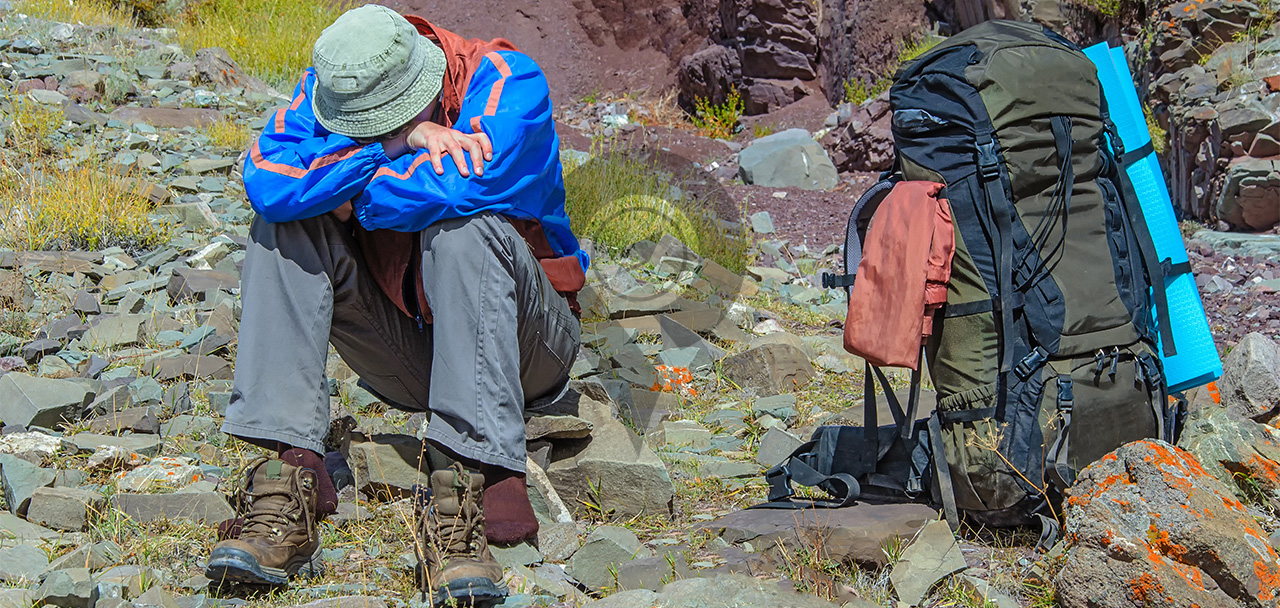
    You can get altitude sickness if you travel to a high altitude too quickly.

    Breathing becomes difficult because you’re not able to take in as much oxygen.

    Altitude sickness, also called acute mountain sickness (AMS), can become a medical emergency if ignored.

    Your age, sex or physical fitness do not affect your likelihood of getting altitude sickness.

    Also, just because you may not have had it before, this does not mean you will not get it on another trip.

    Symptoms of altitude sickness

    Symptoms of altitude sickness usually develop between 6 and 24 hours after reaching altitudes more than 2,500m above sea level.

    Symptoms are similar to those of a bad hangover and include:

    • headache
    • feeling and being sick
    • dizziness
    • tiredness
    • loss of appetite
    • shortness of breath

    The symptoms are usually worse at night.

    Altitude sickness does not only affect mountain climbers. Tourists travelling to cities that are 2,500m above sea level or higher, such as La Paz in Bolivia or Bogotá in Colombia, can also get altitude sickness.

    It’s not possible to get altitude sickness in the UK because the highest mountain, Ben Nevis in Scotland, is only 1,345m.

    Preventing altitude sickness

    The best way to prevent getting altitude sickness is to travel to altitudes above 2,500m slowly.

    It usually takes a few days for your body to get used to a change in altitude.

    You should also:

    • avoid flying directly to areas of high altitude, if possible
    • take 2 to 3 days to get used to high altitudes before going above 2,500m
    • avoid climbing more than 300m to 500m a day
    • have a rest day every 600m to 900m you go up, or rest every 3 to 4 days
    • make sure you’re drinking enough water
    • avoid smoking and alcohol
    • avoid strenuous exercise for the first 24 hours
    • eat a light but high-calorie diet

    Medicines

    Consider travelling with these medicines for altitude sickness:

    • acetazolamide to prevent and treat high-altitude sickness
    • ibuprofen and paracetamol for headaches
    • anti-sickness medicine, such as promethazine, for nausea

    In the UK, acetazolamide is not licensed to treat altitude sickness. But it’s available from most travel clinics and some GPs may prescribe it.

    Promethazine is available from pharmacies. You do not need a prescription to buy it.

    Begin taking acetazolamide 1 to 2 days before you start to go up in altitude and continue to take it while going up.

    You should still go up gradually and follow the prevention advice, including taking time to acclimatise, having regular rest days and drinking plenty of water.

    If you get symptoms of altitude sickness while taking acetazolamide, rest or go down until you feel better before going up again.

    Treating altitude sickness

    If you think you have altitude sickness:

    • stop and rest where you are
    • do not go any higher for at least 24 to 48 hours
    • if you have a headache, take ibuprofen or paracetamol
    • if you feel sick, take an anti-sickness medicine, such as promethazine
    • make sure you’re drinking enough water
    • do not smoke, drink alcohol, or exercise

    Acetazolamide can be used to reduce the severity of your symptoms, but it will not completely get rid of them.

    Tell your travel companions how you feel, even if your symptoms are mild – there’s a danger your judgement may not be clear.

    You can continue going up with care once you feel you have fully recovered.

    If you do not feel any better after 24 hours, go down by at least 500m (about 1,600 feet).

    Do not attempt to climb again until your symptoms have completely disappeared.

    After 2 to 3 days, your body should have adjusted to the altitude and your symptoms should disappear.

    See a doctor if your symptoms do not improve or get worse.

    Complications

    If the symptoms of altitude sickness are ignored, they can lead to life-threatening conditions affecting the brain or lungs.

    High altitude cerebral oedema (HACE)

    High altitude cerebral oedema (HACE) is swelling of the brain caused by a lack of oxygen.

    Symptoms of HACE include:

    • headache
    • weakness
    • feeling and being sick
    • loss of coordination
    • feeling confused
    • hallucinations (seeing and hearing things that are not there)

    A person with HACE will often not realise they’re ill. They may insist they’re OK and want to be left alone.

    HACE can develop quickly over a few hours. It can be fatal if it’s not treated immediately.

    Treating HACE:

    • move down to a lower altitude immediately
    • take dexamethasone
    • give bottled oxygen, if available

    Dexamethasone is a steroid medicine that reduces swelling of the brain. It’s often carried by professional mountain climbers as part of their medical supplies.

    If you cannot go down immediately, dexamethasone can help relieve symptoms until it’s safe to do so.

    You should go to hospital as soon as possible for follow-up treatment.

    High altitude pulmonary oedema (HAPE)

    High altitude pulmonary oedema (HAPE) is a build-up of fluid in the lungs.

    Symptoms of HAPE:

    • blue tinge to the skin or lips (cyanosis)
    • breathing difficulties, even when resting
    • tightness in the chest
    • a persistent cough, bringing up pink or white frothy liquid (sputum)
    • tiredness and weakness

    The symptoms of HAPE can start to appear a few days after arrival at high altitude. It can be fatal if it’s not treated immediately.

    Treating HAPE:

    • move down to a lower altitude immediately
    • take nifedipine
    • give bottled oxygen, if available

    Nifedipine is a medicine that helps to reduce chest tightness and make breathing easier. It’s also often part of an expedition’s medical supplies

    You should go to hospital as soon as possible for follow-up treatment.

    If you’ve had HAPE, you can register with the International HAPE Database to help develop new treatments for the condition.
  • Antimalarials

    Antimalarials

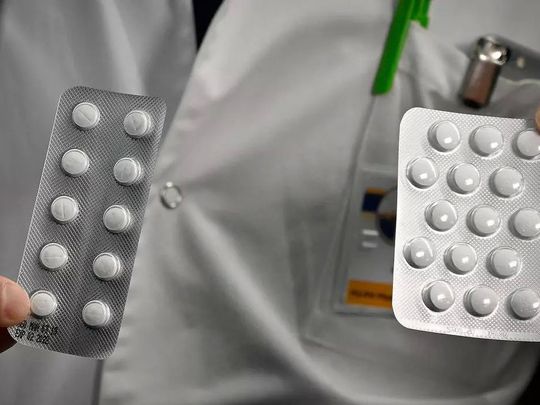
    Antimalarial medication is used to prevent and treat malaria.

    You should always consider taking antimalarial medicine when travelling to areas where there’s a risk of malaria. Visit your GP or local travel clinic for malaria advice as soon as you know when and where you’re going to be travelling.

    It’s very important to take the correct dose and finish the course of antimalarial treatment. If you’re unsure, ask your GP or pharmacist how long you should take your medication for.

    Preventing malaria

    It’s usually recommended you take antimalarial tablets if you’re visiting an area where there’s a malaria risk as they can reduce your risk of malaria by about 90%.

    The type of antimalarial tablets you will be prescribed is based on the following information:

    • where you’re going
    • any relevant family medical history
    • your medical history, including any allergies to medication
    • any medication you’re currently taking
    • any problems you’ve had with antimalarial medicines in the past
    • your age
    • whether you’re pregnant

    You may need to take a short trial course of antimalarial tablets before travelling. This is to check that you don’t have an adverse reaction or side effects. If you do, alternative antimalarials can be prescribed before you leave.

    Types of antimalarial medication

    The main types of antimalarials used to prevent malaria are described below.

    Atovaquone plus proguanil

    • Dosage – the adult dose is 1 adult-strength tablet a day. Child dosage is also once a day, but the amount depends on the child’s weight. It should be started 1 or 2 days before your trip and taken every day you’re in a risk area, and for 7 days after you return.
    • Recommendations – a lack of clear evidence means this antimalarial shouldn’t be taken by pregnant or breastfeeding women. It’s also not recommended for people with severe kidney problems.
    • Possible side effects – stomach upset, headaches, skin rash and mouth ulcers.
    • Other factors – it can be more expensive than other antimalarials, so may be more suitable for short trips.

    Doxycycline (also known as Vibramycin-D)

    • Dosage – the dose is 100mg daily as a tablet or capsule. You should start the tablets 2 days before you travel and take them each day you’re in a risk area, and for 4 weeks after you return.
    • Recommendations – not normally recommended for pregnant or breastfeeding women, but your GP will advise. Not recommended for children under the age of 12 (because of the risk of permanent tooth discolouration), people who are sensitive to tetracycline antibiotics, or people with liver problems.
    • Possible side effects – stomach upset, heartburn, thrush, and sunburn as a result of light sensitivity. It should always be taken with food, preferably when standing or sitting.
    • Other factors – it is relatively cheap. If you take doxycycline for acne, it will also provide protection against malaria as long as you’re taking an adequate dose. Ask your GP.

    Mefloquine (also known as Lariam)

    • Dosage – the adult dose is 1 tablet weekly. Child dosage is also once a week, but the amount will depend on their weight. It should be started 3 weeks before you travel and taken all the time you’re in a risk area, and for 4 weeks after you get back.
    • Recommendations – it’s not recommended if you have epilepsy, seizures, depression or other mental health problems, or if a close relative has any of these conditions. It’s not usually recommended for people with severe heart or liver problems.
    • Possible side effects – dizziness, headache, sleep disturbances (insomnia and vivid dreams) and psychiatric reactions (anxiety, depression, panic attacks and hallucinations). It’s very important to tell your doctor about any previous mental health problems, including mild depression. Don’t take this medication if you have a seizure disorder.
    • Other factors – if you haven’t taken mefloquine before, it’s recommended you do a 3-week trial before you travel to see whether you develop any side effects.

    Chloroquine and proguanil

    A combination of antimalarial medications called chloroquine and proguanil is also available, although these are rarely recommended nowadays because they’re largely ineffective against the most common and dangerous type of malaria parasite, Plasmodium falciparum.

    However, chloroquine and proguanil may occasionally be recommended for certain destinations where the Plasmodium falciparum parasite is less common than other types, such as India and Sri Lanka.

    Treating malaria

    If malaria is diagnosed and treated promptly, a full recovery can be expected. Treatment should be started as soon as a blood test confirms malaria.

    Many of the same antimalarial medicines used to prevent malaria can also be used to treat the disease. However, if you’ve taken an antimalarial to prevent malaria, you shouldn’t take the same one to treat it. This means it’s important to tell your doctor the name of the antimalarials you took.

    The type of antimalarial medicine and how long you need to take it will depend on:

    • the type of malaria you have
    • where you caught malaria
    • the severity of your symptoms
    • whether you took preventative antimalarial tablets
    • your age
    • whether you’re pregnant

    Your doctor may recommend using a combination of different antimalarials to overcome strains of malaria that have become resistant to single types of medication.

    Antimalarial medication is usually given as tablets or capsules. If someone is very ill, it will be given through a drip into a vein in the arm (intravenously) in hospital.

    Treatment for malaria can leave you feeling very tired and weak for several weeks.

    Emergency standby treatment

    In some cases, you may be prescribed emergency standby treatment for malaria before you travel. This is usually if there’s a risk of you becoming infected with malaria while travelling in a remote area with little or no access to medical care.

    Examples of emergency standby medications include:

    • atovaquone with proguanil
    • artemether with lumefantrine
    • quinine plus doxycycline
    • quinine plus clindamycin

    Your GP may decide to seek advice from a travel health specialist before prescribing standby emergency treatment.

    Read more about standby emergency treatment for malaria.

    Antimalarials in pregnancy

    If you’re pregnant, it’s advisable to avoid travelling to areas where there’s a risk of malaria.

    Pregnant women have an increased risk of developing severe malaria, and both the baby and mother could experience serious complications.

    It’s very important to take the right antimalarial medicine if you’re pregnant and unable to postpone or cancel your trip to an area where there’s a malaria risk.

    Some of the antimalarials used to prevent and treat malaria are unsuitable for pregnant women because they can cause side effects for both mother and baby.

    The list below outlines which medications are safe or unsafe to use while pregnant:

    • Mefloquine – not usually prescribed during the first trimester of pregnancy, or if pregnancy is a possibility during the first 3 months after preventative antimalarial medication is stopped. This is a precaution, even though there’s no evidence to suggest mefloquine is harmful to an unborn baby.
    • Doxycycline – never recommended for pregnant or breastfeeding women as it could harm the baby.
    • Atovaquone plus proguanil – not generally recommended during pregnancy or breastfeeding because research into the effects is limited. However, if the risk of malaria is high, they may be recommended if there’s no suitable alternative.

    Chloroquine combined with proguanil is suitable during pregnancy, but it is rarely used as it’s not very effective against the most common and dangerous type of malaria parasite.