
Category: Women’s Health

  • Bacterial Vaginosis

    Bacterial Vaginosis

    Bacterial vaginosis (BV) is a common cause of unusual vaginal discharge. BV is not a sexually transmitted infection (STI), but it can increase your risk of getting an STI such as chlamydia.

    Check if you have bacterial vaginosis

    The most common symptom of bacterial vaginosis is unusual vaginal discharge that has a strong fishy smell, particularly after sex.

    You may notice a change to the colour and consistency of your discharge, such as becoming greyish-white and thin and watery.

    But 50% of women with bacterial vaginosis do not have any symptoms.

    Bacterial vaginosis does not usually cause any soreness or itching.

    If you’re unsure it’s BV, check for other causes of unusual vaginal discharge.

    Non-urgent advice:

    See a GP or go to a sexual health clinic if you think you have BV

    The condition is not usually serious, but you’ll need to be treated with antibiotics if you do have BV.

    It’s also important to seek treatment if you’re pregnant as there’s a small chance that BV can cause complications with pregnancy.

    Information:

    Sexual health clinics can help with bacterial vaginosis

    Sexual health clinics treat problems with the genitals and urinary system.

    Many sexual health clinics offer a walk-in service, where you do not need an appointment.

    They’ll often get test results quicker than GP practices.

    What happens at your appointment

    Your GP or sexual health clinic will want to confirm it’s BV and rule out an STI.

    You’ll be asked about your symptoms, and a doctor or nurse may look at your vagina.

    A cotton bud may be wiped over the discharge inside your vagina to test for BV and other infections.

    Treatment for bacterial vaginosis

    Bacterial vaginosis is usually treated with antibiotic tablets or gels or creams.

    These are prescribed by a GP or sexual health clinic.

    If you have a same-sex partner, they may also need treatment.

    Recurring bacterial vaginosis

    It’s common for BV to come back, usually within 3 months.

    You’ll need to take treatment for longer (up to 6 months) if you keep getting BV (you get it more than twice in 6 months).

    A GP or sexual health clinic will recommend how long you need to treat it.

    They can also help identify if something is triggering your BV, such as sex or your period.

    Things you can do yourself

    To help relieve symptoms and prevent bacterial vaginosis returning:

    Do

    • use water and plain soap to wash your genital area
    • have showers instead of baths

    Don’t

    • do not use perfumed soaps, bubble bath, shampoo or shower gel in the bath
    • do not use vaginal deodorants, washes or douches
    • do not put antiseptic liquids in the bath
    • do not use strong detergents to wash your underwear
    • do not smoke

    What causes bacterial vaginosis

    Bacterial vaginosis is caused by a change in the natural balance of bacteria in your vagina.

    What causes this to happen is not fully known, but you’re more likely to get it if:

    • you’re sexually active (but women who have not had sex can also get BV)
    • you have had a change of partner
    • you have an IUD (contraception device)
    • you use perfumed products in or around your vagina

    BV is not an STI, even though it can be triggered by sex.

    A woman can pass it to another woman during sex.

    You’re more likely to get an STI if you have BV. This may be because BV makes your vagina less acidic and reduces your natural defences against infection.

    Bacterial vaginosis in pregnancy

    If you develop bacterial vaginosis in pregnancy, there’s a small chance of complications, such as premature birth or miscarriage.

    But BV causes no problems in the majority of pregnancies.

    Speak to a GP or your midwife if you’re pregnant and your vaginal discharge changes.

    We are always here to help at warwick pharmacy.
  • Pregnancy

    Pregnancy

    A Guide to Pregnancy

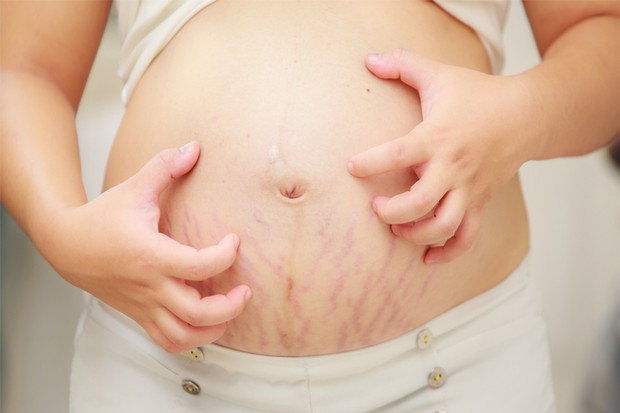
    During pregnancy it’s completely normal to have many questions and concerns. Your local pharmacy is a great place to go for support during your pregnancy (and beyond), they’ll help you you make the right choices when it comes to looking after your and your baby’s health.

    This is a very important stage on your life and it is normal to ask yourself a lot of questions and have many concerns. Do not worry, A pharmacist can support your way during pregnancy and beyond, making sure you make the right choices and helps you looking after your health and your baby.

    Healthy eating

    A healthy diet is a vital part of a healthy lifestyle at any time, but is especially important if you’re pregnant or planning a pregnancy. Eating healthily during pregnancy will help your baby to develop and grow.

    You don’t need to go on a special diet, but it’s important to eat a variety of different foods every day to get the right balance of nutrients that you and your baby need.

    It’s always best to get vitamins and minerals from the foods you eat, but when you’re pregnant you need to take a folic acid supplement as well during the first few months, to make sure you get everything you and your baby may need.

    There are also certain foods that should be avoided in pregnancy.

    You will probably find that you are hungrier than usual, but you don’t need to “eat for two” – even if you are expecting twins or triplets. This is one of the most common myths of pregnancy.

    EXERCISE IN PREGNANCY

    The more active and fit you are during pregnancy, the easier it will be for you to adapt to your changing shape and weight gain. It will also help you with labour and get back into shape after the birth of your baby.

    Keep up your normal daily physical activity or exercise (sport, running, yoga, dancing, or even walking to the shops and back) for as long as you feel comfortable.

    Exercise is not dangerous for your baby but there are certain exercises that should be avoided, so it is always worth to check with your Doctor or pharmacist.

    Postnatal depression

    Postnatal depression is a type of depression that many parents experience after having a baby.  t’s a common problem, affecting more than 1 in every 10 women within a year of giving birth. It can also affect fathers and partners, although this is less common.

    It’s important to seek help as soon as possible if you think you might be depressed, as your symptoms could last months or get worse and have a significant impact on you, your baby and your family.

    It is difficult to understand if you are depressed as many women feel a bit down, tearful or anxious in the first week after giving birth. This is often called the “baby blues” and is so common that it’s considered normal as you need to adjust to your new situation and sometimes it can be challenging. The “baby blues” don’t last for more than two weeks after giving birth.

    If your symptoms last longer or start later, you could have postnatal depressionPostnatal depression can start any time in the first year after giving birth.

    How can we help you?

    Request a one to one consultation with one of our pharmacist who can answer your questions and give you advice about.

    • Healthy eating in pregnancy
    • Exercise in pregnancy
    • Medicines in pregnancy. What can you take to ease your symptoms and which medicines you need to avoid.
    • Post-natal depression